Wels catfish
Silurus glanis
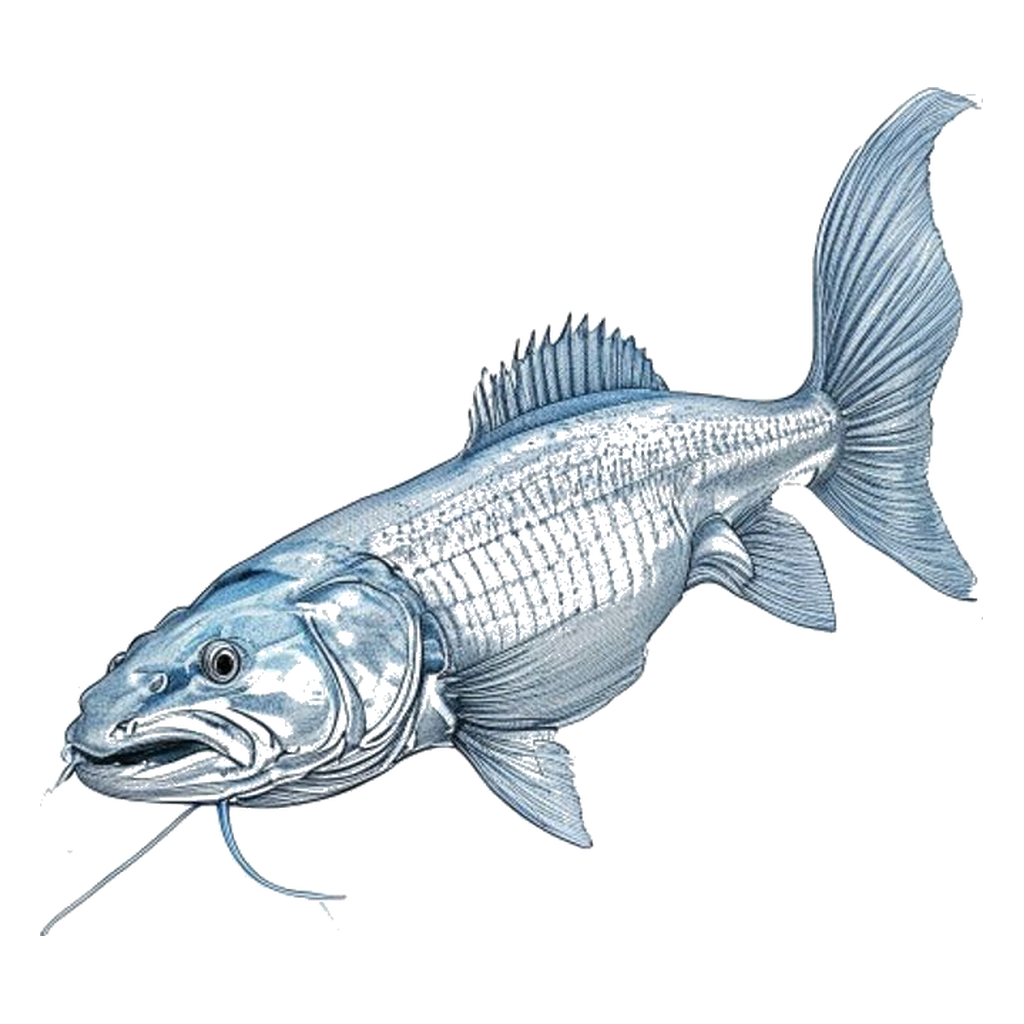
The wels catfish, also called sheatfish or just wels, is a large species of catfish native to wide areas of central, southern, and eastern Europe, in the basins of the Baltic, Black and Caspian Seas. It has been introduced to several countries in Western Europe, Mediterranean and Asia as a prized sport fish.
Wels catfish are generally valued as food only when younger. The flesh is highly fatty, and big specimens over 15 kg can build up toxic contaminants through bioaccumulation, so smaller fish are the ones worth eating.
Wels catfish live across central, southern, and eastern Europe in the basins of the Baltic, Black, and Caspian seas, with a range now stretching from the UK east to western China. They favor large, warm lakes and deep, slow rivers, holding up in sheltered spots like riverbed holes and sunken trees.
Also known as
- sheatfish
- wels
Wels catfish in foreign languages
| Scientific | Silurus glanis |
| Hebrew | שפמנון אירופי |
| Arabic | قرموط ويلس |
| Spanish | Siluro |
| Portuguese | Peixe-gato-europeu |
| French | silure glane |
| Italian | siluro d'Europa |
| German | Europäischer Wels |
| Greek | Γουλιανός |
| Russian | Обыкновенный сом |
| Turkish | Bayağı yayın balığı |
| Chinese | 歐鯰 |
| Japanese | ヨーロッパオオナマズ |
| Korean | 유럽메기 |
| Vietnamese | Cá nheo châu Âu |
| Thai | ปลาเวลส์ |
Gallery
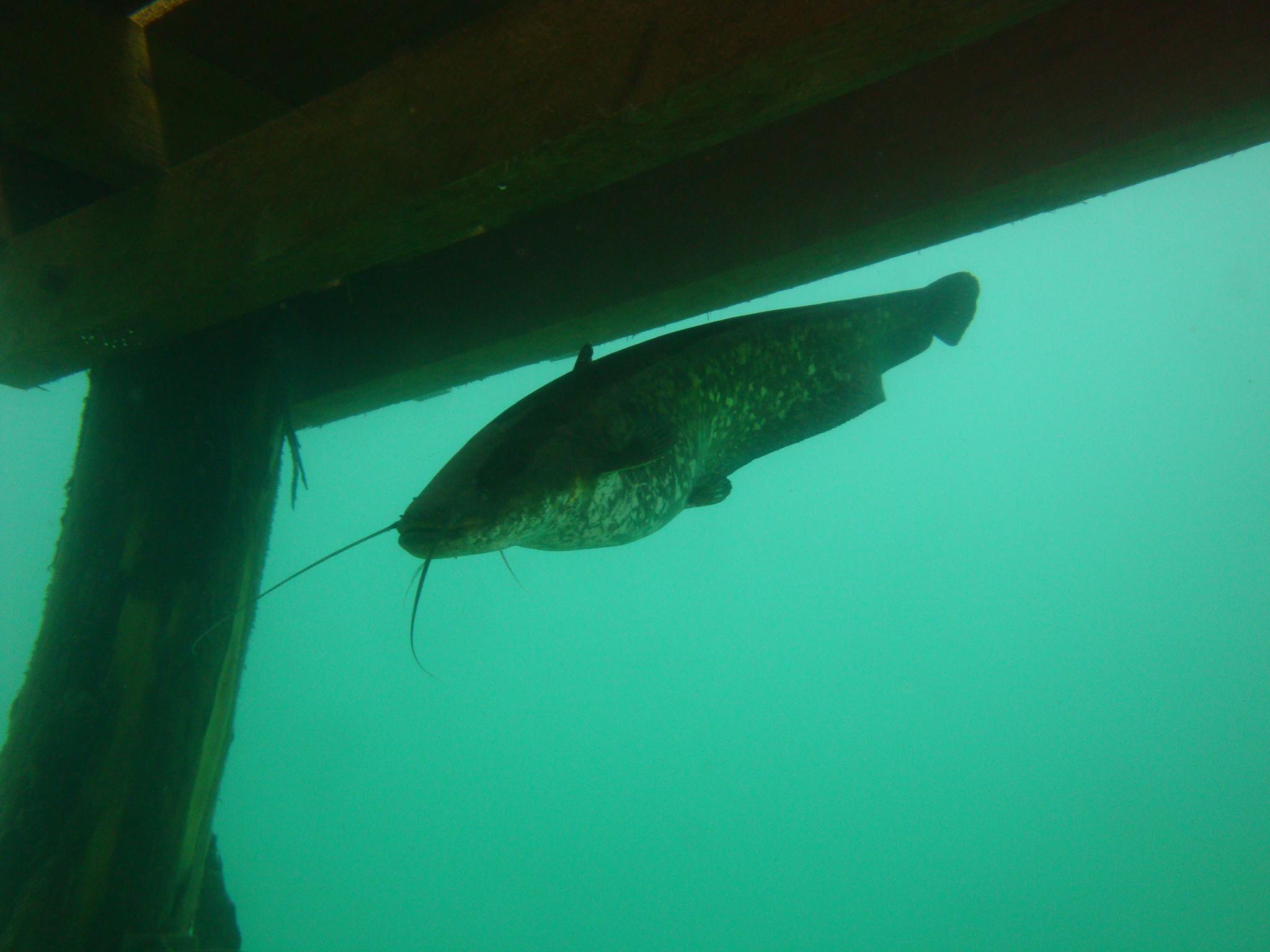


- Has fins but no scales, so it is not kosher.
- Large wels over about 15 kg can carry toxic contaminants built up through bioaccumulation, so older fish are best avoided as food.