
Is wine kosher? Not automatically, and that catches a lot of people off guard. The grapes themselves need nothing special. Jewish dietary law treats wine differently from almost any other food, because of how it was used in ancient idol worship. That old religious concern still decides which bottles carry a hechsher today. Kosher wine only exists when the entire process, from grape to glass, happens under specific rules. A normal harvest and a normal winery do not clear that bar on their own. Here is what actually makes wine kosher, what mevushal means for who can pour it, and how the same rule reaches your grape juice and your Shabbat Kiddush cup. If a fish course is also on the table, the full kosher fish list settles that half of the menu.
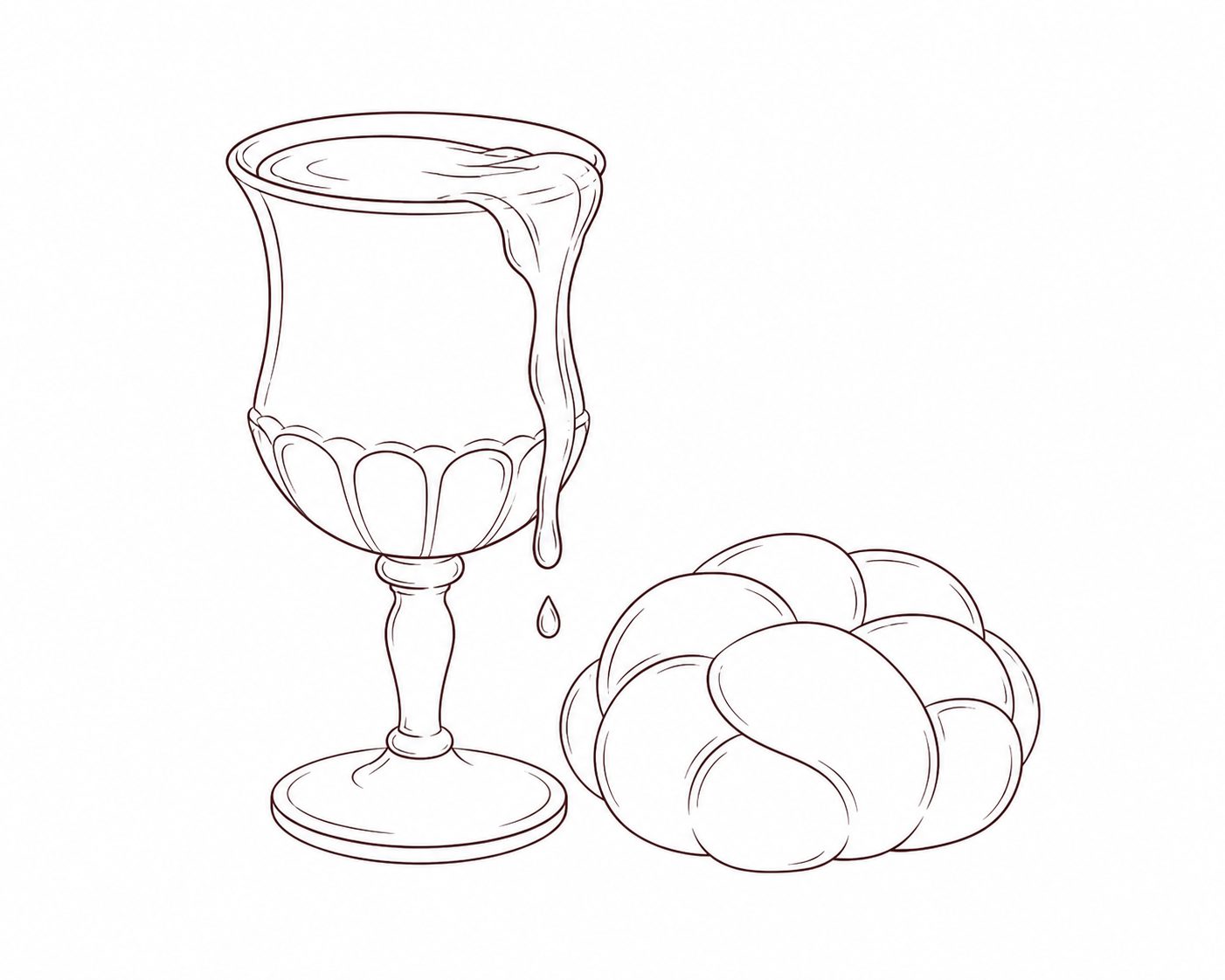
Why Kosher Wine Has Its Own Rule
Wine needs a kosher certification because of a rule called stam yeynam. The grapes themselves are not the problem. In the ancient world, wine was the standard offering poured out to idols. The Torah forbids benefiting from that kind of libation, a concern that shows up in Deuteronomy 32:38, which describes idol worshippers who “drank the wine of their libations.” The rabbis in the Talmud, tractate Avodah Zarah, went further. They restricted any wine merely touched by someone who does not observe Shabbat, whether or not idol worship was actually involved that day. The real concern was not the wine itself. It was the social mixing that wine-drinking feasts encouraged, and the rabbis worried it could lead to intermarriage. That extended rule, the Hebrew term stam yeynam, is codified in the Shulchan Aruch, Yoreh De’ah 123 to 124. It is still the Jewish law behind every kosher wine label you see now. That religious history is also why “is wine kosher” does not have a one-word answer the way a fish species question often does under the fins-and-scales rule. What makes wine kosher is how the bottle was handled during production, not just what is in it, and that is a different test than the one that applies to almost any other food or drink.
Mevushal vs. Non-Mevushal: What Actually Changes
Mevushal is the Hebrew term for “cooked.” It describes wine that has been boiled or flash-heated, and once it has, the stam yeynam restriction no longer applies. The Orthodox Union requires mevushal wine under its certification to reach a minimum temperature of 175°F, about 80°C. That is the standard set by Rav Moshe Feinstein, one of the most cited halachic authorities of the 20th century. Cooking the wine to that temperature made it unfit for the kind of ceremonial use the ancient rule worried about. So the rabbis never restricted who could handle it once pasteurization crossed that line. This one production step is the single biggest factor in whether a kosher wine works for a mixed setting, more than the grape variety or the country of origin.
Non-mevushal wine is stricter from start to finish. Star-K’s kosher wine guidance says the grapes can only be handled by Sabbath-observant Jews from the moment they are crushed, through fermenting, aging, and bottling. Even opening or resealing a bottle later needs the same supervision. A non-mevushal bottle that a non-Jew touches or pours loses its kosher status right there, even after it is sealed and certified, and it is treated as non-kosher from that point on. That is exactly why mevushal wine is the default choice at most catered events, weddings, and restaurants. It is the only kind a non-Jewish or non-observant server can pour without a problem. Many of the finer, small-batch kosher wines skip the mevushal step on purpose, since boiling flattens a wine’s flavor and dulls the quality most wine drinkers are after. Higher-end wines are more often non-mevushal for that reason, and they need more careful handling to stay kosher through the meal.
The Kosher Wine Production Process
Kosher wine production follows the same basic process any winery uses: crushing, fermenting, aging, and bottling. The difference is that every step has to satisfy Jewish dietary laws, not just food-safety standards. From the moment the grapes are crushed, the equipment, the yeast, and the hands that touch the wine all have to meet kashrut requirements. A mashgiach, a kosher supervisor, is present at the sensitive stages of production to confirm nothing outside those standards enters the process. Wineries that produce both kosher and non-kosher wine keep the two production lines and the equipment fully separate. Even trace contact during processing can turn an otherwise kosher batch non-kosher.
Modern kosher wine producers also have to watch fining agents, the substances used to clarify a wine before bottling. Gelatin, egg whites, and isinglass are common clarifying agents across the wider wine market. In a kosher wine, only kosher-derived versions are allowed, which is one more reason a bottle can look identical to a non-kosher one on the shelf and still not qualify. Some kosher wineries produce only kosher wine start to finish. That simplifies the supervision considerably, and it is increasingly common as demand for quality kosher wine has grown.
Grape Juice Follows the Same Rule
Grape juice is not a loophole. Chabad.org notes that Jewish law places wine, grape juice, and any product made from grapes, including jam and wine vinegar, in the same category. The same certification and handling rules apply. A bottle of grape juice without a hechsher is not automatically kosher just because it never fermented. This matters most around Kiddush, the blessing recited over wine or grape juice that helps sanctify Shabbat and the holidays. Plenty of households pour grape juice instead of wine, especially for kids or anyone who does not drink alcohol. The cup still needs a reliable kosher certification behind it, same as the wine bottle would, before the blessing is recited over it.
Kosher for Passover Wine Needs a Separate Check
A wine’s regular hechsher does not automatically cover Passover. Kosher for Passover adds its own layer on top of the wine and grape juice rules above. The fining agents, flavorings, and processing aids used during the winemaking process can raise a chametz or kitniyot question the rest of the year’s certification never checked. The OU and Star-K both publish Passover wine lists every year. A bottle needs the current year’s Passover mark, not last year’s, since ingredients and suppliers can change between vintages. The four cups at the Seder are traditionally wine or grape juice, so this is one holiday where the question matters more than usual.
Where Kosher Wine Comes From Today
Kosher wine used to mean one thing worldwide: sweet, syrupy, and made mostly for Kiddush rather than drinking with a meal. That changed starting in the 1980s, when Israel’s Golan Heights Winery began producing dry, internationally competitive kosher wines from cooler high-altitude vineyards. The quality bar moved fast from there. Today, certified kosher wine producers operate across the world, in Israel, California, France, Chile, Italy, and beyond. They make everything from bargain Kiddush bottles to serious cabernets, in a market that looks nothing like it did a generation ago. Most wine regions with a sizable Jewish community now have at least one modern kosher producer. Sweet wine is still common and still has its place at the table, but it is no longer the only style available. Different kosher wines now compete on flavor and quality with their non-kosher counterparts, rather than being judged on a curve. The certification rules are identical no matter where the bottle is made. A French Bordeaux and an Israeli Galilee red both need the same hechsher and the same mevushal answer. Geography changes the wine, not the Jewish law behind it.
Is Wine Kosher at a Wedding or Restaurant?
This is where the mevushal rule matters most in real life. A caterer, a hotel banquet staff, or a restaurant server is often not a Sabbath-observant Jew. If the wine on the table is non-mevushal, having them open, pour, or even carry an open bottle can make it stop being kosher, no matter what the label says. That is why nearly every kosher-catered wedding, bar mitzvah, and restaurant with mixed staff pours mevushal wine by default. Hosts who want to serve a non-mevushal bottle for its flavor need to plan ahead. A Sabbath-observant Jew, a family member, or the mashgiach on site has to be the only one who opens and pours it, since that role cannot go to hired staff. Ask the caterer directly which policy they follow before you finalize a menu. “We use kosher wine” and “we use mevushal wine” are not always the same promise.
| Wine or Grape Product | Kosher Status | Why |
|---|---|---|
| Mevushal wine with a hechsher | ✅ Yes | Boiled to the OU’s 175°F standard, so anyone can handle or pour it after certification |
| Non-mevushal wine, handled only by Sabbath-observant Jews start to finish | ✅ Yes | Meets the stam yeynam rule from crush to bottle (Star-K) |
| Non-mevushal wine touched or poured by a non-Jew | ❌ No | Becomes stam yeynam the moment it is touched, even if the original bottle was certified |
| Grape juice from a certified producer | ✅ Yes | Falls under the same wine-category rule as wine itself (Yoreh De’ah 123) |
| Kosher for Passover wine | ⚠️ Check the current mark | Needs its own Passover certification for chametz and kitniyot, not just a regular hechsher |
| Wine with no hechsher at all | ❌ Unconfirmed | No agency has verified the handling, ingredients, or mevushal status |
How to Check a Bottle Before You Pour It
Look for two things on the label: a hechsher from a recognized agency, and whether it says mevushal if guests who are not observant will be pouring. The OU, OK, Star-K, Kof-K, and cRc all certify wine, the same agencies behind most kosher food certification generally. Our kosher symbols guide breaks down what each mark looks like. Widely known kosher-certified labels like Kedem, Manischewitz, Bartenura, Herzog, and Israel’s Golan Heights Winery are easy starting points. Check the current bottle rather than assume a brand is always covered, since a producer can make both certified and uncertified products. Treat an unmarked bottle as unconfirmed rather than guessing that wine is kosher by default, even a wine made from grapes that look and taste identical to a certified bottle.
Check Any Fish with KosherFish
Wine is one half of a lot of kosher tables, and fish is often the other, whether it is a Shabbat dinner or a holiday meal. Once your Kiddush cup is settled, look up the fish you are serving the same way. KosherFish covers 291 species with a fins-and-scales verdict for each one, right on the homepage lookup tool. Browse the full kosher fish list, or check any fish right at the counter with the KosherFish app on iOS or Android. Two questions, one trip to the store.
Frequently Asked Questions
Is all wine kosher?
No. Most wine is not kosher unless it is produced under supervision or has been made mevushal. A rabbinic rule called stam yeynam restricts wine handled by anyone who does not observe Shabbat, and ordinary grapes from a normal winery do not clear that bar alone. Check the label for a recognized hechsher before you pour.
Is wine kosher without a hechsher on the label?
Treat it as unconfirmed. Without a recognized certification symbol, there is no way to verify that Sabbath-observant Jews handled the wine or that it was made mevushal, and no way to confirm the fining agents or additives used. A missing hechsher is not proof the wine is non-kosher, but it is not proof it is kosher either. A reliable agency’s mark settles the question.
What does mevushal mean?
Mevushal is the Hebrew term for wine that has been boiled or flash-heated, to at least 175°F under the Orthodox Union’s standard. Once wine reaches that temperature, the stam yeynam rule no longer applies. Anyone can handle or pour it after that, observant or not, without the wine losing its kosher status.
Can a non-Jewish caterer or server pour kosher wine at a wedding?
Only if the wine is mevushal. Non-mevushal wine loses its kosher status the moment someone who does not observe Shabbat touches or pours it, even from an already-certified bottle. Mevushal wine is the standard choice at catered events and restaurants with non-Jewish staff for exactly this reason.
Is grape juice kosher the same way wine is?
Yes. Jewish law places grape juice, wine, and other grape products like jam and wine vinegar in the same category, so grape juice needs the same certification and handling wine does. A juice without a hechsher is not automatically kosher just because it never fermented.
Does kosher wine need a separate Kosher for Passover certification?
Yes. A wine’s year-round hechsher does not cover Passover on its own, since the winemaking process can use fining agents or additives that raise a chametz or kitniyot question. Look for the current year’s Passover mark from the OU, Star-K, or another recognized agency, not last year’s bottle.
Why does wine need a hechsher if the grapes themselves are kosher?
The grapes are not the issue, the handling during production is. Stam yeynam, a rule rooted in wine’s religious history in ancient idol worship, restricts wine touched by anyone who does not observe Shabbat unless it has been made mevushal. A hechsher confirms that chain of custody, not just the ingredients.
The Bottom Line
So, is wine kosher? Only when it is mevushal, or handled only by Sabbath-observant Jews from the crush to the cork, and it carries a hechsher from a recognized agency. For Passover, it needs that year’s Passover mark too. Grape juice follows the identical rule. None of that is obvious from the label alone unless you know what to look for. Check the hechsher and the mevushal marking before you pour, whether it is headed for a Shabbat table or a holiday one. For the rest of your kosher table, see what each hechsher symbol means, check any fish with the homepage lookup tool or the full kosher fish list, and read more on kosher fish for the holidays. Keep the answer with you at the store with the KosherFish app on iOS or Android. For anything genuinely in doubt about a specific bottle, a reliable hechsher or your own rabbi has the final word.