
Kosher for Passover means chametz-free. For eight days (seven in Israel), you cannot eat, cook with, or even own any leavened product made from wheat, barley, rye, oats, or spelt. That’s on top of every kosher rule you follow the rest of the year, and it holds whether you call the holiday Passover or by its Hebrew name, Pesach. It’s why a cereal box, a bag of pasta, or even a bottle of vinegar with a hechsher in March can be off the table at the Seder. Once you know the rule, the label makes sense. Here is what “kosher for Passover” actually covers, which items need extra help from a Pesach-specific hechsher, and where fish and other everyday foods land, plus how to check any fish in seconds if seafood is on your Passover menu.
The Torah Rule Behind Passover Kashrut
Passover kashrut comes straight from the Torah, not from a later custom. Exodus 12:15 commands that “seven days you shall eat unleavened bread,” and warns that anyone who eats leavened bread during that week “shall be cut off from Israel.” Exodus 13:7 goes further and bans even owning it: “no leavened bread shall be seen with you, and no leaven shall be seen with you in all your territory.” Deuteronomy 16:3 repeats the unleavened-bread requirement for the Passover meal itself.
Two separate prohibitions come out of these verses. You cannot eat chametz, and you cannot possess it. That second rule is why observant households do a full chametz search and cleaning before the holiday. Some also sell whatever chametz they cannot get rid of to a non-Jewish buyer through their rabbi, a transaction known as mechirat chametz.
The Five Grains That Can Become Chametz
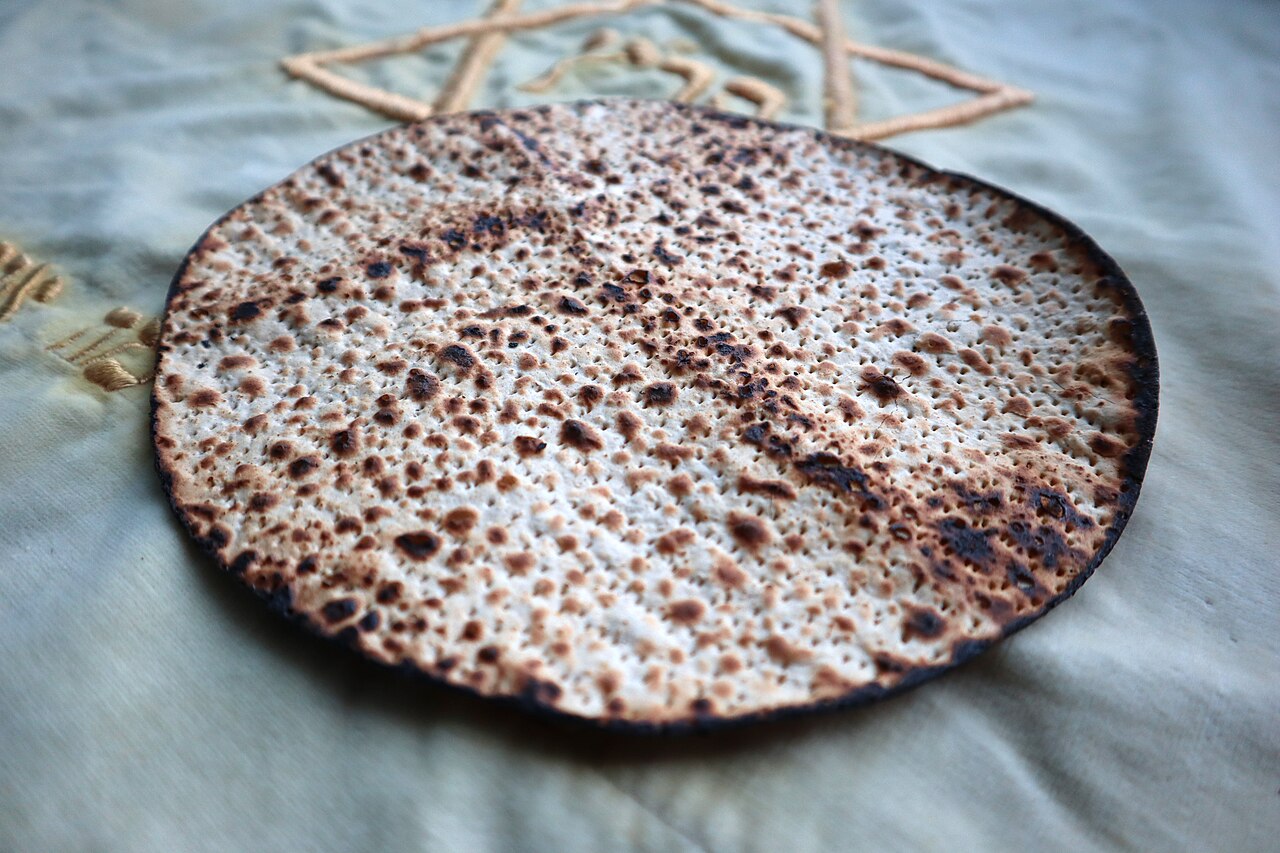
Chametz only comes from five grains: wheat, barley, rye, oats, and spelt. When flour from any of these five sits in contact with water too long without constant kneading, it starts to ferment and rise, and it becomes chametz. That is also why matzah exists in the first place. The Orthodox Union’s Passover guide notes that matzah baked under rabbinic supervision has to go from water contact to the oven in under 18 minutes, fast enough that the dough never has the chance to rise. Rice, corn, and other grains outside those five cannot become chametz under Jewish law no matter how they are processed. That’s exactly why the next rule surprises so many people.
Kitniyot: The Custom That Splits Ashkenazi and Sephardic Tables
Kitniyot are foods like rice, corn, beans, peas, and lentils. Ashkenazi Jews have avoided them on Pesach for centuries even though they are not chametz by Torah law and carry no Torah-level prohibition at all. Chabad.org, a widely used resource for this exact question, traces the custom to medieval Ashkenazi communities and a few practical worries. Kitniyot were often grown in the same fields as the five grains, ground into a flour that looked like chametz flour, or stored in the same market sacks, so a mix-up was easy to imagine.
Sephardi communities never adopted the restriction, and Sephardic Jews eat rice, beans, and corn on Passover as standard practice. The split is real, and it’s a custom (minhag), not a Torah prohibition. That’s why the Conservative movement’s Committee on Jewish Law and Standards ruled in 2015 that Ashkenazi Jews may eat kitniyot on Passover too, a position Orthodox authorities including the OU have not adopted. If you’re unsure which practice your household follows, ask your rabbi rather than guess.
Quinoa causes its own round of questions because it looks and cooks like a grain but isn’t one botanically, it’s a seed. The OU has ruled that quinoa is not kitniyot and is permitted on Pesach even under Ashkenazi custom, since it wasn’t among the foods the original custom restricted and doesn’t grow or process alongside the five grains. Buy quinoa with a reliable Passover hechsher anyway, since packaged quinoa can still be processed on equipment shared with wheat.
Why Everyday Kosher Foods Still Need a Passover Hechsher
A food that is kosher all year can still need a separate Passover certification, usually printed as “kosher for Passover” or an agency’s own Passover mark (the OU’s is OU-P). Star-K’s and the OU’s Passover guides give the same two reasons. First, ingredients. Corn syrup, citric acid, and some vinegars and flavorings are commonly derived from corn or grain, which raises a chametz or kitniyot question depending on your custom. Second, equipment. A factory that runs wheat-based products through the same lines the rest of the year can leave chametz residue behind, even in a product whose own ingredients are fine.
That’s why you’ll see a Passover-specific hechsher on things that seem obviously chametz-free, like soda, coffee, or spices. When a label carries a regular hechsher but no Passover mark, treat it as not certified for the holiday unless your own rabbi says otherwise.
Chocolate, Milk, Eggs, and Nuts: The Grocery List Questions
A few everyday items cause most of the confusion at the store. Chocolate is the biggest one. Kosher-for-Passover chocolate is its own seasonal category, because year-round chocolate often carries soy lecithin, corn syrup, or grain alcohol flavoring that can be chametz or kitniyot. Brands release separate Pesach batches with different emulsifiers, marked with a current-year Passover hechsher on the wrapper instead of the usual year-round mark, and the same goes for chocolate matzo and Pesach candy generally. If a chocolate wrapper doesn’t carry this year’s Passover mark, don’t assume last year’s purchase still applies.
Plain eggs need no special Passover certification at all, just the usual once-over for blood spots any week of the year. Plain milk from a kosher dairy is typically fine as is, though flavored milk with added syrups falls back into the ingredient check above. Raw nuts and seeds in the shell are usually safe, but packaged, roasted, or seasoned nuts can carry corn-derived oils or coatings, so check the bag for a Passover hechsher before you buy.
Passover Pantry Staples and the Gluten-Free Mix-Up
Passover pantry staples look different from the rest of the year. Matzo meal and matzo cake meal replace flour in most baking, potato starch replaces cornstarch for thickening, and dried fruit, nuts, and seeds are easy chametz-free snacks once each one carries its own Pesach hechsher. Read the label every time, since a staple’s ingredient list and country of origin can change between batches, and a product that was kosher for Passover last year isn’t guaranteed to be this year without checking again.
Gluten-free is not the same as kosher for Passover, and that mix-up trips people up every year. A gluten-free label means a product avoids wheat, barley, and rye gluten, but it says nothing about corn, soy, or other kitniyot, and a gluten-free plant can still run chametz-derived ingredients through shared equipment. Check for an actual Pesach hechsher on a gluten-free product rather than assuming the two labels overlap.
Cleaning and Koshering the Kitchen for Pesach
Keeping kosher for Passover isn’t only about what you buy. Most Jewish households do a real cleaning pass through the kitchen first, clearing cabinets, the pantry, and the refrigerator of chametz and putting away anything they won’t finish before the holiday. Cooking for Pesach itself usually means a separate set of dishes, pots, and utensils, since regular year-round cookware can hold chametz residue from cooking that happened days or months earlier.
Many households also cover surfaces before cooking on them for Pesach, lining countertops and stovetop grates with foil or heavy-duty plastic, covering oven racks the same way, and running the dishwasher through a hot empty cycle first, since these appliances are the ones most likely to hold chametz residue after a year of regular use. A microwave usually needs a covered plate and a full power cycle to kosher for Pesach, and some households set aside a separate microwave or toaster oven instead. Cookware itself can often be koshered through hagalah (boiling) or libun (direct heat), rabbinically supervised processes a local kosher authority can walk you through item by item under the Passover restrictions that apply to your equipment.
Kosher Fish and Meat During Passover
Fish has an easier path through Passover than grain products. It isn’t made from wheat, barley, rye, oats, or spelt, so it can’t become chametz on its own. A whole, fresh kosher fish, sold with its fins and removable scales intact so you can confirm the species yourself, generally doesn’t need Passover certification any more than it needs one the rest of the year.
The certification question comes back once fish is breaded, battered, canned, smoked, or packed with sauces and additives. Those are the same processing concerns that apply to any processed fish, now with an added Passover-specific ingredient list to check. Fish also stays pareve during Passover, neither meat nor dairy, though the custom some households keep against eating fish and meat at the same course still applies at the Seder table. Meat has its own, separate set of Passover rules around kashering equipment and sourcing that this guide doesn’t cover. Our full guide to kosher fish for Passover goes deeper on picking and preparing fish for the holiday.
| Food | Passover Status | Why |
|---|---|---|
| Wheat, barley, rye, oats, spelt (as bread, pasta, or baked goods) | ❌ Chametz | The five grains ferment and rise with water contact, which the Torah bans outright (Exodus 12:15) |
| Matzah | ✅ Yes | Baked from one of the five grains but rushed to the oven inside 18 minutes so it never rises |
| Rice, corn, beans, lentils (kitniyot) | ⚠️ Depends on custom | Not chametz by Torah law, but many Ashkenazi households avoid it by long-standing custom. Sephardic households generally eat it |
| Fresh, whole kosher fish | ✅ Generally yes | Not grain-based, and you can verify fins and scales yourself, so most authorities don’t require separate Passover certification |
| Breaded, canned, or processed fish | ⚠️ Needs a Passover hechsher | Additives, coatings, and shared equipment can introduce chametz or kitniyot, so check for OU-P or an equivalent mark |
Check Any Fish with KosherFish
If your Passover menu includes fish, you can confirm the species is kosher before you decide how to serve it. KosherFish covers 291 species with a verdict for each one, so you can look up a fish at the counter and see whether it has the fins and removable scales Jewish law requires. Search the homepage lookup tool, browse the full kosher fish list, or check on your phone at the market with the KosherFish app on iOS or Android. One less thing to double-guess while you’re prepping for the Seder.
Frequently Asked Questions
What makes food kosher for Passover?
Food is kosher for Passover when it contains no chametz, meaning no leavened product of wheat, barley, rye, oats, or spelt, and meets your household’s practice on kitniyot like rice, corn, and beans. Many everyday kosher foods also need a separate Passover certification (often marked OU-P) because of ingredients or shared equipment that could introduce chametz.
Is fish kosher for Passover?
Yes, fresh whole kosher fish is generally fine for Passover without a separate certification, since it isn’t made from grain and you can confirm the species by its fins and scales. Breaded, canned, or otherwise processed fish is different, since additives and shared equipment can bring in chametz or kitniyot, so look for a Passover hechsher on those.
What are the five grains that become chametz?
Wheat, barley, rye, oats, and spelt are the only five grains that can become chametz under Jewish law. When flour from any of them contacts water long enough to ferment and rise, it becomes chametz and is forbidden for the eight days of Passover, per Exodus 12:15.
Can Ashkenazi Jews eat kitniyot on Passover?
Traditionally, no. Ashkenazi custom has avoided kitniyot (rice, corn, beans, and similar foods) on Passover for centuries, even though it isn’t chametz by Torah law, while Sephardic Jews generally do eat it. The Conservative movement ruled in 2015 that Ashkenazi Jews may eat kitniyot too, though Orthodox authorities like the OU have not adopted that position, so ask your own rabbi which practice your household follows.
Why do kosher foods need a separate Passover certification?
A food can be kosher all year and still need Passover certification because of ingredients like corn syrup or citric acid that raise a chametz or kitniyot question, or because it’s made on equipment that also runs wheat-based products the rest of the year. The OU and Star-K both publish annual Passover guides that list which products need the extra mark.
Do you need to buy kosher-for-Passover matzah, or is any matzah fine?
Buy matzah with a Passover hechsher specifically, since ordinary matzah-style crackers sold year-round aren’t necessarily baked under the strict 18-minute rule that keeps the dough from rising. Shmurah matzah, watched from the time of harvest, is the standard many households use for the Seder itself.
The Bottom Line
Kosher for Passover means no chametz from the five grains, a household decision on kitniyot if you follow Ashkenazi custom, and a second look at everyday products for a Passover-specific hechsher. Fish is one of the easier categories, since a fresh whole fish with its fins and scales intact clears the bar without extra certification, while processed fish needs the same checking any processed food does. Confirm any fish on your menu with the homepage lookup tool or the full kosher fish list, read more on kosher fish for Passover and what OU certification means, and keep the answer with you at the store with the KosherFish app on iOS or Android. For anything genuinely in doubt, a reliable Passover hechsher or your own rabbi has the final word.