
Skip to content

Is Clam kosher?

No — Clam is not kosher under Jewish dietary law.

Not kosher. Clams are bivalve molluscs — shellfish, prohibited.

Clam (Bivalvia)

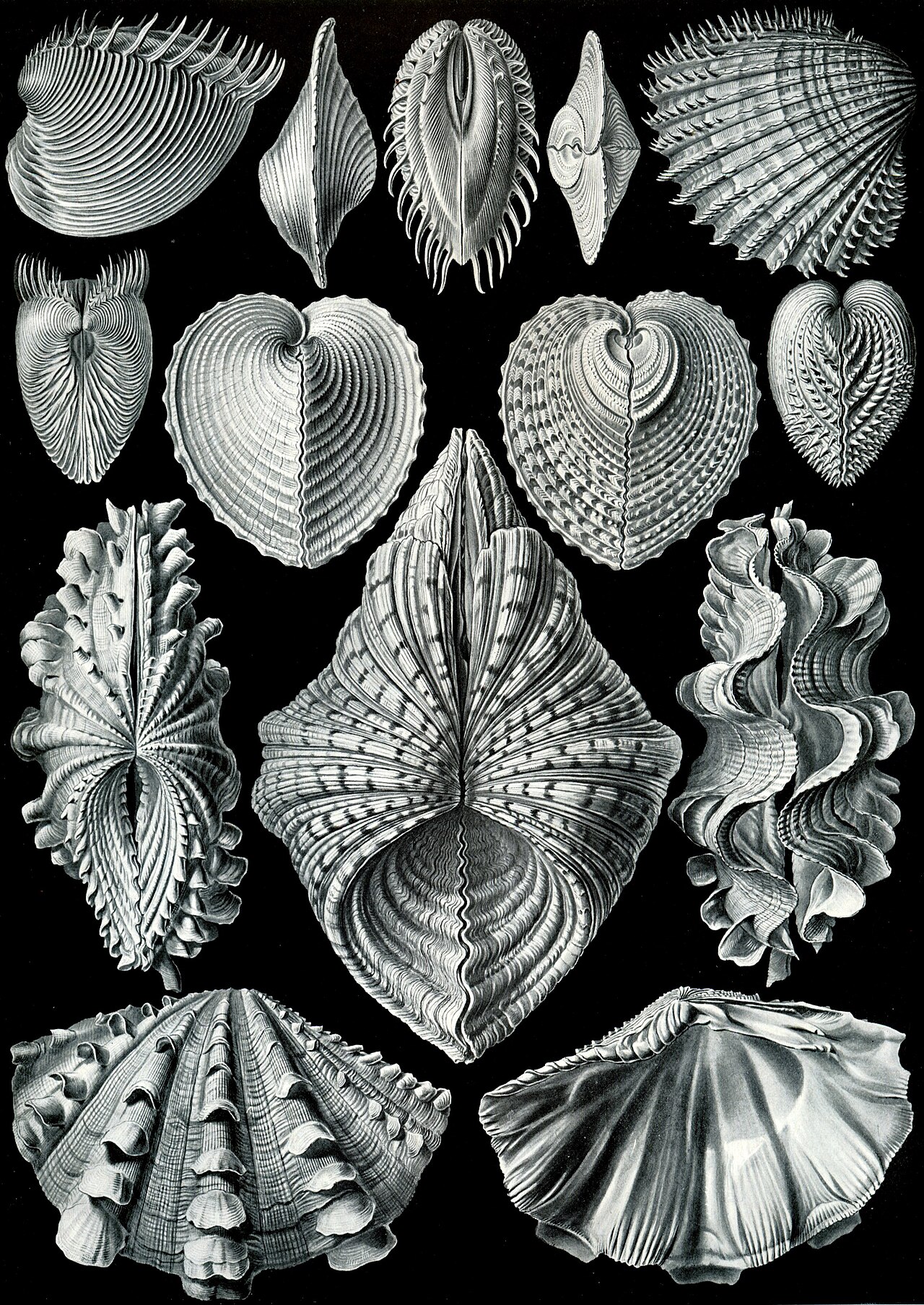
Image: Photo by Ernst Haeckel · licensed Public domain · source

Scientific name
Bivalvia
Hebrew name
צדפה
Also known as
Quahog, Littleneck, Cherrystone, Steamer, Razor clam, Geoduck
Category
shellfish
Fins & scales
No fins ✗ , no scales ✗
Kosher status
Not kosher

About Clam

Bivalve molluscs with two hinged shells, burrowing in sand or mud. Bivalvia () or bivalves, in previous centuries referred to as the Lamellibranchiata and Pelecypoda, is a class of aquatic molluscs (marine and freshwater) that have laterally compressed soft bodies enclosed by a calcified exoskeleton consisting of a hinged pair of half-shells known as valves. As a group, bivalves have no head and lack some typical molluscan organs such as the radula and the odontophore. Their gills have evolved into ctenidia, specialised organs for feeding and breathing. Common bivalves include clams, oysters, cockles, mussels, scallops, and numerous other families that live in saltwater, as well as a number of families that live in freshwater. Majority of the class are benthic filter feeders that bury themselves in sediment, where they are relatively safe from predation. Others lie on the sea floor or attach themselves to rocks or other hard surfaces. Some bivalves, such as scallops and file shells, can swim. Shipworms bore into wood, clay, or stone and live inside these substances. The shell of a bivalve is composed of calcium carbonate, and consists of two, usually similar, parts called valves. These valves are for feeding and for disposal of waste. These are joined together along one edge (the hinge line) by a flexible ligament that, usually in conjunction with interlocking "teeth" on each of the valves, forms the hinge. This arrangement allows the shell to be opened and closed without the two halves detaching. The shell is typically bilaterally symmetrical, with the hinge lying in the sagittal plane. Adult shell sizes of bivalves vary from fractions of a millimetre to over a metre in length, but the majority of species do not exceed 10 cm (4 in). Bivalves have long been a part of the diet of coastal and riparian human populations. Bivalvia () or bivalves, in previous centuries referred to as the Lamellibranchiata and Pelecypoda, is a class of aquatic molluscs (marine and freshwater) that have laterally compressed soft bodies enclosed by a calcified exoskeleton consisting of a hinged pair of half-shells known as valves. As a group, bivalves have no head and lack some typical molluscan organs such as the radula and the odontophore. Their gills have evolved into ctenidia, specialised organs for feeding and breathing. Common bivalves include clams, oysters, cockles, mussels, scallops, and numerous other families that live in saltwater, as well as a number of families that live in freshwater. Majority of the class are benthic filter feeders that bury themselves in sediment, where they are relatively safe from predation. Others lie on the sea floor or attach themselves to rocks or other hard surfaces. Some bivalves, such as scallops and file shells, can swim. Shipworms bore into wood, clay, or stone and live inside these substances. The shell of a bivalve is composed of calcium carbonate, and consists of two, usually similar, parts called valves. These valves are for feeding and for disposal of waste. These are joined...

Kosher ruling

Not kosher. Clams are bivalve molluscs — shellfish, prohibited.

Source: Orthodox Union, Chabad; Wikipedia (CC BY-SA 3.0); Wikipedia (CC BY-SA 3.0)

Look up another fish