Skip to content

Is Dab kosher?

Yes — Dab is kosher under Jewish dietary law.

Dab has fins and scales, which are the two requirements for kosher fish under Jewish dietary law (Leviticus 11:9-12).

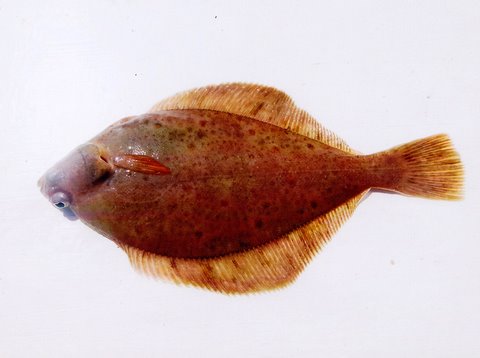
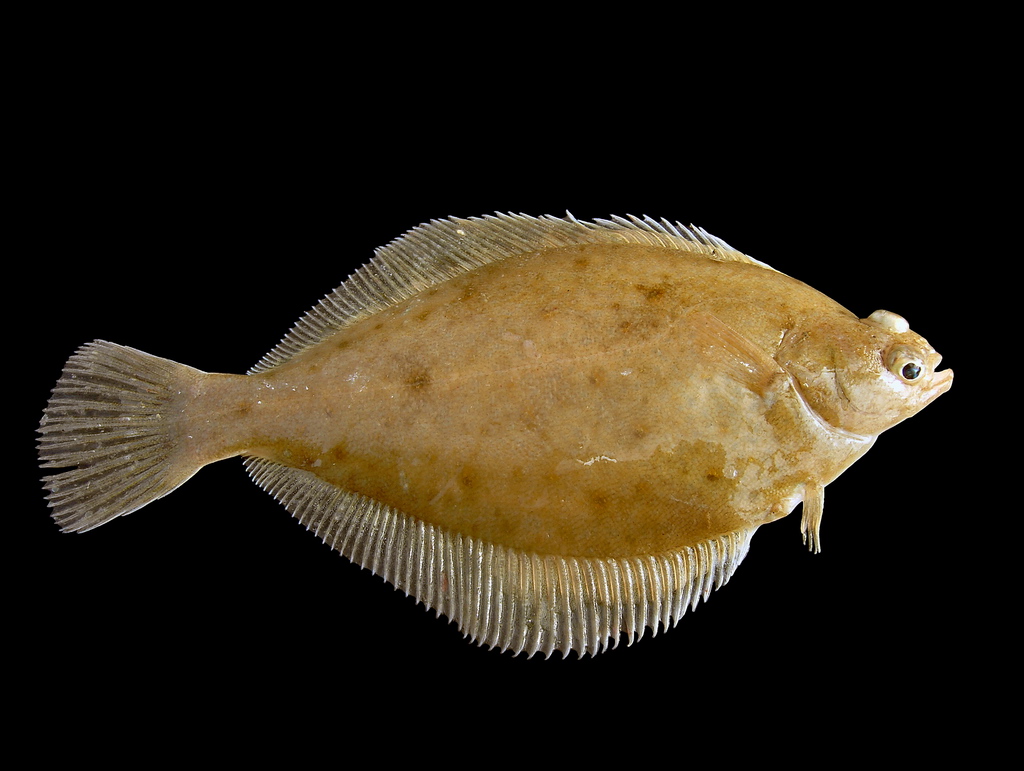
Dab (Limanda limanda)

Image: Photo by Hans Hillewaert · licensed CC BY-SA 4.0 · source

Scientific name
Limanda limanda
Also known as
Common Dab, Sand Dab
Habitat
Northeast Atlantic, North Sea, Baltic Sea
Kosher status
Kosher

About Dab

See: Flounders Limanda is a genus of righteye flounders native to the northern Atlantic and Pacific oceans. A 2018 cladistic morphological and genetic analysis found that the genus is not monophyletic, and has proposed L. ferruginea, L. proboscidea and L. punctatissima be placed in the genus Myzopsetta. Limanda is a genus of righteye flounders native to the northern Atlantic and Pacific oceans. A 2018 cladistic morphological and genetic analysis found that the genus is not monophyletic, and has proposed L. ferruginea, L. proboscidea and L. punctatissima be placed in the genus Myzopsetta. Species There are currently six recognized species in this genus: Limanda aspera (Pallas, 1814) (Yellowfin sole) Limanda ferruginea (D. H. Storer (fr), 1839) (Yellowtail flounder) Limanda limanda (Linnaeus, 1758) (Common dab) Limanda proboscidea C. H. Gilbert, 1896 (Longhead dab) Limanda punctatissima (Steindachner, 1879) (Speckled flounder) Limanda sakhalinensis C. L. Hubbs, 1915 (Sakhalin sole) A single fossil species, †Limanda asperoides (Nazarkin, 1997) (originally described in Pleuronectes) is also known from the Middle Miocene of Sakhalin, Russia. References The common dab (Limanda limanda) is an edible flatfish of the family Pleuronectidae. It is a demersal fish native to shallow seas around Northern Europe, in particular the North Sea, where it lives on sandy bottoms down to depths of about 100 metres (330 ft). It can reach 40 centimetres (16 in) in length and can weigh up to 1 kilogram (2.2 lb), though most specimens grow no longer than 20 centimetres (7.9 in). Taxonomy and nomenclature The etymology of the name dab is unclear, but the modern English use seems to originate from the Middle English dabbe. It is first recorded in the late 16th century. The common dab was first named Pleuronectes limanda by Carl Linnaeus in the 1758 10th edition of Systema Naturae. It has also been moved to other genera, including Liopsetta, and is now known as Limanda limanda. Identification The common dab has a similar appearance to both the plaice and the flounder, and similarly has both its eyes normally on the right-hand side of its body. The upper surface is usually pale brown in colour with scattered darker blotches and speckles, but does not have the orange spots typical of a plaice. They are distinguished from flounder by their translucent...

Source: kosherfish.co/kosher-fish-list (snapshot 2025-12-19); Wikipedia (CC BY-SA 3.0); Wikipedia (CC BY-SA 3.0)

Look up another fish