Skip to content

Is Damselfishes kosher?

Yes — Damselfishes is kosher under Jewish dietary law.

Damselfishes has fins and scales, which are the two requirements for kosher fish under Jewish dietary law (Leviticus 11:9-12).

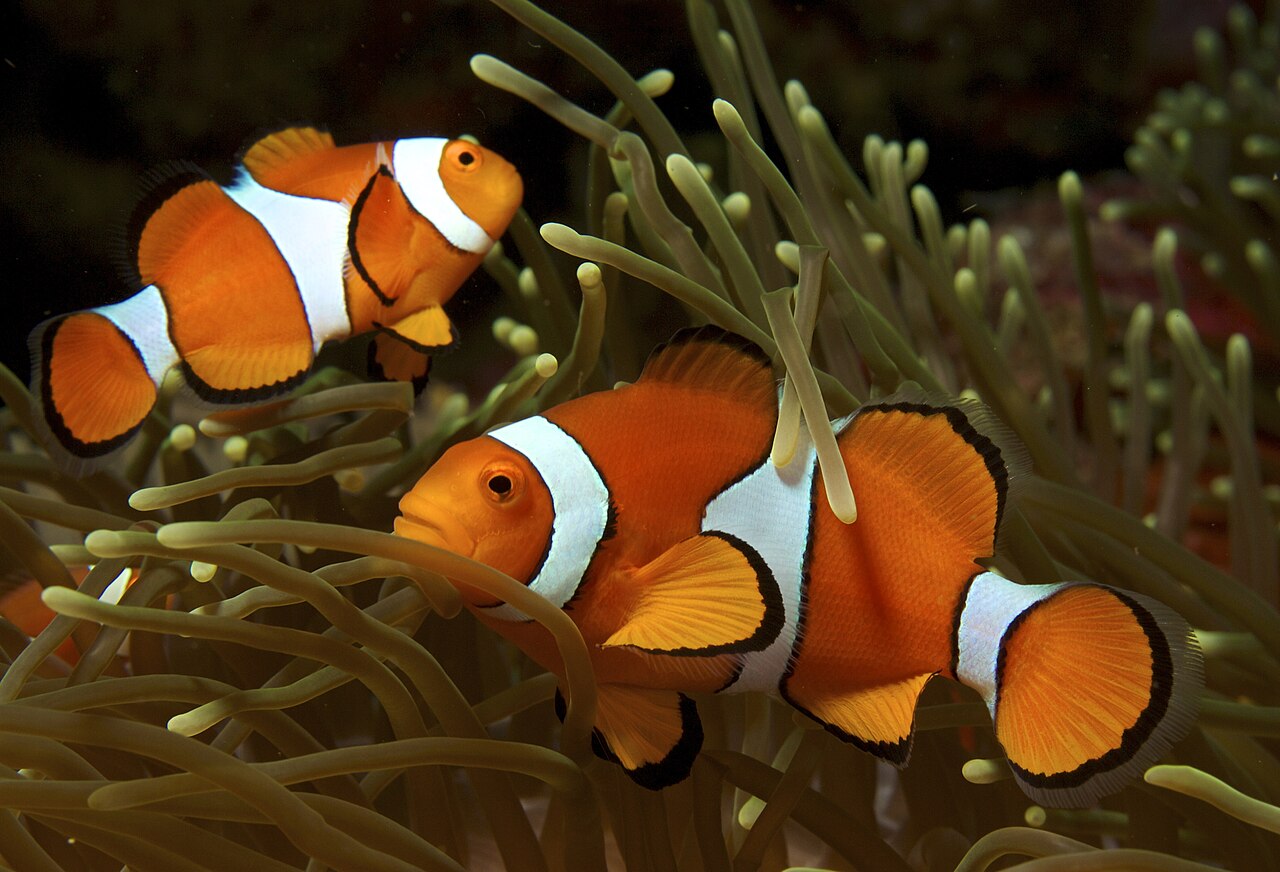
Damselfishes

Image: Photo by Nick Hobgood · licensed CC BY-SA 3.0 · source

Also known as
Blacksmith, Damselfish, Garibaldi
Kosher status
Kosher

About Damselfishes

Family Pomacentridae. Including: Blacksmith (Chromis punctipinnis); Garibaldi (Hypsypops rubicunda). Clownfish or anemonefishes (genus Amphiprion) are saltwater fish found in the warm and tropical waters of the Indo-Pacific. They mainly inhabit coral reefs and have a distinctive colouration typically consisting of white vertical bars on a red, orange, yellow, brown or black background. Clownfish developed a symbiotic and mutually beneficial relationship with sea anemones, on which they rely for shelter and protection from predators. In turn, clownfish protect the anemone from anemone-eating fish, as well as clean and fan them, and attract beneficial microorganisms with their waste. Clownfish are omnivorous and mostly feed on plankton. They live in groups consisting of a breeding female and male, along with some non-breeding individuals. Clownfish have a size-based dominance hierarchy with the breeding female ranking at the top, followed by the breeding male and then the largest non-breeder and so on. When the female disappears, the breeding male changes sex and takes her place while the others move up the hierarchy. During reproduction, the female deposits eggs on a rock near their anemone, and the male fertilises them. After hatching, clownfish disperse into the open ocean as larvae, eventually settling on the bottom and searching for an anemone host as juveniles. The recognisable colour patterns and social nature of clownfish have contributed to their popularity. They are featured in the Disney/Pixar film Finding Nemo (2003) and are sought after in the aquarium trade. The ocellaris clownfish ranks among the most commonly traded marine fish. Many captive clownfish were taken from the wild and this has led to their decline. Clownfish are more numerous in marine protected areas, where collecting is forbidden. Clownfish or anemonefishes (genus Amphiprion) are saltwater fish found in the warm and tropical waters of the Indo-Pacific. They mainly inhabit coral reefs and have a distinctive colouration typically consisting of white vertical bars on a red, orange, yellow, brown or black background. Clownfish developed a symbiotic and mutually beneficial relationship with sea anemones, on which they rely for shelter and protection from predators. In turn, clownfish protect the anemone from anemone-eating fish, as well as clean and fan them, and attract beneficial microorganisms with their waste. Clownfish are omnivorous and mostly feed on plankton. They live in groups consisting of a breeding female and male, along with some non-breeding individuals. Clownfish have a size-based dominance hierarchy with the breeding female ranking at the top, followed by the breeding male and then the largest non-breeder and so on. When the female disappears, the breeding male changes sex and takes her place while the others move up the hierarchy. During reproduction, the female deposits eggs on a rock near their anemone, and the male fertilises them. After hatching, clownfish disperse into the open ocean as larvae...

Source: kosherfish.co/kosher-fish-list (snapshot 2025-12-19); legacy csv; Wikipedia (CC BY-SA 3.0); Wikipedia (CC BY-SA 3.0)

Look up another fish