
Drums and croakers
Also known as
- Bairdiella
- Black Croaker
- Black croaker
- California corbina
- Channel Bass
- Corbina
- Corvina
- Croaker
- Croakers
- Cubbyu
- Drum
- Drums
- Fluke
- Freshwater Drum
- Freshwater drum
- Hallibut
- King Croaker
- King Whiting
- King croaker
- Kingfish
- Kingfishes
- Lafayette
- Plaice
- Queenfish
- Red Drum
- Red drum
- Ribbon Fish
- Seatrout
- Seatrouts
- Silver Perch
- Silver perch
- Spot
- Spotfin Croaker
- Spotfin croaker
- Turbot
- Weakfish
- White
- White Croaker
- White Seabass
- White seabass
- Yellowfin Croaker
- Yellowfin croaker
- carvinas
- lafayette
- spot
About Drums and croakers
Family Sciaenidae, Including: Seatrouts and carvinas (Cynoscion species); Weakfish (Cynoscion nebulosus); White seabass (Cynoscion nobillis); Croakers (micropogon species, Bairdiella species, Odontoscion species); Silver perch (Bairdiella chyrsura); White or King croaker (Genyonemus lineatus); Black croaker (cheilottena saturnum); Spotfin croaker (Roncadorstearnsi); Yellowfin croaker(Umbrinaroncador); Drums (Pogonias species, Stellifer species, Umbrina species); Red drum or channel bass (Sciaenops ocallata); Freshwater drum (Aplodinotus grunniens); Kingfishes or king whitings (Menticirrhus species); California corbina (Menticirrhus undulatus); spot or lafayette (Leiostomus xanthurus); Queenfish (Seriphus politus); Cubbyu or ribbon fish (Equetus umbrosus).
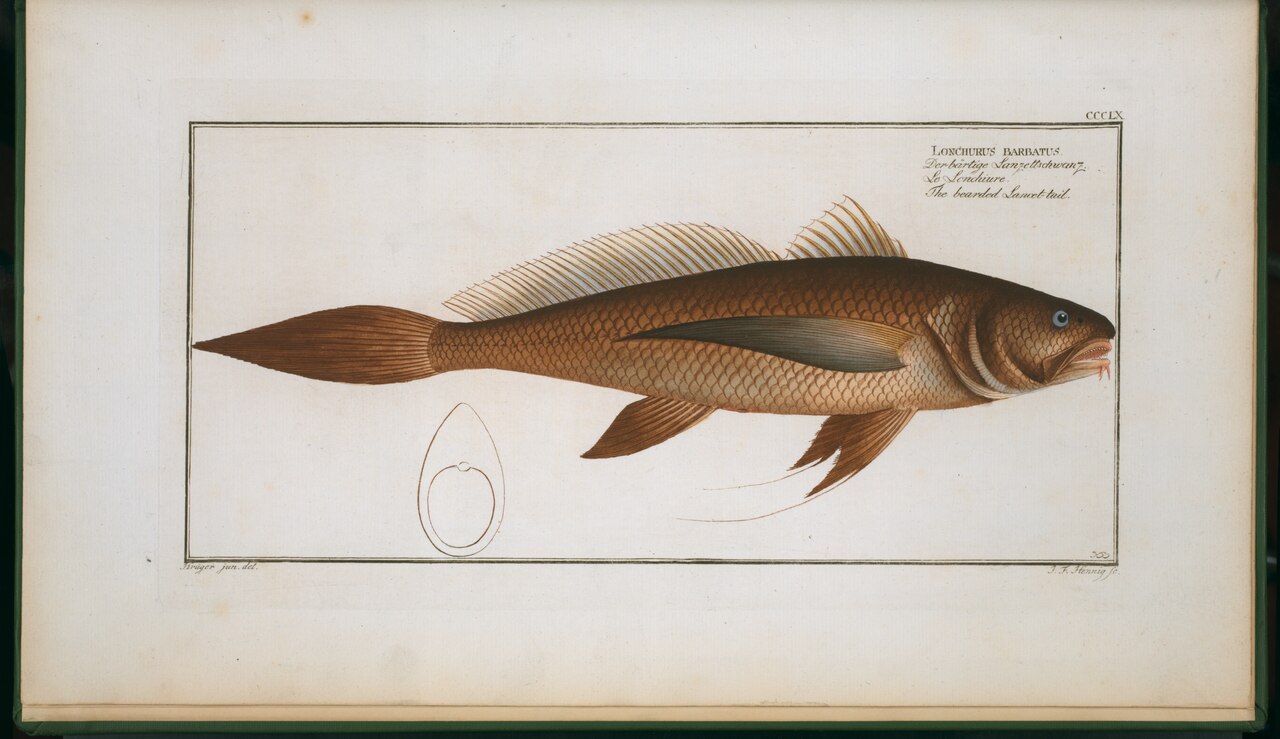
The longtail croaker (Lonchurus llanceolatus) is a species of marine ray-finned fish belonging to the family Sciaenidae, the croakers and drums. This species is found in the western Atlantic Ocean. References
Bairdiella is a genus of marine ray-finned fishes belonging to the family Sciaenidae, the drums and croakers. These fishes are found in the western Atlantic and eastern Pacific Ocean. Taxonomy Bairdiella was first proposed as a monospecific genus in 1815 by the American biologist Theodore Gill with Bodianus argyroleucus, a species described in 1815 by Samuel L. Mitchill from New York, as its only species. Mitchill’s B. argryleucus was later shown to be a synonym of Dipterodon chrysourus which had been described by Bernard Germain de Lacépède in 1802 from “Carolina”. Bairdiella belongs to the family Sciaenidae in the order Acanthuriformes. Some authorities place Bairdiella in the subfamily Stelliferinae but subfamilies are not recognised within Sciaenidae by Fishes of the World. Etymology Bairdiella suffixes the surname Baird with the diminutive -iella, Gill did not explain whom he was honoring with the name but it is most likely to be Spencer Fullerton Baird, the director of the United States National Museum where Gill worked. Species There are currently seven recognized species in this genus: Bairdiella armata Gill, 1863 – armed croaker Bairdiella chrysoura (Lacépède…
Image: Photo by chez l'auteur; [etc., etc.,] · licensed Public domain · Wikimedia Commons
