Skip to content

Is Imitation crab kosher?

No — Imitation crab is not kosher under Jewish dietary law.

Kashrut depends on the source fish and the processing plant. Imitation crab is typically made from pollock or other whitefish, which is itself kosher, but the finished product requires reliable kosher certification because of additives, flavorings, and shared equipment. Without a hechsher, treat as not kosher.

Imitation crab (Surimi)

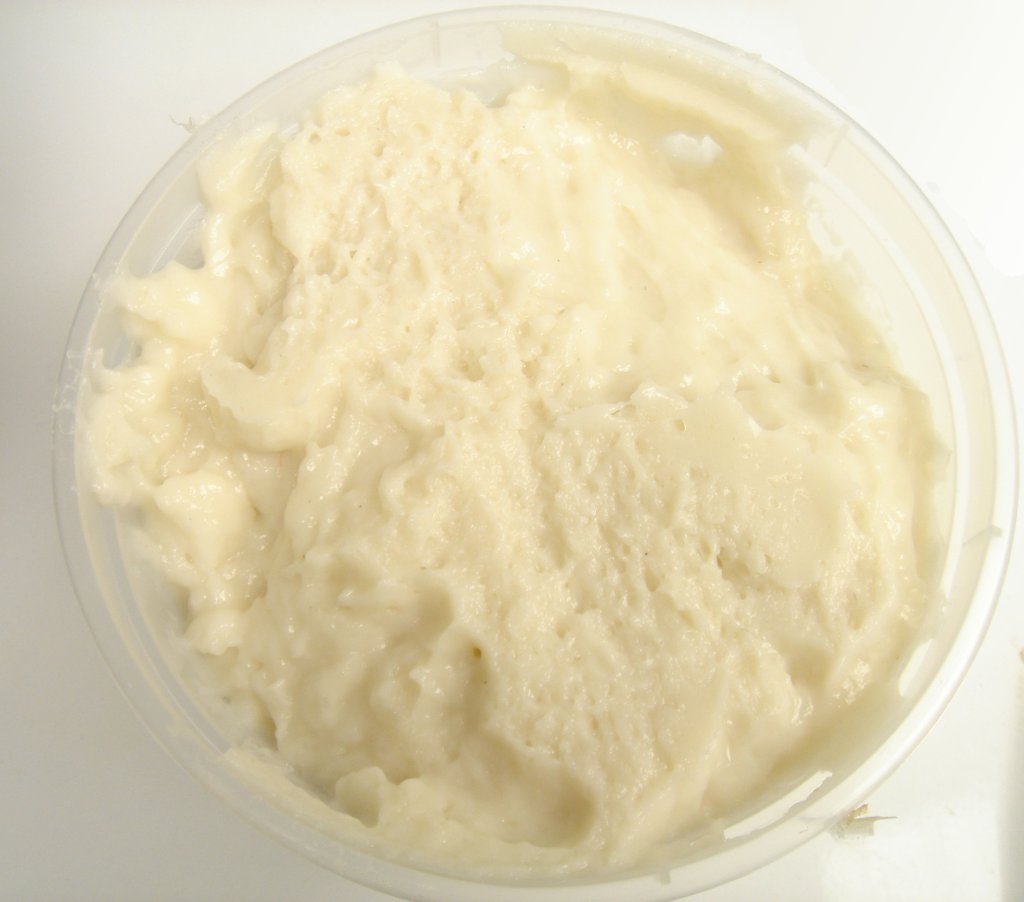
Image: Photo by Sjschen ( Sjschen ) · licensed CC BY 2.5 · source

Scientific name
Surimi
Also known as
Surimi, Krab, Krab meat, Kamaboko
Category
processed
Fins & scales
No fins ✗ , no scales ✗
Kosher status
Not kosher

About Imitation crab

A paste of minced whitefish shaped and flavored to resemble crab meat. Commonly found in sushi rolls. Surimi (Japanese: 擂り身 / すり身; 'ground meat') is a paste made from fish or other meat. It can also be any of a number of East Asian foods that use that paste as their primary ingredient. It is available in many shapes, forms, and textures, and is often used to mimic the texture and color of the meat of lobster, crab, grilled Japanese eel, or shellfish. Surimi (Japanese: 擂り身 / すり身; 'ground meat') is a paste made from fish or other meat. It can also be any of a number of East Asian foods that use that paste as their primary ingredient. It is available in many shapes, forms, and textures, and is often used to mimic the texture and color of the meat of lobster, crab, grilled Japanese eel, or shellfish. History Fish pastes have been a popular food in East Asia. In China, the food is used to make fish balls (魚蛋/魚丸) and ingredients in a thick soup known as geng (羹), common in Fujian cuisine. In Japan, the earliest surimi production was in 1115 for making kamaboko. Alaska pollock, native to the seas around Japan, played an important role in the development of processed surimi due to its high protein biomass. Satsumaage, chikuwa, and hanpen were other major surimi foods prior to 1960. After World War II, machines were used to process surimi, but it was always sold fresh, since freezing had a negative effect on the finished product by denaturing the gel-forming capability of the surimi. Between 1945 and 1950, record catches of pollock in Hokkaido (primarily for harvesting the roe) resulted in large quantities of fish meat, so the Hokkaido...

Kosher ruling

Kashrut depends on the source fish and the processing plant. Imitation crab is typically made from pollock or other whitefish, which is itself kosher, but the finished product requires reliable kosher certification because of additives, flavorings, and shared equipment. Without a hechsher, treat as not kosher.

Source: Orthodox Union; Wikipedia (CC BY-SA 3.0); Wikipedia (CC BY-SA 3.0)

Look up another fish