Skip to content

Is Plaice kosher?

Yes — Plaice is kosher under Jewish dietary law.

Plaice has fins and scales, which are the two requirements for kosher fish under Jewish dietary law (Leviticus 11:9-12).

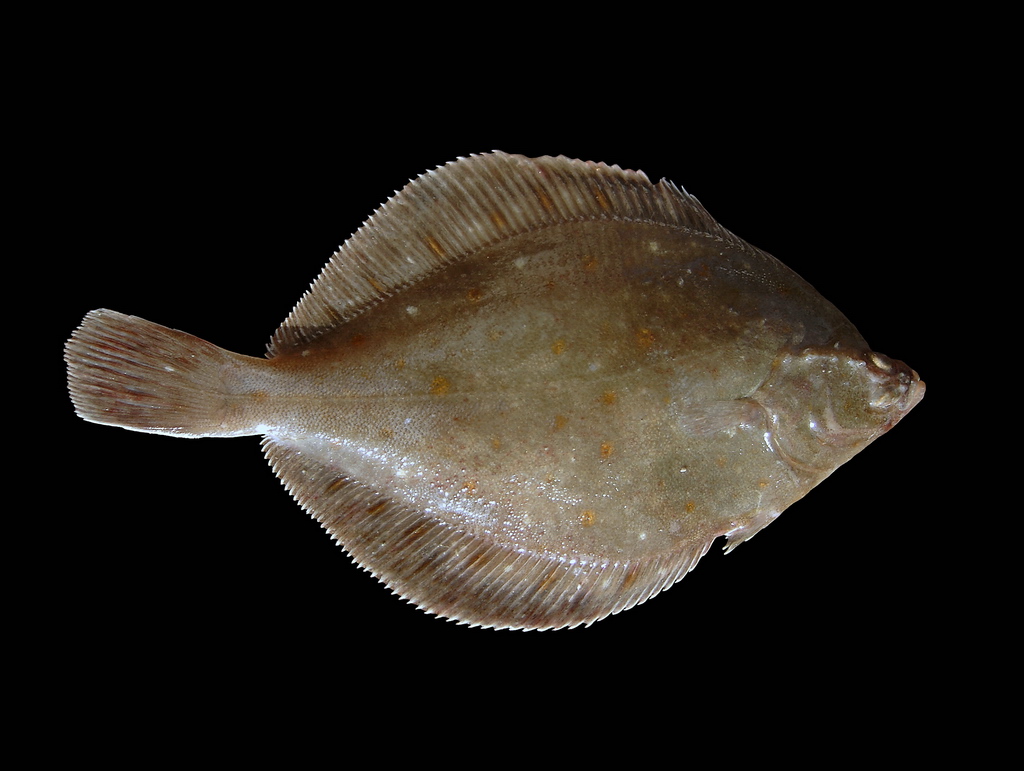
Plaice (Pleuronectes platessa (European) / Hippoglossoides platessoides (American))

Image: Photo by Hans Hillewaert · licensed CC BY-SA 4.0 · source

Scientific name
Pleuronectes platessa (European) / Hippoglossoides platessoides (American)
Also known as
European Plaice, American Plaice, Dab
Habitat
Northeast Atlantic, North Sea, sandy/muddy bottoms
Kosher status
Kosher

About Plaice

See: Flounders Pleuronectidae, also known as righteye flounders, are a family of flounders. They are called "righteye flounders" because most species lie on the sea bottom on their left sides, with both eyes on their right sides. The Paralichthyidae are the opposite, with their eyes on the left side. A small number of species in Pleuronectidae can also have their eyes on the left side, notably the members of the genus Platichthys. Their dorsal and anal fins are long and continuous, with the dorsal fin extending forward onto the head. Females lay eggs that float in mid-water until the larvae develop, and they sink to the bottom. They are found on the bottoms of oceans around the world, with some species, such as the Atlantic halibut, Hippoglossus hippoglossus, being found down to 2,000 m (6,560 ft). The smaller species eat sea-floor invertebrates such as polychaetes and crustaceans, but the larger righteye flounders, such as H. hippoglossus, which grows up to 4.7 m (15 ft) in length, feed on other fishes and cephalopods, as well. They include many important commercially fished species, including not only the various fish called flounders, but also the European plaice, the halibuts, the lemon sole, the common dab, the Pacific Dover sole, and the flukes. The name of the family is derived from the Greek πλευρά (pleura), meaning "rib" or "side", and νηκτόν (nekton), meaning "swimming". Pleuronectidae, also known as righteye flounders, are a family of flounders. They are called "righteye flounders" because most species lie on the sea bottom on their left sides, with both eyes on their right sides. The Paralichthyidae are the opposite, with their eyes on the left side. A small number of species in Pleuronectidae can also have their eyes on the left side, notably the members of the genus Platichthys. Their dorsal and anal fins are long and continuous, with the dorsal fin extending forward onto the head. Females lay eggs that float in mid-water until the larvae develop, and they sink to the bottom. They are found on the bottoms of oceans around the world, with some species, such as the Atlantic halibut, Hippoglossus hippoglossus, being found down to 2,000 m (6,560 ft). The smaller species eat sea-floor invertebrates such as polychaetes and crustaceans, but the larger righteye flounders, such as H. hippoglossus, which grows up to 4.7 m (15 ft) in length, feed on other fishes and cephalopods, as well. They include many important commercially fished species, including not only the various fish called flounders, but also the European plaice, the halibuts, the lemon sole,...

Source: kosherfish.co/kosher-fish-list (snapshot 2025-12-19); Wikipedia (CC BY-SA 3.0); Wikipedia (CC BY-SA 3.0)

Look up another fish