
Honey is kosher, and yes, that catches people off guard. Bees aren’t a kosher species, insects fail every test in the Torah’s dietary code, so the instinct is to assume anything a bee makes is off the table too. Jewish law carves out a specific, well-documented exception for honey, the same kind of close call this site tracks across 291 kosher fish species. Here’s the actual reasoning, not just the verdict.
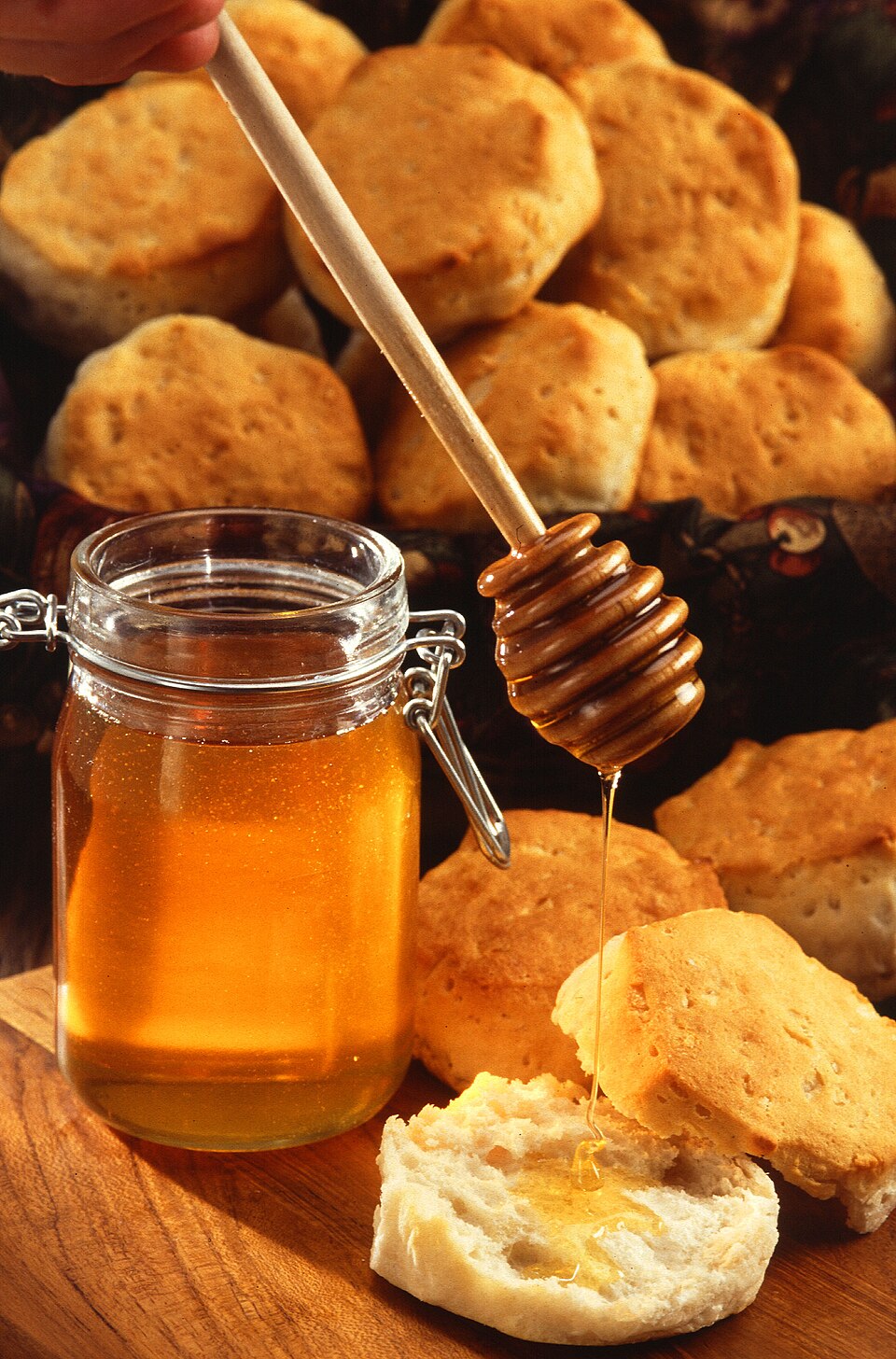
Why Honey Is Kosher Even Though Bees Aren’t
The general rule in kosher law is blunt: whatever comes out of a non-kosher animal is non-kosher. The Talmud states it directly in Tractate Bechorot (5b), and the standard example is camel milk. A camel isn’t a kosher animal, it doesn’t have split hooves and doesn’t chew its cud the way the Torah requires, so camel milk carries the same status as the camel itself. Not kosher. Honey should work the same way by that logic. Bees aren’t kosher, and insects almost never are. So is honey kosher despite that? Yes, and the Talmud (Bechorot 7b) explains exactly why.
The Sages give two reasons. The first says honey isn’t a bodily secretion the way milk is. A bee gathers nectar, carries it in a separate internal pouch, breaks it down with enzymes, and stores the result in the honeycomb. Nothing about that process makes the nectar part of the bee’s own body the way milk is produced inside an animal. It passes through the bee without becoming the bee, so the “whatever comes from non-kosher is non-kosher” rule never applies in the first place. The second opinion, from Rebbi Yaakov, skips the biology and goes straight to the text: Vayikra 11:21 carves out an exception for a specific category of flying insects, and the Sages read that verse as covering bee’s honey by name. Either reasoning lands in the same place. Honey is kosher, and it has held that status for centuries.
How Bees Produce Honey (and Why It Matters Here)
Bees collect nectar from flowers, not from any part of an animal, and that plant origin is part of why the rabbis treated honey differently from the start. A single bee can visit a hundred flowers on one trip before it carries the nectar back to the hive. Since the raw material starts as flower nectar rather than an animal secretion, the colony’s job is really a process of conversion: enzymes break the nectar down, and the bees store the result in the honeycomb until it thickens into the honey you’d recognize on a store shelf or at a farmers market. That plant-to-honeycomb process, not anything drawn from inside the bee’s own body, is what the Talmud pointed to when it treated bee’s honey as something produced rather than secreted.
Is the “Land of Milk and Honey” About Bee Honey?
The Torah calls the Land of Israel “a land flowing with milk and honey” (Exodus 3:8), and people often assume that’s a reference to bee honey. Classical commentators actually debate it. R’ Eliezer held that the honey in that phrase means date honey, the syrup pressed from dates, one of the seven species tied to the Land of Israel, not honey from a hive. Rabbi Akiva argued the term isn’t limited to date honey. The Radak later read a related verse about honey flowing from a forest as a reference to wild bee hives among the trees, which points back toward regular bee honey.
Modern scholarship leans toward date honey as the more likely original meaning, since dates and their syrup were a far more common Biblical-era product than beekeeping. Either way, this verse isn’t the source of honey’s kosher status. That comes from the Talmud’s own exception in Bechorot, not from the description of the land itself.
What the Kosher Authorities Actually Say
This isn’t a contested call. Unlike some kosher-fish questions this site covers, where authorities genuinely split (swordfish has a documented historical debate), honey’s kosher status is settled and has been for centuries. The Orthodox Union confirms it directly: honey is kosher because of the Talmudic exception, not despite it, and every major certifying agency, the OU, the cRc, Star-K, OK Kosher, and Kof-K, treats pure honey the same way and applies the same certification standards it uses across other foods. Honey is considered kosher by every one of them, and you won’t find a recognized kosher authority anywhere that calls plain honey off-limits. Not every product that comes out of a beehive gets the same pass, though, and that’s where the details start to matter.
Does Honey Need a Hechsher?
Is honey kosher without a hechsher at all? Pure honey is considered kosher on its own, straight from the comb. In practice, most honey on the shelf still carries a hechsher, and there’s a real reason for that. Raw honey needs straining to remove dead bees and hive debris before it’s bottled, and Jewish law treats that filtering as an after-the-fact cleanup rather than a kashrut problem, so the straining itself doesn’t create an issue.
The real risk shows up downstream. Flavored honey, honey blended with other syrups, honey used in a glaze or a baked good, or honey processed on shared equipment can all introduce a non-kosher ingredient or cross-contact that plain honey never had, and processing facilities that also handle non-kosher foods raise that risk further. A hechsher confirms the ingredients and that the facilities meet real kosher certification standards, not just the bee, so buying certified kosher honey is the simplest way to stay free of any doubt, and a recognized symbol at the store costs nothing extra. Certification also helps the honey maintain its kosher status from the hive to your kitchen, which matters more once you’re buying a certified specialty blend instead of plain honey.
Bee Pollen and Royal Jelly Aren’t the Same Case
Honey isn’t the only thing a beehive produces, and the other products don’t automatically inherit honey’s pass. Bee pollen is kosher, according to both the OU and Star-K, because the bee just carries it on its legs without digesting or transforming it. Royal jelly is a different case, since it comes from inside the bee rather than from a flower. The OU rules it non-kosher, and Star-K advises against eating it too, because royal jelly is an actual bodily secretion, the exact thing honey specifically isn’t. A minority opinion (the Tzitz Eliezer) permits it, but the mainstream position across the major agencies is to avoid it. If a supplement or a skincare product lists royal jelly and your family is keeping kosher, ask a rabbi before assuming it’s fine.
| Product | Kosher? | Why |
|---|---|---|
| Pure honey | ✅ Yes | Not a bodily secretion (Talmud, Bechorot 7b), affirmed by the OU, cRc, Star-K, OK, and Kof-K |
| Bee pollen | ✅ Yes | Unprocessed, carried on the bee’s legs, never digested (OU, Star-K) |
| Camel milk | ❌ No | Milk from a non-kosher animal stays non-kosher, no scriptural exception applies |
| Royal jelly | ❌ No (OU) / ⚠️ Avoid (Star-K) | An actual bodily secretion, unlike honey, though a minority opinion (Tzitz Eliezer) permits it |
| Flavored, blended, or processed honey | ⚠️ Check | May include non-kosher additives or shared equipment, look for a hechsher |
Is Honey Pareve?
Honey is pareve. It’s not meat and it’s not dairy, so it fits into any kosher meal without restriction, alongside a fish course, a dairy breakfast, or a meat dinner. That’s part of why honey shows up everywhere in Jewish cooking, from a Rosh Hashanah apple dip to a glaze on a Shabbat challah. The same pareve logic applies to most kosher fish, see our breakdown on whether fish is pareve, so it’s a familiar category if you already keep a kosher kitchen.
Honey in Kosher Holiday Cooking
Honey shows up most visibly at Rosh Hashanah, when apples dipped in honey open the meal as a wish for a sweet new year, and a jar of honey is a common holiday gift for a family’s table. It’s also common in Shabbat challah, in tzimmes, and in holiday baking through the fall Jewish calendar. None of that changes the kosher status question. Pure honey is pareve and kosher whether you’re using it on a Tuesday or a holiday table, but it does mean the honey in your pantry during the high holidays is worth a second look if it’s a flavored or specialty blend rather than plain honey from a jar you already trust.
Honey’s taste and flavor shift with the flowers a colony foraged that season, which is part of its appeal at the table. Refined sugar carries no such variation in taste and needs no kosher scrutiny of its plant source, since it isn’t tied to any animal or insect the way honey’s kosher status is. That’s one more reason honey, not sugar, is the one people ask about.
Is Honey Kosher for Passover?
Pure honey isn’t inherently a Passover problem, but the honey on a regular grocery shelf can be. The OU has found that some brands labeled “100% pure honey” were actually cut with corn syrup, and corn falls under kitniyot, a category of foods, legumes, seeds, and corn among them, that many Ashkenazi families avoid on Passover even though it isn’t technically chametz. That’s why honey needs its own Passover certification rather than a regular year-round hechsher. Historically, the Rema records a custom of some communities avoiding honey on Passover entirely, out of doubt about what else might be mixed in, though most authorities today treat that custom as outdated once a reliable hashgacha confirms the honey is unadulterated. Look for honey marked for Passover specifically during the holiday, and see our guide on what else is kosher for Passover for the fuller picture.
Check Any Fish with KosherFish
Honey is a good reminder that a kosher verdict isn’t always the obvious guess, and that’s exactly the kind of question this site exists to answer for fish. A lot of species get assumed kosher or non-kosher based on a name or a rumor, the same way honey gets assumed non-kosher because of the bee. Look up any fish in seconds with the KosherFish tool, or browse the full list of 291 species with a verdict and the reason behind each one.
The same logic that applies to honey applies to processed fish products too. Even a naturally kosher fish can need a hechsher once it’s canned, smoked, or turned into something like gefilte fish, covered in our guide on whether fish needs a hechsher. Keep the iOS app or the Android app on your phone and you can check a fish at the counter as easily as you’d check a honey label.
Frequently Asked Questions
Is honey kosher?
Yes, honey is kosher. Bees aren’t a kosher species, but the Talmud (Bechorot 7b) makes a specific exception for honey because it isn’t a bodily secretion the way milk is. The Orthodox Union and every other major kosher agency confirm honey’s kosher status, and it has held for centuries.
Why is honey kosher if bees aren’t kosher animals?
Because honey doesn’t count as a product of the bee’s body the way milk counts as a product of a cow. A bee carries nectar in a separate pouch, processes it with enzymes, and stores it in the comb without it ever becoming part of the bee itself. The Talmud treats that difference as decisive.
Does honey need a hechsher, a kosher certification?
Pure honey doesn’t strictly need one, but most honey sold commercially still carries a hechsher, and it’s worth looking for. Flavored, blended, or processed honey can pick up non-kosher ingredients or cross-contact from shared equipment that raw honey never has. A hechsher confirms the ingredients and the process, not just the bee.
Is raw honey kosher?
Yes. Raw honey straight from the comb is kosher, and straining out dead bees or hive debris doesn’t change that. Jewish law treats that filtering as an after-the-fact cleanup, not a kashrut problem. The kosher status comes from the honey itself, which the Talmud already exempts from the rule barring products of non-kosher animals.
Is bee pollen kosher?
Yes, bee pollen is kosher, according to both the Orthodox Union and Star-K. The bee only carries pollen on its legs and doesn’t digest or transform it, so it never falls under the rule that applies to a genuine bodily secretion. That puts bee pollen in the same category as honey, not royal jelly.
Is royal jelly kosher?
No, according to the Orthodox Union, and Star-K advises against eating it as well. Unlike honey, royal jelly is an actual secretion from the bee’s body, which puts it under the general rule that a product of a non-kosher animal is non-kosher. A minority opinion, the Tzitz Eliezer, permits it, but that isn’t the mainstream position.
Is honey pareve, or does it count as meat or dairy?
Honey is pareve. It contains no meat and no dairy, so you can serve it with either at the same kosher meal, whether that’s a meat dinner, a dairy breakfast, or alongside a kosher fish course. That’s a big part of why honey shows up across Jewish holiday cooking, from apples at Rosh Hashanah to a Shabbat challah glaze.
The Bottom Line
Is honey kosher? Yes. Bees aren’t a kosher species, but the Talmud makes a direct, named exception for honey because it isn’t a bodily secretion, and every major kosher authority, the OU, the cRc, Star-K, OK Kosher, and Kof-K, agrees. Look for a hechsher on flavored or processed honey, skip royal jelly unless your own rabbi tells you otherwise, and treat pure raw honey as the safe default it’s always been. If you keep hitting questions like this one, look up any fish on the KosherFish tool, check the full kosher fish list, read what makes a food need a hechsher in the first place, or brush up on the basics of keeping kosher. The iOS and Android apps put the same lookup in your pocket for the next fish counter trip.