
Is turkey kosher? Yes, in practice. The OU says the only poultry mainstream kashrut organizations accept as kosher in the U.S. are chicken, turkey, duck, and goose. A few respected rabbis still hold back, though, because turkey comes from the New World and lacks an ancient tradition. To check a fish for the table, use the KosherFish lookup tool.
Turkey is the traditional Thanksgiving main course, as Ronnie Fein notes in OU Life, so the question comes up every November. Below you’ll find what each side says, what makes a turkey kosher at your store, and what to do if you have doubts.
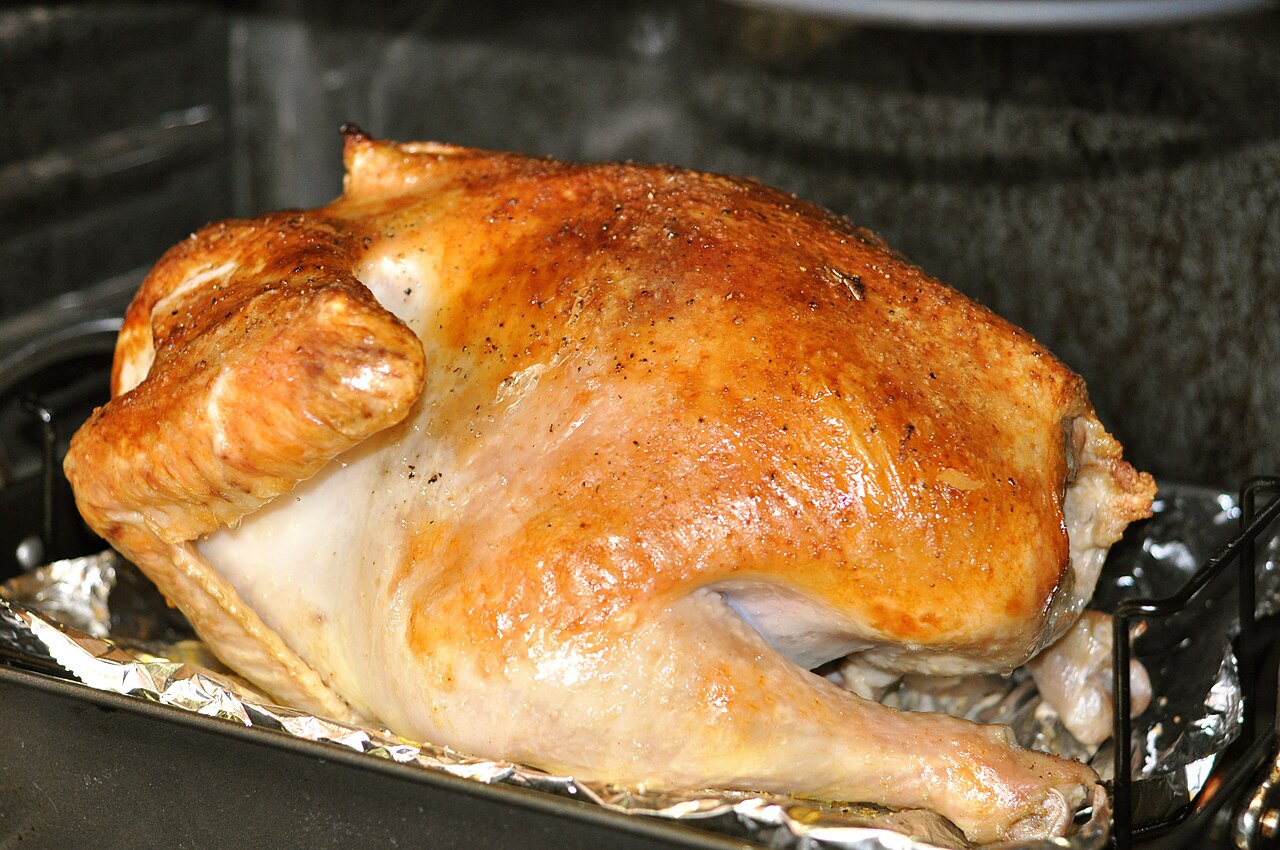

How Does a Bird Become Kosher?
The Torah gives no checklist for birds. The OU primer says the Torah “does not enumerate specific characteristics to distinguish permitted and forbidden birds.” Fish are different, because Leviticus 11:9-12 gives a clear test of fins and scales. For birds, the Torah only lists the forbidden species (see Leviticus 11:13-19).
Rabbi Ari Zivotofsky writes on Kashrut.com that the Torah names 24 non-kosher bird species, and that by inference every other bird species is kosher. He adds that nobody can identify those 24 birds accurately today. Rabbi Dovid Rosenfeld writes on Aish that we’ve lost their exact identity, so you can’t settle a bird’s status by checking the Torah’s list.
The Mishnah (Chullin 3:6) gives signs of a kosher bird. Rabbi Chaim Jachter lists them in Kol Torah: an extra toe, a crop, and a gizzard whose lining peels easily. The Mishnah forbids a bird of prey that claws its food. Turkeys appear to have the signs, according to Rabbi Rosenfeld on Aish, but the signs alone do not settle the question.
Why Do Some Rabbis Hesitate About Turkey?
The hesitation comes from the rule of mesorah, a tradition handed down that a species is kosher. Star-K puts the rule this way: “Jews consider a fowl kosher only if there is a tradition that this species has always been considered kosher.” Rabbi Jachter traces it to the Shulchan Aruch and Rama (Yoreh Deah 82:3), following Rashi. By the same rule, Star-K doesn’t consider guinea fowl or quail kosher, because no such tradition exists for either bird.
Turkey is a New World bird, so no ancient community could have passed down a tradition about turkey. Rabbi Rosenfeld writes that “we cannot possibly have a tradition from generations past that it is kosher.” Rav Hershel Schachter avoids turkey for this reason, according to Rabbi Jachter. He also names Rav David Lifshitz, who abstained, and Rav Shlomo Kluger, who objected strongly to eating turkey about a century earlier.
Who Permits Turkey, and On What Grounds?
Most of the Jewish world eats turkey. Rabbi Jachter calls it “the widely accepted practice among all Jews today,” and several authorities give a reason. He cites Darkei Teshuva (82:26). That work argues that people have watched thousands of turkeys for years, and turkeys clearly aren’t birds of prey. So clear knowledge can serve as a tradition. Two Sephardic works, the Kaf HaChaim (Yoreh Deah 82:21) and Yalkut Yosef (Yoreh Deah 82:1), allow turkey as well.
History plays a part, too. Rabbi Rosenfeld writes that the Jews of Europe almost universally began eating turkey once it arrived from the Americas, and rabbis took up the question after the fact. Many people thought the bird came from India, which is why the Hebrew name is still tarnegol hodu, or Indian chicken. He then reports two more arguments. First, the Netziv (Meishiv Davar, Yoreh Deah 22) held that permitting a forbidden bird takes a tradition. However, a missing tradition gives no ground to forbid a bird that people already treated as permitted. Second, Jews began eating turkey before the late-16th-century custom of refusing birds without a tradition took hold, so that custom never applied to turkey.
Rabbi Jachter compares the universal acceptance of turkey to a Bat Kol, a heavenly voice, “proclaiming its permissibility.” He concludes that “only the exceptionally pious and learned Gedolei HaDor” should refrain. Your own rabbi decides what applies in your home.
Which Birds Count as Kosher? A Quick Table
| Bird | Kosher? | Who says so |
|---|---|---|
| Chicken | Yes | The OU lists it among the poultry mainstream kashrut organizations accept |
| Turkey | Yes, in practice | The OU lists turkey. Rav Hershel Schachter refrains because turkey lacks a tradition (Kol Torah) |
| Duck | Yes | The OU lists it among the poultry mainstream kashrut organizations accept |
| Goose | Yes | The OU lists it among the poultry mainstream kashrut organizations accept |
| Any other bird | Check | Star-K: a bird needs a tradition of being kosher. Ask your rabbi |
What Makes a Turkey Kosher at the Store?
A kosher species is only the first step. The bird also needs kosher slaughter and salting, and Star-K lists poultry among the foods that need Jewish involvement. The OU primer says a trained kosher slaughterer (a shochet) severs the trachea and esophagus with a special razor-sharp, perfectly smooth blade. Jews call that method shechita.
Then comes the salting. The Torah forbids eating blood, and the OU primer calls the process of drawing the blood out kashering. The primer says to soak the bird for a half hour in cool water, salt both sides with coarse salt, and leave the bird for an hour so the blood flows away. Jewish law requires kashering within 72 hours of slaughter, according to the OU. Star-K says salt is inherently kosher and needs no certification.
In practice, most shoppers never do any of this at home. Ronnie Fein writes in OU Life that kosher turkeys come brined from the store, and she tells cooks to skip extra salt. Look for a reliable hechsher on the package, and read our guide to kosher symbols if you are not sure which symbols to trust.
Is a Fresh Turkey From a Regular Grocery Store Kosher?
Not unless it carries a reliable hechsher. Without one, you have no assurance of kosher slaughter or salting, and the species alone doesn’t make the bird kosher. Buy a certified bird, and ask the butcher which agency supervises the plant.
Can You Serve Turkey With Dairy?
No. The OU primer tells kosher kitchens to keep one set of utensils for meat and poultry and another for dairy foods, so turkey stays on the meat side. The OU adds that the most prevalent custom is to wait six hours after meat before you eat dairy. We cover the rule in our guide on whether you can eat meat and dairy together. So plan the stuffing, gravy, and mashed potatoes without butter or milk.
Check Any Fish with KosherFish
Fish has its own clear Torah test. You can look up any of 290+ species on the KosherFish lookup tool, browse the full kosher fish list, or check a fish at the store with the iOS or Android app. A bird needs a tradition, but a fish only needs fins and scales you can verify.
Frequently Asked Questions
Is turkey kosher?
Yes, according to the mainstream view. The OU says the only poultry mainstream kashrut organizations accept as kosher in the U.S. are chicken, turkey, duck, and goose. A minority of rabbis, including Rav Hershel Schachter, refrain because turkey lacks a tradition. The bird also needs kosher slaughter and salting.
Why do some people say turkey is not kosher?
They point to the rule of mesorah. Star-K says Jews consider a fowl kosher only if the species has a tradition of being kosher. Turkey is a New World bird, so no ancient tradition exists. Rabbi Chaim Jachter says Rav Hershel Schachter avoids turkey for this reason.
What are the signs of a kosher bird?
The Mishnah gives three signs: an extra toe, a crop, and a gizzard with a lining that peels easily. Rabbi Chaim Jachter lists them in Kol Torah. The Mishnah forbids birds of prey that claw their food. The accepted practice relies on tradition, not the signs alone, according to Aish.
Does a turkey need a hechsher to be kosher?
Yes. Star-K lists poultry among the foods that need Jewish involvement. A kosher turkey needs a trained slaughterer and proper salting, so look for a reliable hechsher on the package. Ask your own rabbi which agencies you accept.
Are kosher turkeys already salted?
Ronnie Fein writes in OU Life that kosher turkeys come brined from the store, and she advises cooks to skip extra salt. The OU primer says koshering means soaking, then salting with coarse salt, within 72 hours of slaughter.
Can I eat turkey with cheese or milk?
No. The OU primer tells kosher kitchens to keep one set of utensils for meat and poultry and another for dairy, so turkey stays on the meat side. The OU says the most prevalent custom is to wait six hours after meat before dairy. Ask your own rabbi about your family’s custom.
The Bottom Line
Is turkey kosher? Yes, for nearly every Jewish community, and the OU lists it with chicken, duck, and goose. A small group of respected rabbis refrains because no ancient tradition covers a New World bird. Buy a bird with a reliable hechsher, skip the extra salt, and ask your own rabbi if you have doubts. Browse the kosher fish list, use the KosherFish lookup tool, or keep the iOS or Android app handy. For more background, read our kosher dietary laws guide and our guide to how to keep kosher.