
What is shechita? It’s the halachic method for slaughtering kosher mammals and birds, a single uninterrupted cut across the throat with a flawlessly smooth blade, performed only by a trained and certified shochet. Every kosher steak, chicken, and turkey you eat went through it. Kosher fish never do. Fish get their kosher status from a completely different test, fins and scales, the same one you can check on any of 291 species with the KosherFish lookup tool.
What Is Shechita, Exactly?
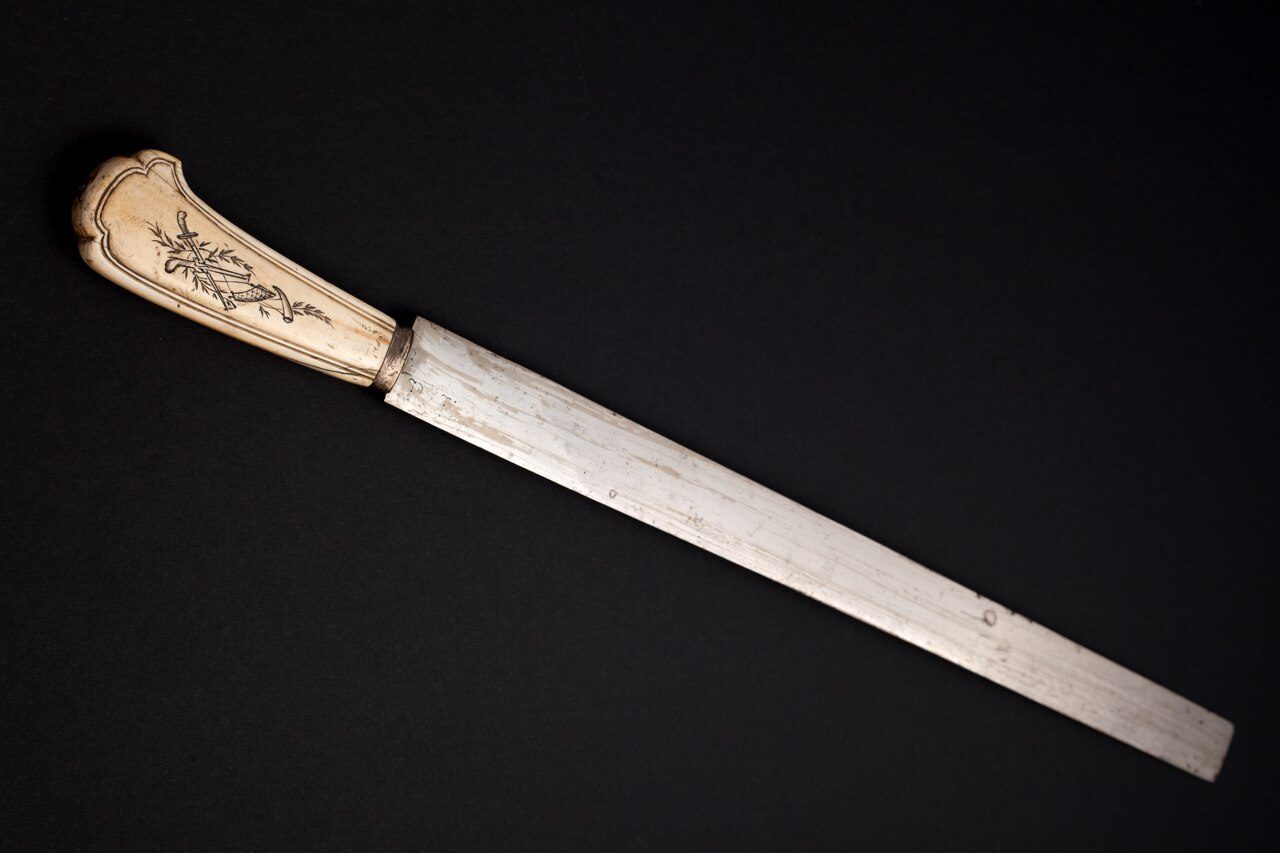
What is shechita, in halachic terms? It’s Jewish ritual slaughter, and it’s a religious requirement, not a matter of taste or convenience. It traces back to Deuteronomy 12:21, which tells you to slaughter your herd and flock the way you were commanded, without spelling out the method in the written text itself. The Oral Torah carried the details forward, the Talmud sets them out in tractate Chullin, and the Shulchan Aruch, Yoreh De’ah, later codifies them. In practice, the kosher slaughter process means a single rapid, uninterrupted cut across the neck with a chalaf, a slaughtering knife checked for surgical smoothness. On a mammal the shochet severs both the trachea and the esophagus. On a bird, cutting either one is enough. Chabad.org and the Orthodox Union both lay out the same basic mechanics.
The Blade, and the Five Ways a Cut Can Go Wrong
The chalaf has to be perfectly smooth, without the smallest nick anywhere on the edge. The shochet checks this by running a fingernail along the blade before and after every single cut, a step called bedikat hasakin. Historically a rav in the slaughterhouse oversaw the shochet’s knives in person and could pull someone off the job for being careless, a standard the Talmud sets out in Chullin 18 and one that Star-K still writes into its own kosher slaughter facility checklist today.
A valid cut also has to avoid five specific problems. Shehiya is a pause partway through the cut. Derasa is pressing or forcing the blade instead of drawing it smoothly. Chalada is the blade getting covered or hidden mid-cut, so the shochet can’t feel it moving cleanly. Hagrama is cutting in the wrong location on the neck. Ikkur is tearing a vessel instead of severing it. Any one of the five renders the cut invalid and the meat forbidden, no matter how experienced the shochet is.
Who Can Perform It: The Shochet’s Training
Not just anyone with a sharp knife can perform shechita. A shochet trains for years under an experienced shochet first, learning to handle the animal calmly, cut smoothly and quickly, and sharpen and check a chalaf to the required standard. A rabbi then examines the candidate directly, testing both knife quality and hands-on skill, before issuing a kabbalah, a certificate confirming the shochet is qualified. Chabad.org describes this two-part process in detail. A hechsher on kosher meat or poultry is really a claim about this whole chain: a certified shochet, a checked blade, and a rabbi standing behind the training.
What Happens Right After the Cut
The shochet’s job doesn’t end at the cut. Right after, he checks the severed organs and vessels by sight and touch, a step called bedikat hasimanim, required under Yoreh De’ah 25:1. He also examines the animal’s lungs and internal organs for treifos, physical defects that disqualify the animal even after a technically perfect cut, under Yoreh De’ah 29 through 60. Star-K’s facility checklist goes further still. Every animal’s organs get numbered so they can be traced back to that specific animal, and the bodek, the inspector, has to actually see the stomach as it’s removed. When the lungs come back completely smooth, with none of the adhesions called sirchos that would otherwise raise a question, the meat qualifies for the stricter glatt kosher standard, a term that applies only to animals and not to birds or fish. None of this is optional paperwork. It’s the difference between a technically sharp cut and meat that’s actually kosher.
After Shechita: Nikkur, Kashering, and the Priestly Gifts
Shechita and the inspections that follow still don’t finish the job. Before the meat leaves the plant, a trained worker performs nikkur, removing the gid hanasheh, the sciatic nerve, along with cheilev, certain forbidden fats, and specific blood vessels. The prohibition on the sciatic nerve goes back to Genesis 32:33, tied to Jacob wrestling with an angel. Nikkur is slow, exacting work, which is one reason hindquarter cuts like the sirloin and the round are harder to find with reliable kosher certification than forequarter cuts in most markets.
The meat still has to be koshered, since the Torah forbids eating blood outright in Leviticus 17:10-14. Kashering means soaking the meat in cold water for about half an hour, coating it fully in coarse kosher salt, letting it sit for roughly an hour so the salt draws out the remaining blood, then rinsing it thoroughly. Liver holds too much blood for soaking and salting to work on its own, so it gets broiled over an open flame instead. Skip this step and meat from a technically valid shechita still cannot be eaten.
Slaughtering a bird or a wild kosher animal, a chaya like deer, adds one more requirement that cattle skip entirely: kisui hadam, covering the blood. Leviticus 17:13 requires covering the blood with earth right after the shechita, usually a layer of sawdust laid down before the cut and a second layer added after, so the blood ends up between the two, along with a blessing. Domesticated animals like cattle and sheep are excluded from this mitzvah, another reminder that the rules shift depending on the species in front of the shochet.
One more mitzvah ties directly back to shechita and often gets overlooked. Deuteronomy 18:3 requires giving a kohen, a member of the priestly line, three specific parts of a non-sacrificial kosher animal after it’s slaughtered: the foreleg, the cheeks, and the stomach. Communities call this matnot kehuna, the priestly gifts, and while practice varies today, it remains a live halachic question tied to the shechita itself.
Which Animals Actually Need Shechita
Shechita applies to domesticated animals, wild kosher animals, and birds. The Shulchan Aruch says so directly in Yoreh De’ah 13:1, and adds that fish, and grasshoppers for the small number of communities that eat them, do not need it. Mammals need both the trachea and the esophagus severed to count, per Yoreh De’ah 21:1. Birds only need one of the two. The Talmud, in Chullin 27b, ties this back to how each category was created. Land animals, formed from earth, need two signs cut. Birds need one. Fish, formed from water, need no slaughter at all.
Why Kosher Fish Skip Shechita Entirely
This is where KosherFish’s whole reason for existing comes from. Halacha treats a fish as already permitted the moment it comes out of the water, according to the Talmud in Chullin 27b, so there’s no cut, no chalaf, and no shochet involved at any point. What decides a fish’s kosher status instead is the fins-and-scales test from Leviticus 11:9-12 and Deuteronomy 14:9-10, the same rule the KosherFish lookup tool checks for every one of its 291 species. There’s even a textual hint for the distinction elsewhere in the Torah. In Numbers 11:22, Moses uses slaughter language for the flocks and herds and gathering language for fish, a detail Chabad.org points to as early support for the distinction. Practically, that means you’ll never see “shechita-certified” on a package of kosher salmon. If a fish needs a hechsher at all, it’s for a different reason, like processing or shared equipment, not the way it was caught.
| Category | Shechita Required? | Why |
|---|---|---|
| Land mammals (cattle, sheep, goats) | ✅ Yes, both signs | Chullin 27b: created from earth, needs both the trachea and esophagus severed (Yoreh De'ah 21:1) |
| Birds (chicken, turkey, duck) | ✅ Yes, one sign | Only one of the two passages needs to be severed to count (Yoreh De'ah 21:1) |
| Fish (salmon, tuna, cod, and the rest) | ❌ No | Considered permitted upon removal from water (Chullin 27b), kosher status comes from fins and scales instead (Leviticus 11:9-12) |
| Shellfish and non-kosher insects | ⚠️ Not applicable | Shechita was never the issue, these lack fins and scales, or a kosher species classification, so no cut would make them kosher |
The Modern Debate: Shechita and Animal Welfare
Kosher law requires the animal to be alive and free of injury or defect at the exact moment of the cut. That single requirement is why mainstream Orthodox authorities rejected pre-slaughter stunning almost a century ago, when a group of leading European poskim signed a formal ban on the practice in 1937. Much of the public debate since then centers on how quickly consciousness fades after the incision, a question about what happens in the brain afterward, not about the religious requirement itself, which concerns only the condition of the animal and the blade at the moment of the cut. Newer stunning devices haven’t changed the underlying calculation either. A 2023 peer-reviewed study in the journal Animal Welfare examined a device called DTS, marketed as inducing a quick, painless faint before slaughter, and found it actually causes an epileptic-type seizure lasting up to four minutes, a result closer to the older electrical stunning methods Jewish law already rejects. Shechita remains a live regulatory question in parts of the world. If animal-welfare rules ever affect your local kosher meat supply, a recognized agency like the OU or Star-K, or your own rabbi, is the right place to check, not a headline.
Check Any Fish with KosherFish
Shechita is one of the most demanding parts of kashrut: a trained shochet, an inspected blade, two rounds of inspection, then nikkur and kashering before a single piece of meat or poultry counts as kosher. Fish never touch any of that. The whole question comes down to fins and the right kind of scales, which makes it something you can actually verify yourself in seconds. Look up any of 291 species on the kosher fish list, or check one at the counter with the KosherFish app for iOS and Android before you buy.
Frequently Asked Questions
What is shechita?
Shechita is the halachic method of slaughtering kosher mammals and birds. A trained shochet makes a single, uninterrupted cut across the throat with a chalaf, a blade checked for perfect smoothness, severing the windpipe and the esophagus in an animal or either one in a bird. It’s required by Torah law (Deuteronomy 12:21) and detailed in the Talmud and the Shulchan Aruch. Fish never need it.
Why don’t fish need shechita?
Halacha considers a fish already permitted the moment it leaves the water, according to the Talmud in Chullin 27b. Their kosher status depends only on having fins and the right kind of removable scales, per Leviticus 11:9-12 and Deuteronomy 14:9-10, not on how they’re caught or killed. That’s the whole basis of the KosherFish lookup tool, checking that one physical test instead.
What is a chalaf?
A chalaf is the specialized knife used to perform shechita. It has to be perfectly smooth along the entire cutting edge, with zero nicks of any size, something the shochet checks by running a fingernail along it before and after every cut. A single flaw in the blade, called a pegimah, invalidates the shechita even if the cut itself looked fine.
Who is allowed to perform shechita?
Only a trained, certified shochet. Candidates apprentice for years under an experienced shochet, learning animal handling, cutting technique, and how to sharpen and check a chalaf. A rabbi then tests the candidate’s knife and skill directly and issues a certificate called a kabbalah before that person can slaughter animals for kosher consumption.
What makes a shechita invalid?
Five specific problems disqualify a cut: shehiya, a pause mid-cut, derasa, pressing instead of drawing the blade, chalada, the blade getting covered or hidden during the cut, hagrama, cutting in the wrong location, and ikkur, tearing a vessel rather than severing it cleanly. Any one of these makes the meat not kosher, regardless of how experienced the shochet is.
Is pre-slaughter stunning allowed under Jewish law?
Mainstream Orthodox authorities have rejected pre-slaughter stunning since a formal ban signed by leading European poskim in 1937, because kosher law requires the animal to be alive and undamaged at the exact moment of the cut. Newer stunning devices, tested in a 2023 peer-reviewed study, still don’t meet that standard, so the position hasn’t changed.
What is nikkur?
Nikkur is the process of removing forbidden parts from a kosher-slaughtered animal before the meat can go up for sale. That means taking out the gid hanasheh, the sciatic nerve, cheilev, forbidden fats, and certain blood vessels. It’s detailed, specialized work, which is part of why some cuts of kosher meat, especially from the hindquarter, are harder to find than others.
What does glatt kosher mean?
Glatt means smooth in Yiddish. It refers to an animal whose lungs came back from inspection completely free of adhesions, called sirchos, that could otherwise raise a question about the animal. Glatt kosher is a stricter standard some communities require for all their meat, and it only applies to animals, not birds or fish.
Does kosher meat need certification beyond shechita?
Yes. Shechita is necessary but not sufficient on its own. The meat also needs nikkur, kashering, soaking and salting to remove blood, and for many products, ongoing supervision through processing and packaging. That’s why kosher meat and poultry carry a hechsher from an agency like the OU, Star-K, cRc, OK Kosher, or Kof-K, the same kind of certification symbol explained on what does OU kosher mean.
The Bottom Line
So, what is shechita, in one line? A single expert cut, a flawless blade, two rounds of inspection, then nikkur and kashering, all resting on training and certification that traces back to a real rabbi standing behind a real shochet. Kosher fish skip every part of it. The Torah tests fish by fins and scales alone, which is exactly what the KosherFish lookup tool and the full kosher fish list check for each of 291 species. If you want to go deeper on how fish fit into the wider kosher-food picture, see is fish pareve, does fish need a hechsher, and kosher dietary laws. Or download the app for iOS or Android and check the next fish you’re unsure about right at the store.