
Plain beer is usually kosher, but the rules for how you check that just changed. Beer made from grain, water, hops, and yeast has nothing halachically off-limits in the basic recipe, which is why for years most kosher consumers didn’t bother hunting for a symbol on a six-pack. That changed on January 1, 2026, when the Orthodox Union, OK Kosher, and STAR-K all moved to require certification on beer, even the plain stuff. The Chicago Rabbinical Council hasn’t followed. If you’re used to checking a species before you buy fish, beer now deserves a similar second look, and this post covers what changed, why, and what’s different at Passover.
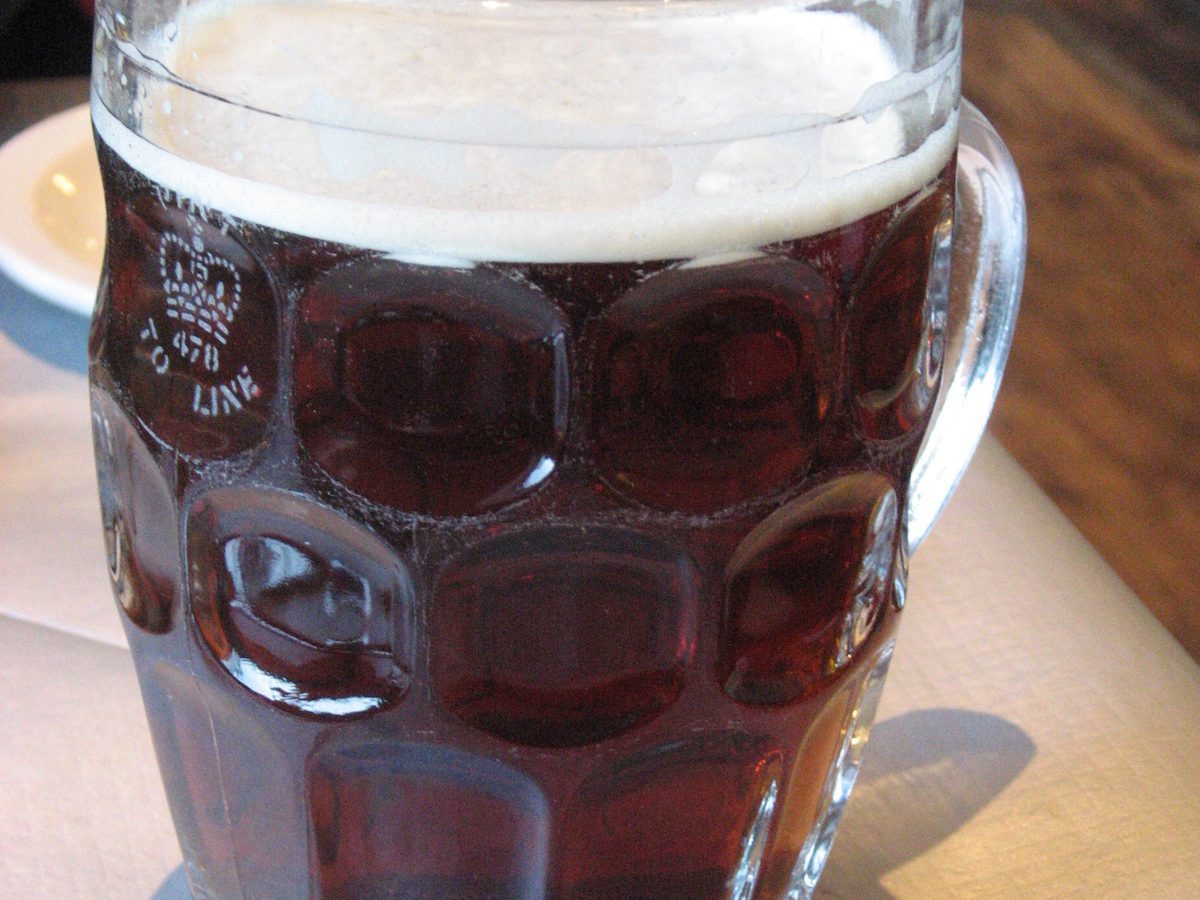
Why Plain Beer Didn’t Need a Hechsher
Barley, water, hops, and yeast are the four ingredients in a traditional beer, and none of them raise a kashrut problem on their own. That’s the reasoning the Chicago Rabbinical Council (cRc) still applies. Its consumer guidance states that “all standard unflavored beers with no additives are acceptable, even without kosher certification,” and says this holds for beer that’s domestic or imported, light or dark. No animal product, no shared-equipment risk with a clearly non-kosher food, nothing to certify. Is beer kosher without a symbol at all, then? For decades that was the standard answer across most agencies, and it’s still the cRc’s position today.
The cRc does carve out exceptions even under that lenient rule, and they’re worth knowing before you assume a beer is fine. Beer from a home or pub brewery needs certification under cRc guidance. So does beer from a brewery that also makes non-kosher beer, a Jewish-owned brewery, or a brewery in Israel. The same goes for any milk stout, any beer with added lactose, and any flavored beer, meaning one brewed with spices, botanicals, fruit, or anything else beyond the basic four ingredients. Those categories were never covered by the “plain beer is fine” rule, even before 2026.
The Kosher Beer Rules Changed in 2026
Is beer kosher without a symbol on the can? As of 2026, three major agencies say you can no longer assume so. STAR-K’s current guidance is direct: “due to increasing complexity within the beer industry, STAR-K and other leading agencies have decided to stop allowing uncertified beer,” and now “all beers, even unflavored, require certification.” The Orthodox Union issued a formal beer policy effective January 1, 2026, covering the beer served and sold under its supervision. OK Kosher moved in step with the other two.
Rabbi Moshe Elefant, the OU’s chief operating officer for kosher, explained the shift to Religion News Service in plain terms. Companies now use many different flavors to enhance even simple, ordinary beers, he said, which is a change from the traditional four-ingredient recipe. He also pointed to a more surprising catch: some beers turn out to contain lactose or milk, added for texture, which makes them dairy without an obvious label cue. A hazy IPA brewed with lactose is the kind of everyday example this policy is built around, not an unusual specialty import. Rabbi Elefant called it “a fine line and a tight rope,” balancing what’s halachically correct against what consumers now expect from a can that used to need no second look.
None of the three agencies has published a full list of what changed in the industry, but the pattern in Rabbi Elefant’s comments is consistent: more shared brewing equipment, more flavoring add-ins, and more products that quietly cross into dairy territory in a beer category that’s grown far past the four-ingredient basics.
One wrinkle worth flagging: the OU’s policy is written for food-service settings and OU-supervised events, which is narrower than STAR-K’s blanket statement that all beer needs certification for any consumer. The cRc, meanwhile, hasn’t adopted the new standard at all and continues to tell consumers that plain unflavored beer needs no hechsher. That’s a genuine disagreement between agencies you respect equally, not a case where one side is simply wrong. The practical takeaway: if your community or your rabbi follows the OU, OK, or STAR-K, check the can for a symbol going forward. If you follow the cRc’s guidance, plain unflavored beer is still fine without one, with the same exceptions as before.
Isinglass: The Fish Connection in Some Beers
Isinglass is a collagen fining agent pulled from a fish’s swim bladder, most often sturgeon, and it’s been used for centuries to clarify traditional British ales. Sturgeon has ganoid scales, embedded in the skin and impossible to remove without tearing it, so it fails the fins-and-scales test in Leviticus 11:9-12 and Deuteronomy 14:9-10 and isn’t kosher. See is sturgeon kosher for the full breakdown of why. STAR-K notes that isinglass and gelatin clarifiers “are not used in domestic beers,” so this is mostly a concern for imported British-style cask ales, not the beer on a typical American shelf.
There’s an old halachic leniency here, and it’s worth naming honestly. The 18th-century responsum of the Nodah B’Yehuda allowed isinglass in beer on the reasoning that only a tiny, nullified residue remains in the finished drink. OK Kosher acknowledges that ruling exists. But it adds that “the major kashrus agencies do not allow the use of this or other types of gelatin to clarify beer under their certification.” A historical leniency existing isn’t the same as a modern agency relying on it. If a beer you’re checking uses isinglass, it isn’t something OU, STAR-K, or OK-certified beer allows, regardless of the old ruling. The same fish-derived fining agent shows up in some wine, covered in is gelatin kosher and is wine kosher.
Beer and Passover: Why It’s Chametz
Standard beer is forbidden on Passover, full stop, regardless of how it’s certified the rest of the year. Barley, wheat, and rye are among the five grains that become chametz when they ferment in water, and brewing beer is that exact process. STAR-K puts it plainly: “the fermentation of barley into beer is exactly the process that the Torah calls chometz,” which the agency calls “chometz gamur,” meaning fully, unambiguously chametz, not a borderline case. OK Kosher independently describes beer as “quintessentially chometz.” The Torah’s Passover chametz prohibition (Exodus 12 and 13) bars leavened grain products for the full holiday, and a kosher, un-flavored, cRc-approved beer the rest of the year is still off the table during Pesach for that reason.
There’s a second wrinkle for beer specifically, beyond just not drinking it during the holiday. Chametz that a Jewish person owned over Passover can’t be used or sold to another Jewish person afterward. That includes unopened bottles sitting in a garage or a store’s back room. This is the chametz she’avar alav haPesach rule, and it applies unless the beer was properly sold before Passover began. It’s a bigger deal for a distributor or a store than a home fridge, but it’s part of why beer distribution around the holiday gets specific kashrut attention. For the fuller rundown on what changes during the holiday beyond beer, see kosher for Passover.
Kosher for Passover Beer: What’s Different
Kosher for Passover beer is a real, if small, category, and it’s brewed differently on purpose. OK Kosher describes the workaround: producers skip the malting process entirely and ferment honey or molasses instead of malted grain, using a Passover-certified yeast, with hops added for the bitterness and aroma a beer drinker expects. Because the fermentable sugar never comes from wheat, barley, or rye, the finished drink never becomes chametz in the first place. That’s the core difference between “kosher beer” and “kosher for Passover beer.” A beer can be kosher all year and still be barley-based and off-limits for the eight days of the holiday, while a Passover beer is a different recipe built to avoid the grain question entirely.
If you’re stocking a Passover table, look for the specific “Kosher for Passover” mark on the bottle, not just a general kosher symbol left over from the rest of the year. A beer certified kosher in March doesn’t carry that certification into the holiday unless the label says so.
Flavored, Craft, and Import Beers Need a Closer Look
Craft beer’s growth is a big part of why this got more complicated. A basic pilsner and a fruited sour don’t have the same risk profile. The cRc’s own exception list reflects that. Flavored beers, meaning anything brewed with fruit, spices, botanicals, or other add-ins, fall outside the plain-beer allowance and need certification. So do milk stouts and any beer with added lactose, since the dairy content has to be confirmed rather than assumed.
Blue Moon is a good example of how this plays out in practice. It’s a Belgian-style wheat beer from Molson Coors, flavored with orange peel and coriander instead of just hops. Because it’s a flavored beer, it falls outside the plain-beer allowance and needs certification on its own merits, and it has carried an OU certification since a 2017 partnership between Blue Moon and the Orthodox Union. It’s a useful case study, a beer people don’t automatically think of as needing a hechsher, that turns out to have one anyway once you look at the actual ingredients.
Beer from a home brewery, a pub brewery, a brewery that also produces non-kosher beer, a Jewish-owned brewery, or a brewery in Israel falls into the same “check first” bucket. None of that is exotic anymore. Fruit IPAs, pastry stouts, and small-batch import ales are common on a modern shelf, and each one is exactly the kind of beer that was already outside the lenient rule before the wider 2026 change. Is beer kosher just because it’s local or small-batch? Not on its own, the recipe still matters more than the label’s tone.
| Beer Type | Kosher? | Why |
|---|---|---|
| Plain macro beer (grain, water, hops, yeast) | ⚠️ Check | cRc allows it uncertified, but OU, OK, and STAR-K now require certification (since 2026) |
| Beer clarified with isinglass | ⚠️ Check | Isinglass comes from sturgeon, a non-kosher fish, and major agencies don’t allow it in beer they certify |
| Flavored or fruited beer | ⚠️ Check | cRc requires certification for any beer with added spices, fruit, or botanicals |
| Milk stout or lactose beer | ⚠️ Check | Dairy content needs a certifying agency to confirm, not just the label |
| Standard beer during Passover | ❌ No | Barley or wheat fermentation is chametz gamur, forbidden for the full holiday |
| Certified Kosher for Passover beer | ✅ Yes | Brewed from honey or molasses instead of malted grain, with Passover-certified yeast |
Check Any Fish with KosherFish
Isinglass is the reason a fish question sneaks into a beer question at all. If a label mentions a fish-derived fining agent or you’re not sure what’s clarifying a bottle of imported ale, you can look up the species in seconds on the KosherFish tool, or browse the full list of 291 species with the fins-and-scales verdict for each one. Carry the same check with you at the store or a restaurant with the iOS app or on Android. The fins-and-scales test that rules out sturgeon is the same one behind every fish verdict on the site.
Frequently Asked Questions
Is beer kosher?
Usually, yes, but check the label rather than assume. Plain beer made from grain, water, hops, and yeast has nothing halachically problematic in the basic recipe, and the cRc still allows it uncertified. As of January 2026, the OU, OK Kosher, and STAR-K require certification on all beer, even unflavored, so which answer applies depends on which agency your household follows.
Why did kosher beer certification rules change in 2026?
STAR-K cites “increasing complexity within the beer industry” as the reason it and other leading agencies stopped allowing uncertified beer. The growth of flavored, fruited, and shared-equipment craft beer likely drove the shift, though the agencies haven’t published a full explanation. The OU and OK Kosher adopted similar policies effective the same date, while the cRc has not.
What is isinglass, and is it a problem for beer?
Isinglass is a collagen fining agent made from a fish’s swim bladder, usually sturgeon, used to clarify traditional British-style beers. Sturgeon isn’t kosher, since its scales can’t be removed without tearing the skin. STAR-K notes isinglass isn’t used in domestic beer, and no major agency allows it in beer they certify, despite an old 18th-century leniency that accepted it in tiny, nullified amounts.
Is beer kosher for Passover?
No. Standard beer is brewed from barley or wheat, and fermenting those grains in water is the exact process the Torah defines as chametz. STAR-K calls beer “chometz gamur,” fully chametz, so it’s forbidden for the entire holiday even though the same beer is kosher the rest of the year.
What makes Passover beer different from regular beer?
Kosher for Passover beer skips the malting process and ferments honey or molasses instead of malted grain, using a Passover-certified yeast and hops for flavor. Because it never uses wheat, barley, or rye, it never becomes chametz. Look for a specific “Kosher for Passover” mark on the bottle, since a regular kosher symbol doesn’t carry over to the holiday.
Do flavored or craft beers need a hechsher?
Yes. The cRc requires certification for any beer flavored with fruit, spices, or botanicals, plus milk stouts and beers with added lactose. These categories were never covered by the plain-beer allowance, even before the 2026 policy change at the other agencies. Check the can for a symbol rather than assume a craft beer is fine.
Is Israeli beer automatically kosher?
No. The cRc specifically lists beer from Israel as needing certification, along with beer from Jewish-owned breweries and any brewery that also produces non-kosher beer. Being brewed in Israel or by a Jewish-owned company doesn’t substitute for an actual hechsher on the bottle.
The Bottom Line
Is beer kosher? Plain beer’s basic ingredients still check out, but the certification question isn’t as simple as it was a year ago. The cRc allows plain, unflavored beer without a hechsher, while the OU, OK Kosher, and STAR-K now want you to check for one, on everything, as of 2026. Flavored, craft, imported, and Israeli beers fall outside the lenient rule regardless of which agency you follow, and any standard beer is chametz and off the table for all of Passover, kosher symbol or not. When a fish-derived fining agent like isinglass is the question, the same fins-and-scales test that rules out sturgeon settles it.
You can check a specific fish behind a fining agent or an ingredient on the kosher fish list, look up any of 291 species with the homepage tool, or carry the check with you in the iOS or Android app. For more on how kosher certification works beyond beer, see what each kosher symbol means, what OU kosher means, and kosher for Passover.