
Is halibut kosher? Yes, it is. Halibut has fins and it has the kind of scales you can remove without tearing the skin, which is the Torah’s test in Leviticus 11:9-12, and both the Orthodox Union and the Chicago Rabbinical Council (cRc) list it as kosher. You can look up halibut and 290+ other species on the kosher fish list, or check any fish at the counter with the KosherFish lookup tool.
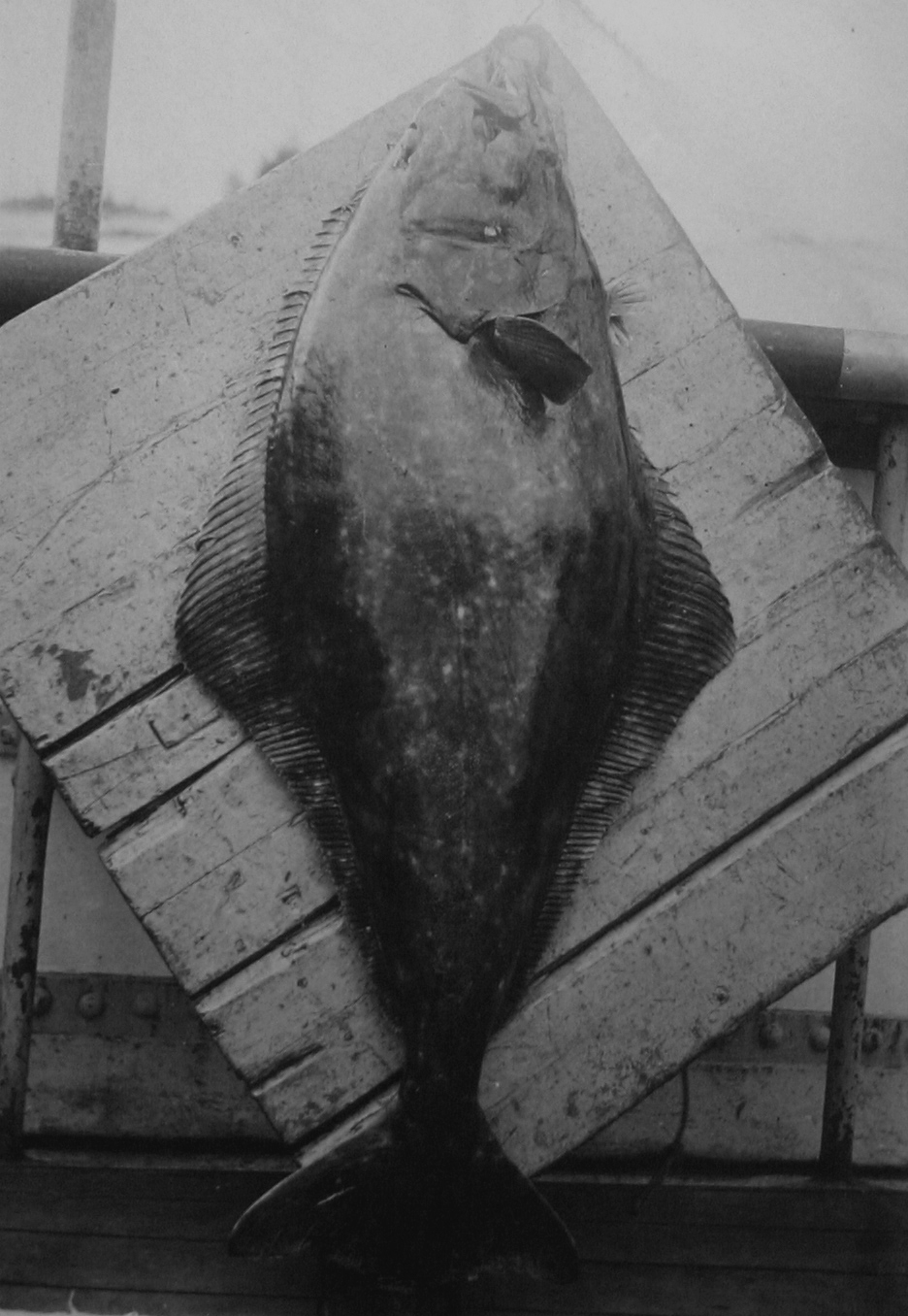
Why is halibut kosher?
The Torah’s rule for fish is simple and binary. Fins and scales present, the fish is permitted. Either one missing, it’s not. Halibut has both. Its scales are small, cycloid, and set into the skin, but they’re true scales and they come off without tearing the flesh underneath, which is the exact standard Leviticus 11:9-12 and Deuteronomy 14:9-12 set. That’s the full answer to “is halibut kosher,” and it holds even though halibut’s scales are less obvious than a salmon’s or a trout’s.
Halibut is a flatfish, the largest one in its family, related to flounder and sole. Both eyes migrate to one side of its head as it matures, and it spends its life lying flat on the ocean floor. The dark, eyed side and the pale underside both carry scales, so the kosher status covers the whole fish, not just one side.
Pacific, Atlantic, and Greenland halibut
Three fish sold as halibut show up in American markets, and the OU and cRc lists cover all of them as kosher:
- Pacific halibut (Hippoglossus stenolepis): The one you’ll see most. Wild-caught out of Alaska and the Pacific Northwest, and the fish most fish counters mean when they say “halibut.”
- Atlantic halibut (Hippoglossus hippoglossus): Larger and scarcer than the Pacific stock, from the cold North Atlantic. Wild-caught Atlantic halibut is pricier and harder to find.
- Greenland halibut (Reinhardtius hippoglossoides): Also called Greenland turbot or black halibut, a related flatfish that shows up less often here but is also kosher.
One naming trap worth knowing: “California halibut” (Paralichthys californicus) isn’t a true halibut at all. It’s a large flounder from a different family (Paralichthyidae, not the true halibuts’ Pleuronectidae), and it just carries the name because of its size and its habit of lying right-eyed like a real halibut. It doesn’t change the kosher answer since flounder is kosher too, but if you’re tracking the species on a label, know you’re buying a flounder, not a halibut.
| Fish | Kosher? | Why |
|---|---|---|
| Pacific halibut | ✅ Yes | Fins and removable cycloid scales, listed kosher by the OU and cRc |
| Atlantic halibut | ✅ Yes | Same species family and scale type as Pacific halibut |
| Greenland halibut | ✅ Yes | A related flatfish with the same fins-and-scales profile |
| “California halibut” | ✅ Yes | Actually a flounder (Paralichthyidae), still kosher, just not a true halibut |
| Processed halibut (smoked, canned) | ⛰️ Check label | Needs a kosher certification symbol once it’s processed |
Does halibut need a hechsher?
Fresh, whole halibut with the skin and scales still on generally doesn’t need a certification symbol, because you or your fishmonger can see the scales and confirm the species by sight. That’s the same rule that applies to most fresh, recognizable kosher fish. Once halibut is smoked, canned, breaded, or turned into something processed, the identifying scales are gone and you can’t verify the species or the equipment it touched by looking at it, so a kosher certification symbol becomes necessary. If you’re buying a halibut fillet with the skin removed at a regular market, ask to see the skin-on piece before it’s cut, or buy from a certified kosher fish counter.
The certification question comes up a lot with halibut specifically because it’s a premium fish that shows up on restaurant and catering menus more than home dinner tables. A kosher caterer serving halibut at a wedding or a bar mitzvah is almost always working with a supplier under supervision already, but if you’re buying for your own kitchen from a mixed fish counter, the skin-on rule is the simplest way to confirm what you’re getting is really halibut and not a substitute.
Buying and cooking kosher halibut
Halibut is a premium fish, and it earns the price in the kitchen. Its firm, dense white flesh holds together through methods that would break apart a more delicate flatfish like sole.
- Grilling: Halibut steaks and thick fillets hold up on the grate without falling apart, unlike flakier white fish.
- Baking: Halibut baked with olive oil, lemon, and fresh herbs is a simple, elegant dish for Shabbat or a holiday table.
- Pan-searing: A halibut fillet with a golden crust achieved in a hot pan is a restaurant-standard preparation that works well in a home kosher kitchen.
- Poaching: Halibut’s firm texture holds together well when poached in a light court-bouillon or herbed broth.
Halibut is pareve, neither meat nor dairy, so it fits at a meat or a dairy meal. Many communities still keep a custom of not serving fish and meat on the same plate even though both are pareve or kosher on their own, so check your own family’s practice if that’s a question for you. When buying, ask for skin-on fillets so the scales are visible, or buy a smaller “chicken halibut” under 20 pounds if a whole fish feels impractical. Any smoked, canned, or otherwise processed halibut needs a recognized kosher certification symbol on the label.
Halibut vs. other white fish
Recipes and menus often list halibut interchangeably with cod, haddock, or bass/" class="kf-autolink" title="Is Sea bass kosher? — KosherFish.co">sea bass, but the swap matters if you’re shopping by species rather than by recipe. Cod is kosher for the same reason halibut is, fins and removable scales, and it’s a cheaper, flakier substitute in most baked or poached dishes. True halibut costs more because it’s a single large fish per catch rather than a school fish, and its firmer texture is the reason chefs reach for it specifically when a dish needs to hold its shape, like a grilled steak or a pan-seared fillet. If a recipe just says “firm white fish” and price is a factor, cod or haddock will work and both carry the same kosher answer. If it calls for halibut by name for the texture, substituting a flakier fish will change the dish, not the kosher status.
Halibut for Shabbat and the holidays
Halibut’s firm texture and mild flavor make it a natural fit for a Friday-night table or a holiday meal where you want something that plates well and doesn’t fall apart on the way from the kitchen. It works as a whole roasted fillet with a simple herb crust, or portioned into steaks for individual servings, which caterers lean on for Rosh Hashanah and Passover Seders where every guest gets their own piece. Because it’s pareve, it also solves the problem of a fish course that needs to work at either a meat or a dairy meal without changing your menu plan. If you’re asking whether halibut is kosher for a specific holiday table, the answer doesn’t change from any other day. The species itself is kosher year-round, so the only extra step at Passover is confirming any packaged or processed halibut product carries kosher-for-Passover certification, the same check you’d run on any processed food that time of year.
Halibut in kosher sushi
Halibut shows up on kosher sushi menus under a few different names, and it’s worth knowing them since sushi restaurants rarely spell out “halibut” on the menu itself. “Hirame” is the Japanese name for halibut and flounder as a category, and “engawa” refers specifically to the fin muscle, a fattier cut prized for its texture. Both are the same kosher species question as the whole fish, fins and removable scales, so if the fish on the plate really is halibut or flounder, it’s kosher. The catch with sushi is less about the species and more about the kitchen: raw fish needs to be handled on kosher-certified equipment and cut with knives that haven’t touched non-kosher fish or shellfish, so a kosher sushi restaurant or a kosher-certified prepared-sushi counter is the way to be sure, not just the species name on the menu.
Check any fish with KosherFish
Halibut is a clean yes, but not every fish at the counter is this straightforward, and market names make it easy to buy the wrong species by mistake. You can look up halibut and 290+ other species on the full kosher fish list, or check a fish while you’re standing at the market with the KosherFish app for iOS and Android.
Frequently asked questions
Is halibut kosher?
Yes. Halibut has fins and removable cycloid scales, which is the standard Leviticus 11:9-12 sets for a kosher fish. The Orthodox Union and the Chicago Rabbinical Council both list halibut as kosher, and the ruling holds across Pacific, Atlantic, and Greenland halibut.
Does halibut need a kosher certification?
Fresh, whole halibut with the skin and scales visible usually doesn’t need a hechsher, since the species can be confirmed by sight. Smoked, canned, breaded, or otherwise processed halibut does need a kosher certification symbol, because the scales are gone and the species and equipment can’t be verified by looking.
Is California halibut a true halibut?
No. “California halibut” (Paralichthys californicus) is actually a large flounder from the family Paralichthyidae, not a true halibut from the family Pleuronectidae. It just carries the name for its size and its right-eyed appearance. It’s still kosher, since flounder has fins and removable scales too, but it’s a different species than Pacific or Atlantic halibut.
Is halibut pareve?
Yes, halibut is pareve, meaning it’s neither meat nor dairy, and it can be served at either kind of meal. Many communities still keep a custom of not eating fish and meat on the same plate, even though both are pareve or kosher on their own, so check your own family’s practice.
Is halibut kosher for Passover?
Yes, halibut itself is kosher for Passover, the species doesn’t change status by holiday. The extra step at Passover is checking that any smoked, canned, or otherwise processed halibut product carries kosher-for-Passover certification, the same check you’d run on any processed food that week. Fresh, whole halibut needs no extra Passover certification.
How do I know if halibut at the store is really halibut?
Ask for a skin-on fillet or a whole fish so you can see the scales and confirm the species yourself, the same check that works for most fresh kosher fish. Fish counters sometimes substitute one species for another under a shared market name, so buying skin-on or from a certified kosher fishmonger is the safest way to be sure.
The bottom line
Is halibut kosher? Yes, plainly and without a contested opinion behind it. It has fins and the removable scales the Torah requires in Leviticus 11:9-12, and the OU and cRc both confirm it across the Pacific, Atlantic, and Greenland species. Buy it skin-on to confirm the species yourself, and look for a certification symbol once it’s smoked, canned, or otherwise processed.
See the full kosher fish list, check halibut’s own species page, or look up any fish in seconds on the KosherFish homepage tool or the iOS and Android apps. For more on the rule halibut passes, read what makes a fish kosher, and for the certification side, see what cRc certification covers.