
Is butterfish kosher? Yes. The true American butterfish (Peprilus triacanthus) has fins and small, cycloid scales. Those scales are the kind that lift off without tearing the skin, the Torah’s test for a kosher fish in Leviticus 11:9-12. You can look up butterfish and 290+ other species on KosherFish to confirm any fish before you buy it. The catch with butterfish isn’t the fish itself. It’s what sometimes gets sold under its name.
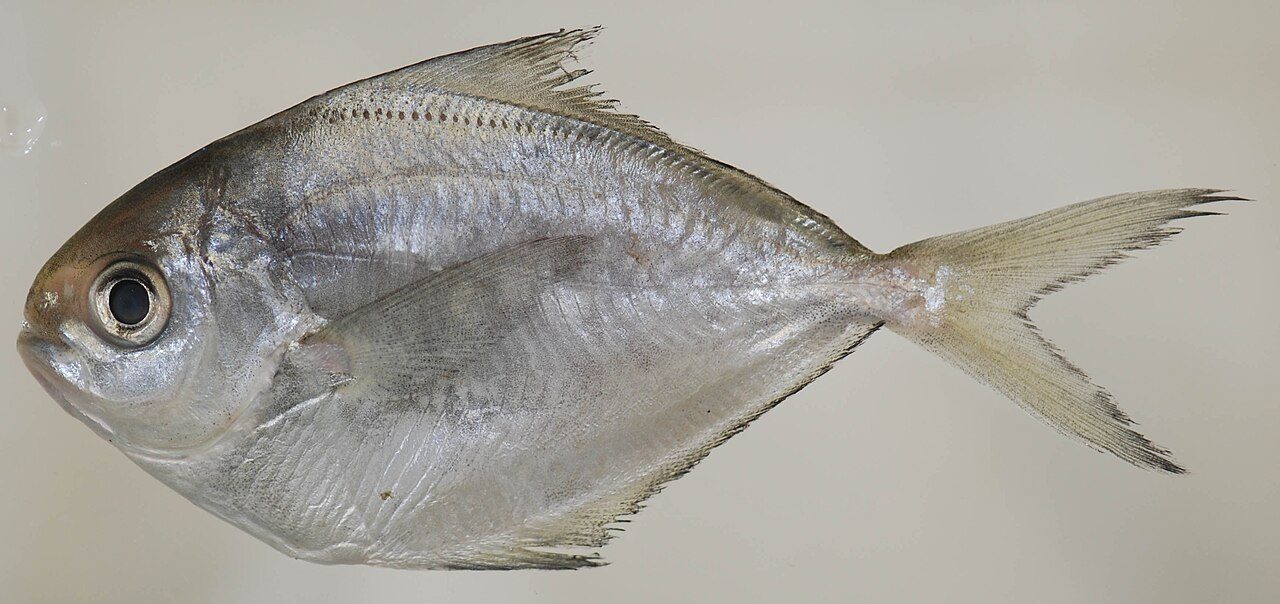
Why butterfish passes the fins-and-scales test
A kosher fish needs both fins and scales. The scales have to be a specific kind, cycloid or ctenoid scales you can peel off the skin without tearing it. That rule comes from the Torah, Leviticus 11:9-12 and Deuteronomy 14:9-10. It’s why some “sharp-looking” seafood, sharks and sturgeon among them, still fail the test even though they technically carry scale-like structures.
Butterfish clears the bar. FishBase and the classic NOAA-lineage survey Fishes of the Gulf of Maine both describe the species as having small, cycloid scales that detach easily. That’s exactly the halachically valid type. The scales are real, they’re just fine and shed fast, which is why a butterfish at the counter can look almost bare. This is a cosmetic issue, not a kosher one. Anyone asking whether a smooth-looking fillet changes the is butterfish kosher answer can relax: the species passes regardless of what one fillet shows.
Compare that to a fish that genuinely fails the test. Sturgeon carries ganoid scales, bony plates embedded in the skin. They don’t lift off without tearing it, so sturgeon isn’t kosher no matter how scaly it looks. Sharks carry placoid scales, tiny tooth-like denticles that also fail the removability test. Catfish have no scales at all. Butterfish sits in a different category entirely. Its scales are the halachically correct kind, called kaskeset in the classic sources. They’re just small and loose, a different situation from lacking the right kind of scale in the first place.
What the kosher authorities say
Chabad.org’s kosher fish list names the butterfish family (Stromateidae) as kosher. That includes both the American butterfish (Peprilus triacanthus) and the Pacific pompano (Peprilus simillimus). Neither the Orthodox Union nor the Chicago Rabbinical Council publishes a butterfish-specific article, but both apply the same fins-and-scales standard. The OU’s own writing on fine-scaled fish, using mackerel as its worked example, shows how the mesorah, an unbroken tradition that a species is kosher, covers exactly this profile: real cycloid scales that don’t always survive handling.
A rabbi or a kosher supervision agency can confirm the species from the whole fish if you want a second check before cooking it. That’s the safest route with any fine-scaled fish you’re not fully sure about.
The mesorah standard matters here because halacha doesn’t require finding a scale on the exact fish in your hand. It asks whether the species itself grows the right kind of scale, and whether a reliable tradition or direct identification confirms the species. Mackerel is the OU’s textbook example. Some individual mackerel show almost no visible scales at the counter, yet the species is universally accepted as kosher because its biology and its mesorah are established. Butterfish sits in the same category. The species grows real cycloid scales, ichthyology confirms it, and the standard kosher-fish references list it as kosher, even though any single fillet you buy might not show a scale at all. That’s the short version of is butterfish kosher: species-level biology plus a standing tradition, not a scale count on your particular fish.
The butterfish name trap: escolar and oilfish
Here’s where butterfish gets genuinely tricky, and it has nothing to do with scales. Public health agencies, including the BC Centre for Disease Control, have documented that escolar and oilfish get sold under the name “butterfish” in restaurants and fish markets. The unrelated black cod (sablefish) shows up under that label too. Escolar (Lepidocybium flavobrunneum) and oilfish (Ruvettus pretiosus) belong to a different family, the snake mackerels (Gempylidae), not the true butterfish family (Stromateidae) at all.
The kosher status of that family is genuinely unsettled. Chabad’s kosher fish list excludes “snake mackerels” by name from the kosher mackerel and tuna grouping. The OU’s consumer FAQ on fish points out that the common name “escolar” gets applied to more than one species with different halachic status, which is exactly why the OU avoids publishing a simple name-based list at all. No major certifying agency has issued a clean, general ruling calling escolar or oilfish kosher. Don’t assume a fish labeled “butterfish” on a menu or in a fish case is the true species. Ask if you can’t confirm it’s Peprilus triacanthus, or stick to fish carrying a reliable hechsher.
| Fish | Kosher? | Why |
|---|---|---|
| Butterfish (Peprilus triacanthus) | ✅ Yes | Fins and small cycloid scales, listed kosher on Chabad’s fish list |
| Pacific pompano (Peprilus simillimus) | ✅ Yes | Same family as true butterfish, same scale type |
| Escolar (Lepidocybium flavobrunneum) | ⚠️ Check | Different family (snake mackerels), no clean authority ruling, sometimes sold as “butterfish” |
| Oilfish (Ruvettus pretiosus) | ⚠️ Check | Same family as escolar, status unsettled, sometimes sold as “butterfish” |
Other names butterfish goes by
Butterfish has picked up several regional names over the years. Dollarfish is one, a nod to its round, silver-dollar shape. Harvestfish is another, technically a distinct but closely related species (Peprilus alepidotus) that shares the same family and the same kosher status. Older scientific literature also lists it as Poronotus triacanthus, a synonym still seen on some fish-identification charts. None of these alternate names change the kosher answer, since they all point to the same true Stromateidae family. Watch instead for “butterfish” applied to escolar or oilfish. That’s a different family entirely and the real source of confusion at the market.
Does butterfish need a hechsher?
A whole, fresh butterfish with its skin and fins intact generally doesn’t need a hechsher. You can see it’s a fish, and the fin is right there even if the scales have mostly rubbed off. The certification question gets real once the fish is filleted, smoked, or sold pre-packaged. At that point you’re trusting a label, not your own eyes, and the label is exactly where a butterfish can quietly turn into an escolar. Buy whole butterfish when you can. Look for a hechsher on any processed, smoked, or pre-packaged version. The is butterfish kosher question gets harder to answer with confidence the further the fish gets from whole and fresh.
Buying and cooking butterfish
Butterfish is small, usually 6 to 9 inches, oily, and mild. That’s exactly why it shows up so often broiled or pan-fried whole in Chinese-American and Mediterranean kitchens, and why it needs almost no seasoning to taste good. It’s pareve (neither meat nor dairy), so it fits comfortably at a meat meal or a dairy one. Many households keep a custom of not plating fish and meat together on the same dish, so serve it as its own course if that’s your practice. The fish is small and thin-skinned, so ask your fishmonger to clean it and leave the skin on. The skin crisps well, and it’s your visual confirmation you’re getting a real, whole fish rather than an unlabeled fillet.
Look for firm, silvery-white flesh, clear eyes, and that distinctive round, flat body with a deeply forked tail. Buying it whole rather than as a fillet is your best insurance against the escolar mix-up, since a whole fish shows its own shape. Butterfish also freezes well for a short stretch. If your market only carries it seasonally, buying a few extra whole fish and freezing them keeps it in rotation without a certification gap on the label.
Check Any Fish with KosherFish
Butterfish clears the kosher test cleanly, but the name confusion with escolar is a real reason to double-check before you buy. You can look up butterfish and 290+ other species on the full kosher fish list, or check any fish at the counter with the iOS app or on Android. It takes a few seconds, and it beats guessing from a menu label.
Frequently Asked Questions
Is butterfish kosher?
Yes. Butterfish (Peprilus triacanthus) is kosher because it has fins and small cycloid scales, the removable kind the Torah requires in Leviticus 11:9-12. Chabad.org’s kosher fish list includes butterfish and its relative the Pacific pompano under the kosher Stromateidae family.
Why does butterfish sometimes look like it has no scales?
Butterfish scales are cycloid, the kosher-qualifying type, but they’re very small and shed easily during handling and shipping. FishBase and classic NOAA-lineage fish surveys both describe the species as having fine, easily detached scales. A nearly bare fish at the counter still had the correct scale type, it just lost most of them before you saw it.
Is escolar the same as butterfish?
No. Escolar (Lepidocybium flavobrunneum) and oilfish (Ruvettus pretiosus) are snake mackerels, a different family from true butterfish (Stromateidae), even though both are sometimes sold under the name “butterfish.” No major kosher authority has issued a clean ruling calling escolar or oilfish kosher, and Chabad’s kosher fish list specifically excludes snake mackerels. Confirm the actual species before you eat something labeled butterfish.
Does butterfish need a kosher certification?
A whole fresh butterfish with its skin and fins visible usually doesn’t need a hechsher, since you can identify the fish yourself. Filleted, smoked, or pre-packaged butterfish is a different story. Once the identifying features are gone, you’re relying on the label, and that’s exactly where a mislabeled escolar or oilfish can slip in. Look for a hechsher on any processed butterfish product.
Is butterfish pareve?
Yes. Like all kosher fish, butterfish is pareve, meaning it’s neither meat nor dairy under Jewish dietary law. It can be served at a meat meal or a dairy meal. Many kosher-keeping households follow the custom of not plating fish and meat together on the same dish, so it’s common to serve butterfish as its own course at a meat meal.
What does butterfish taste like and how is it cooked?
Butterfish is small, oily, and mild-tasting, close to its cousin the pompano. Cooks usually broil, pan-fry, or grill it whole with the skin on, which crisps nicely and needs little seasoning. It’s a common menu item in Chinese-American and Mediterranean cooking, sold whole rather than as fillets, which also makes it easier to confirm you’re getting the real species.
The Bottom Line
Butterfish is kosher. The true American butterfish has fins and the right kind of scales, even when handling rubs most of them off, and Chabad’s kosher fish list backs up the verdict. The real risk isn’t the fish, it’s the name. Escolar and oilfish get sold as “butterfish” often enough that you should confirm the species before you eat it, especially anywhere it’s filleted or smoked rather than served whole.
Check butterfish or any of the other 290+ species on the kosher fish list. Read more on what makes a fish kosher and when fish needs a hechsher, or see how butterfish’s fine-scale profile compares to mackerel. For more on shopping smart, see how to buy kosher fish. Or just look up any fish in seconds, on the site or with the iOS and Android apps.