Is flathead kosher? Yes. It has fins and both the ctenoid and cycloid scales the Torah calls for in Leviticus 11, the kind that lift off without tearing the skin underneath. Most of the confusion here comes from a same-named catfish that isn’t kosher at all, covered further down. You can check flathead and 290+ other species with the KosherFish lookup tool or browse the full kosher fish list.
Fins, Scales, and the Test Flathead Passes
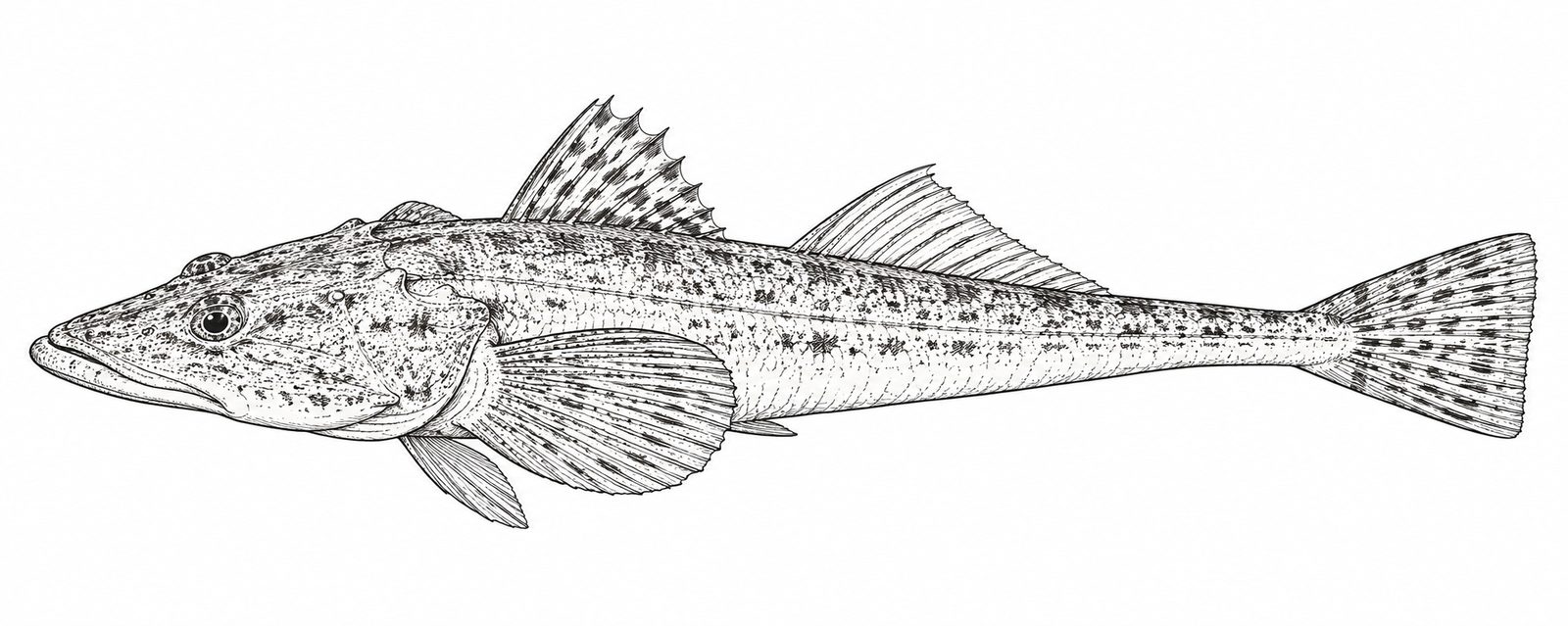
The Torah sets one test for fish in Leviticus 11:9-12 and Deuteronomy 14:9-10: a kosher fish needs fins, and scales that can be removed without tearing the skin. That test checks out for flathead, a bottom-dwelling food fish in the family Platycephalidae, most often sold under names like dusky flathead, sand flathead, tiger flathead, or bar-tailed flathead across Australian and New Zealand markets. A set of dorsal fins covers its top half, and scales cover it fully, ctenoid (the comb-edged kind) along its back and cycloid (the smooth-edged kind) along its belly.
Both are the removable scale types Jewish law recognizes. Compare that to the embedded ganoid scales on a sturgeon, or the tooth-like placoid denticles on a shark, which look like scales but fail the test because they won’t come off clean. Dusky flathead is the species most people mean when they just say “flathead.” Along Australia’s east coast, it’s also one of the most caught recreational fish and a regular on fish-and-chip menus, which makes it a name kosher shoppers in that region run into often, not an obscure species.
Who Confirms Flathead Is Kosher
Biology alone doesn’t settle a kosher question, an agency’s ruling does. When American shoppers search is flathead kosher, the Orthodox Union and the cRc don’t have a direct answer, because neither list calls out flathead by name. That’s mostly because it’s not a fish that shows up in US or Israeli markets, not because anyone disputes it. That silence isn’t a ruling against it, it’s just a list built for a different grocery aisle.
Confirmation comes from the Kashrut Authority (KA), the Sydney-based kosher certification body that covers the region where flathead is actually sold. KA lists it in the common kosher fish section of its consumer fish guide, the specific authority behind the yes. Buying flathead somewhere KA doesn’t certify is a different story. So is working from a hechsher’s list that stays silent on it. Either way, ask your rabbi or the certifying agency to confirm before you buy, the same way you’d check any fish you don’t recognize.
This is also why market names matter more than most people expect. A fish’s common name isn’t a halachic category, the actual species is. Two fish can share a name and land on opposite sides of the kosher line. The clearest example on this page is flathead and its catfish namesake, covered next. Reverse cases exist too, two fish with completely different names that turn out to be the same species sold to different markets. When a ruling depends on the exact animal, not just the label on the price tag, it’s worth a second look before you buy or order.
Don’t Confuse Flathead With Flathead Catfish
This is the trap named in the heading above. This unrelated catfish, scientific name Pylodictis olivaris, is a true catfish, order Siluriformes, native to rivers across the central and eastern United States. Its skin is smooth and scaleless, the trait that rules out every catfish species, so it isn’t kosher. It’s a different fish from a different order on a different continent’s dinner table, and it only shares one word with the flathead covered in this guide. If a menu, a fishmonger, or a recipe just says “flathead,” ask which one, especially outside Australia and New Zealand where the name usually means the kosher fish, not the catfish.
Buying Flathead and When You Need a Hechsher
Searching is flathead kosher mostly answers the species question, but buying it raises a second one: does this particular fish need a hechsher? Whole fresh flathead, with the skin and scales still attached, generally doesn’t. You or your fishmonger can see the fins and the scales for yourself, so the species is easy to verify by sight. Skinned fillets are a different question, and actually the most common way you’ll meet flathead, since it’s a staple of Australian fish and chips. Once the skin and scales are gone, you can no longer confirm the species by eye.
Buy filleted flathead from a kosher fishmonger, or one carrying certification you trust, and treat any breaded or pre-cooked version the same way you’d treat any processed fish, check the packaging for a hechsher before you buy. Smoked or canned flathead gets the same caution, once it’s been through processing equipment, the concern shifts from “which fish is this” to “what else touched it,” and a hechsher covers both questions at once.
Flathead for Shabbat and Holiday Meals
Kosher fish is pareve, flathead included, so it fits into a meat meal or a dairy one without changing the kitchen rules. Many communities still hold a custom of not serving fish and meat on the same plate, so check your own household’s practice if you’re planning a Shabbat or holiday menu. Flathead’s mild white flesh, closer to cod or haddock than anything oily, works well pan-fried, baked, or crumbed, and it’s a natural stand-in anywhere a recipe calls for a mild white kosher fish.
| Fish | Kosher? | Why |
|---|---|---|
| Flathead | ✅ Yes | Fins and ctenoid/cycloid scales that lift off cleanly, and the Kashrut Authority (KA) lists it kosher |
| Flathead’s catfish namesake | ❌ No | A true catfish with no scales at all, unrelated to flathead despite the shared name |
| Sturgeon | ❌ No | Ganoid scales are embedded and can’t be removed without tearing the skin |
| Shark | ❌ No | Placoid scales (denticles) aren’t the kind of scale the Torah requires |
| Cod | ✅ Yes | Fins and easily removed cycloid scales, the OU and cRc both list it kosher |
Check Any Fish with KosherFish
If flathead isn’t the only fish you’re unsure about, you don’t have to look each one up separately. KosherFish’s lookup tool covers flathead and 290+ other species, so you can search a fish by name and get the verdict, the reasoning, and the certifying source in one place. It’s also on the go, the iOS app and the Android app put the same lookup in your pocket for the fish counter or a menu that just doesn’t say enough.
Frequently Asked Questions
Is flathead kosher?
Yes. Flathead has fins and scales that meet the test in Leviticus 11:9-12, ctenoid scales on its back and cycloid scales on its belly, both the removable kind the Torah requires. Sydney’s Kashrut Authority (KA) lists flathead on its roster of common kosher fish.
How does flathead pass the kosher fish test?
Its scales lift off cleanly without tearing the skin underneath, which is what makes a scale count under Jewish law. Fish with embedded or absent scales, like sturgeon or catfish, fail that same test even though sturgeon technically has scales too.
Does flathead need a hechsher?
Fresh whole flathead with the skin and scales still on usually doesn’t, since you or your fishmonger can see the fins and scales yourself. Fillets are different. Once the skin and scales are gone, you can’t verify the species by sight, so buy filleted flathead from a kosher fishmonger or one carrying reliable certification.
What is flathead catfish, and is it the same fish?
No, that’s a completely different animal that just happens to share part of a name. Native to North American rivers, this true catfish, order Siluriformes, has no scales at all, so it isn’t kosher. Here, flathead means the Australian and New Zealand table fish, not the catfish.
Can you find flathead in the United States?
Rarely. Mostly an Australian and New Zealand market fish, flathead is sold fresh or as fillets for dishes like fish and chips. American kosher shoppers are more likely to see it on a menu while traveling than in a US grocery case, which is part of why OU and cRc’s commonly published lists don’t name it specifically.
Is flathead pareve?
Like any kosher fish, flathead is pareve, neither meat nor dairy, so it fits into a meat meal or a dairy one. Many communities still keep a custom of not serving fish and meat on the same plate, so check your own household’s practice.
What does the Kashrut Authority say about flathead?
Kashrut Authority (KA), based in Sydney, includes flathead in the common kosher fish section of its consumer fish list, the specific agency ruling behind the yes, on top of the fins-and-scales biology.
Bottom Line: Flathead Is Kosher
Is flathead kosher? It has fins and the removable ctenoid and cycloid scales the Torah requires in Leviticus 11:9-12, and the Kashrut Authority in Sydney backs that up by name. One thing to watch for is the name itself, its catfish namesake is a different, non-kosher fish that just happens to share a word. Buy whole flathead with the skin on when you can, ask for certification on fillets, and when in doubt, check the full kosher fish list or look it up with the KosherFish tool before you cook it. For more on how the fins-and-scales rule works, read what makes a fish kosher. For the fuller picture on the fish that share flathead’s name trap, see is catfish kosher and the complete guide to kosher fish.