
Sukkot kosher foods follow the same dietary laws as any other week of the year. Leviticus 11 and Deuteronomy 14 don’t loosen or tighten for the holiday. What changes is custom and, for the first two days, the cooking rules of a Yom Tov, not what counts as kosher. If you’re stocking a week of meals for the sukkah and want to check a specific fish before you buy it, look it up on KosherFish in a few seconds.
Sukkot Doesn’t Change the Kosher Rules
Every dish on a Sukkot table has to clear the same bar it would clear on a Tuesday in March. Meat needs to come from a kosher species and be slaughtered and processed correctly. Fish needs fins and scales that can be removed without tearing the skin, the test set out in Leviticus 11:9-12 and Deuteronomy 14:9-10. Dairy and meat still don’t mix, and a processed food still needs a reliable hechsher if you can’t verify its kosher status by looking at it. Sukkot adds meaning and a week of meals eaten outdoors, not new dietary law.
One real legal difference does apply, and it’s about cooking, not ingredients. The first two days of Sukkot (in the Diaspora) are a Yom Tov, a festival day, and Jewish law permits certain melacha for the sake of preparing food for the day itself, a principle called ochel nefesh that Shabbat doesn’t allow at all. You can light a stove from an existing flame and cook a hot meal on Yom Tov in a way you couldn’t on Shabbat. Chol Hamoed, the five days in between, is more permissive still. Food prep has no Yom Tov limits at all during that stretch.
Traditional Sukkot Foods: Stuffed Dishes and the Harvest Table
Sukkot lands at the tail end of the fall harvest, and the food customs lean into that. Stuffed cabbage, stuffed peppers, and dolma (grape leaves wrapped around a rice filling) are Sukkot staples across many communities, meant to evoke a full, overflowing harvest basket. Kreplach, dumplings filled with meat or cheese, are customary specifically on Hoshana Rabbah, the seventh and final day of the holiday. None of this is kashrut law, it’s custom the same way apples and honey are custom at Rosh Hashanah. Kosher meat needs a hechsher on the slaughter, and any packaged filling, wrapper, or soup mix that isn’t made from scratch needs one too.
A typical Sukkot dinner menu looks like any other festive family dinner, just stretched across a week of guests. Roast chicken or turkey is a common main in many Ashkenazi households, while salmon or another pareve fish works well as a lighter option that doesn’t compete with a dairy course. Rice, couscous (especially in Sephardic homes), and a challah round out the table. None of these choices carry any special kashrut weight, they’re menu habits, not law, so swap in whatever fits your family and your guest list for the week.
If you’re planning meals for a full week of guests, favor serving dishes that reheat well. A big bowl of a classic comfort dish like stuffed cabbage holds up better over a long outdoor meal than something plated at the last minute, and a sweet ending like honey cake keeps the festive mood going after the main course. For specific recipes beyond the basics here, Chabad.org and Kosher.com both publish large Sukkot recipe collections.
Fish on the Sukkot Table
A week of meals in the sukkah favors dishes that hold up and travel from the kitchen. Fish is pareve, so it fits any meal without a dairy or meat conflict, and a whole fish or a platter of gefilte fish can be made ahead and served cold or reheated. Gefilte fish is traditionally ground from whitefish and pike, sometimes carp, blended and poached, which is exactly why you need to verify the fish before grinding it: once someone fillets and processes a fish, you can no longer confirm the species by looking at the fins and scales. Buy processed fish products from a kosher fishmonger or a brand carrying a reliable hechsher, and if you’re buying a whole fish yourself, check the species against the full kosher fish list before it goes in the pot.
Which Sukkot Kosher Foods Need a Hechsher
Most Sukkot kosher foods need no more certification than they would any other week. Whole, fresh, unprocessed foods rarely need it because you can verify them yourself: a whole fish with its fins and scales intact, a fresh vegetable for the stuffed-cabbage filling, a piece of fruit for the harvest table. Certification starts to matter the moment someone processes or blends a food, or you can’t confirm what went into it by looking. Kiddush wine is the clearest case: Sukkot is a Yom Tov, so you need kiddush over wine or grape juice, and kosher wine carries its own production rules from the grapes through the bottling, which is why the Orthodox Union (oukosher.org) and other agencies certify it specifically. Packaged dumpling wrappers, canned harvest vegetables, soup mixes, and gefilte fish all fall into the same bucket. Check the label, don’t assume.
| Food | Custom or Law? | What to Know |
|---|---|---|
| Stuffed cabbage or peppers | Custom | Meat needs a kosher slaughter hechsher. Packaged rice or soup mix used in the filling may need one too. |
| Kreplach (Hoshana Rabbah) | Custom | Check both the wrapper and the meat or cheese filling for certification if store-bought. |
| Whole fish | Custom | ✅ Usually no hechsher needed. The species must still be kosher, fins and removable scales, confirm it before you buy. |
| Gefilte fish or fish fillets | Custom | ⚠️ Check the label. Once fish is ground or filleted, the species can’t be verified by sight. |
| Wine or grape juice | Law (kiddush requirement) | ✅ Needs a hechsher. Kosher wine has specific production and handling rules. |
| Eating meals in the sukkah | Law (mitzvah of the holiday) | Not a food rule, but it governs where bread meals happen for the week. |
Eating in the Sukkah: The Law Behind the Meal
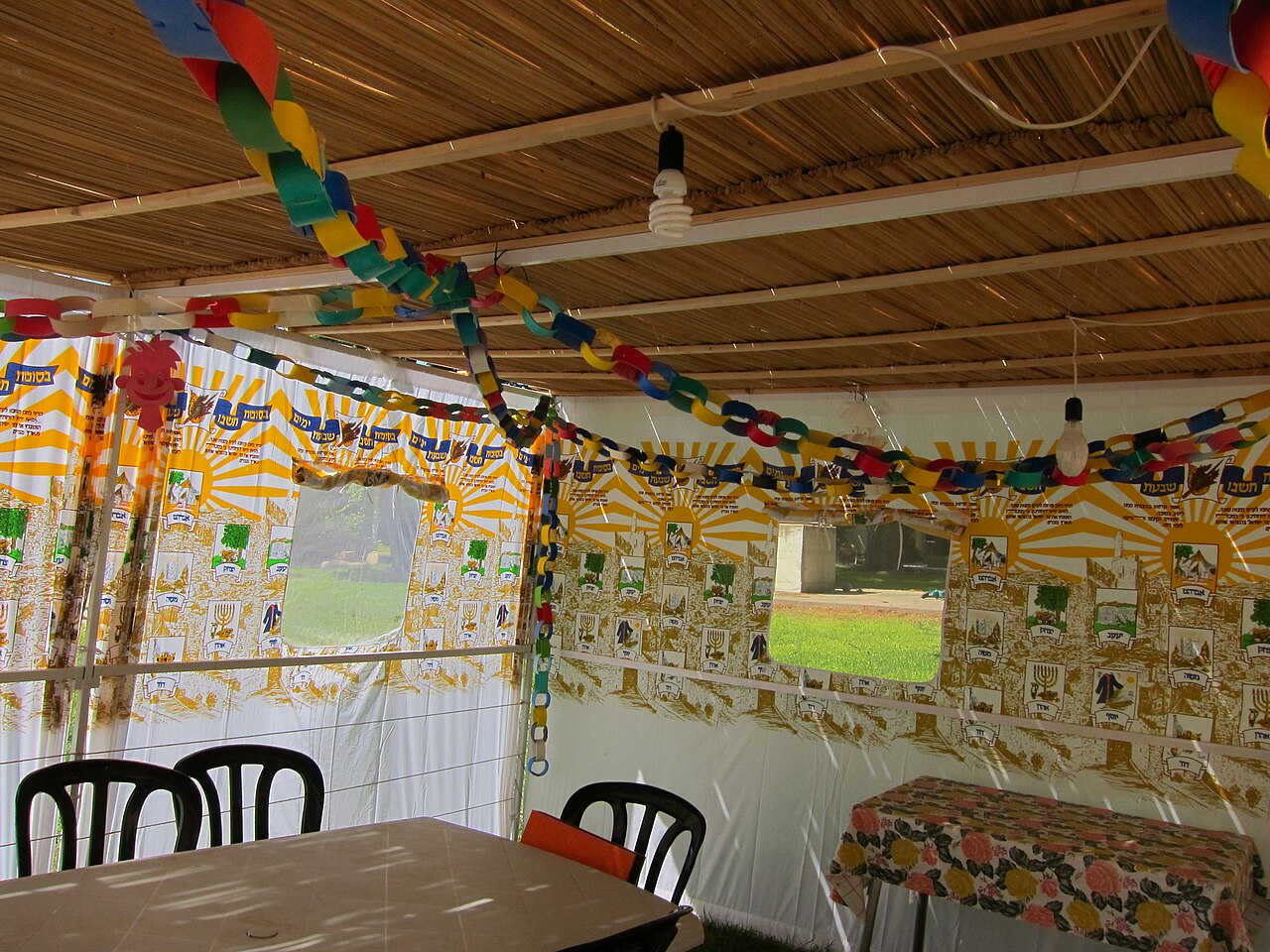
Sukkot’s defining law isn’t about the food at all, it’s about where you eat it. Leviticus 23:42-43 commands living in temporary booths for seven days, and in practice, tradition holds that any meal built around a k’zayit of bread happens in the sukkah for the length of the holiday. That’s a separate mitzvah from kashrut, but it shapes the menu in practice: dishes that travel well from the kitchen, hold their temperature, and don’t need last-minute plating tend to win the week, which is a large part of why stuffed dishes, cold fish, and make-ahead soups are so traditional.
Check Any Fish with KosherFish
If Sukkot has you cooking for a full week of guests, you’ll likely buy more fish than usual, and buying it right means knowing the species before it hits the cart. You can look up any of 291 species on the KosherFish list, or check a fish at the counter or on a menu with the iOS app or the Android app. It takes a few seconds and saves you a return trip.
Frequently Asked Questions
Are there special kosher rules for Sukkot?
No. Sukkot kosher foods follow the same kashrut law as any other week. Meat still needs kosher slaughter, fish still needs fins and removable scales (Leviticus 11:9-12), and dairy and meat still don’t mix. The one real difference is that Sukkot is a Yom Tov, a festival day, so Jewish law permits cooking and certain food prep from an existing flame that Shabbat doesn’t allow.
What foods are traditionally eaten on Sukkot?
Stuffed foods lead the table: stuffed cabbage, stuffed peppers, and dolma, symbols of a full harvest basket. Kreplach, dumplings filled with meat or cheese, show up on Hoshana Rabbah, the seventh day, as a custom. None of this is a legal requirement, it’s custom, the way apples and honey are custom on Rosh Hashanah, not a kashrut rule for the holiday.
Can you cook on Sukkot?
Yes, with a distinction. On the first two days (Yom Tov), you can cook and light a stove from an existing flame for the sake of the holiday meal, the same ochel nefesh allowance that applies on Rosh Hashanah, but Shabbat-level restrictions still cover everything else. On the five Chol Hamoed days in between, you can prepare food freely, even work that takes real effort.
Do people eat fish on Sukkot?
Many do. A pareve main course is easy to prepare ahead for a week of meals in the sukkah, which is why whole fish and gefilte fish (traditionally whitefish and pike, sometimes carp) show up often. Any fish you serve still has to be a kosher species, fins and removable scales, so check it on KosherFish before you buy if you’re not sure.
Does Sukkot wine need a kosher certification?
Yes, the same as any other day. Kiddush over wine or grape juice is a Yom Tov requirement, and kosher wine carries its own production rules, from the grapes to who handles the bottle, that a hechsher confirms. The Orthodox Union (oukosher.org) is one of several agencies that certify kosher wine production start to finish.
What is Chol Hamoed and does it change the kosher kitchen?
Chol Hamoed is the five intermediate days of Sukkot, between the Yom Tov opening and Hoshana Rabbah. It isn’t a full festival day or a workday, it’s in between. You can prepare food without the Yom Tov limits, so a Chol Hamoed kitchen runs closer to normal, just still bound by every standard kashrut rule.
What do you do with the etrog after Sukkot?
A widespread custom, especially in Sephardic communities, turns the etrog into jam once the holiday ends, so the mitzvah fruit doesn’t go to waste. Some instead stud it with cloves and dry it for havdalah spices. Neither use is a kashrut requirement, they’re customs for treating a mitzvah object with care.
The Bottom Line
Sukkot kosher foods are, in the end, ordinary kosher foods served with extra custom and a week of meals outdoors. The Yom Tov cooking allowance and the mitzvah of eating in the sukkah are real legal differences, but fins-and-scales, kosher slaughter, and the need for a hechsher on processed food never take a holiday. When you’re not sure about a species, look it up on KosherFish or check the full kosher fish list, and keep the iOS or Android app handy at the store. For more on how the holidays and the kosher fish rules fit together, see Rosh Hashanah Kosher Foods, Kosher Fish for Jewish Holidays, and Is Gefilte Fish Kosher.