Kosher vs halal comes down to this: both are religious food laws that ban pork and require a trained, ritual slaughter, but they are not the same system. Kosher follows Jewish law and halal follows Islamic law. A kosher label does not make a food halal, and the other way around. The biggest practical gaps are alcohol, meat and dairy, and seafood. For fish, you can check any species in seconds with the KosherFish lookup tool.

What Is the Difference Between Kosher and Halal?
Kosher (kashrut) comes from the Torah and the rabbinic tradition built on it. Halal means “permissible” in Arabic and comes from the Quran and the Sunnah, the recorded practice of the Prophet Muhammad. Each has its own list of forbidden foods, its own slaughter rules, and its own certifiers. They overlap on a few big points, so people often assume they match. They don’t.
Chabad.org sums up the kosher side this way: the Torah permits only animals that “have split hoofs” and “chew their cud,” which excludes the pig, horse, and rabbit. Halal has no such test for land animals. The Quran forbids carrion, blood, and pork (Quran 2:173 and 5:3), and it bans intoxicants (Quran 5:90).
Kosher vs Halal at a Glance
We put the points people ask about most in one table, with the details in the sections below. Where Muslim scholars hold more than one view, we say so.
| Topic | Kosher | Halal |
|---|---|---|
| Pork | ❌ Banned (Leviticus 11:7) | ❌ Banned (Quran 2:173, 5:3) |
| Blood | ❌ Banned (Leviticus 17:10-14). Cooks salt the meat and roast liver | ❌ Banned (Quran 6:145). The slaughterer drains the blood |
| Slaughter | Only a trained shochet (a Jew), with a blessing | Any sane Muslim who knows the method, with God’s name said over each animal. Scholars differ on Jewish and Christian slaughterers |
| Alcohol and wine | ⚠️ Allowed. Grape wine needs Jewish supervision | ❌ Intoxicants banned (Quran 5:90) |
| Meat with dairy | ❌ Banned (Exodus 23:19, Deuteronomy 14:21) | ✅ No such rule |
| Seafood | Fish need fins and scales. Shellfish and eels are out | ⚠️ Differs by school. Most Sunni schools accept all sea creatures, Hanafi limits it to fish |
| Camel | ❌ Not kosher (Leviticus 11:4) | ✅ Halal |
| Certifiers | Rabbinic agencies such as the OU, cRc, and Star-K | Halal certification bodies |
Slaughter: Shechita vs Dhabiha
Both systems call for a swift cut to the throat and draining the blood. They differ on who cuts and what they say. Kosher slaughter, called shechita, needs a shochet. Chabad.org describes this person as “a qualified Jew” who knows all the laws of shechita. Halal slaughter, called dhabiha, is different. The American Halal Foundation says “any sane Muslim, male or female,” who knows the process can do it.
The words differ too. The American Halal Foundation says halal slaughter calls for God’s name on each animal. By its account, a shochet can say one blessing that covers the whole day’s slaughters. After slaughter, kosher meat gets a second layer of rules. A kosher kitchen removes the blood by soaking and salting the meat, and roasts liver over an open flame, according to Chabad.org. We walk through the full process in our guide to what is shechita.
Can Muslims Eat Kosher Meat?
Muslim scholars do not agree on this one. Quran 5:5 says “the food of those who were given the Scripture is lawful for you,” and many scholars read that as covering meat slaughtered by Jews. Yusuf al-Qaradawi permits Muslims to eat meat that Jews and Christians slaughter. Abul A’la Maududi accepted it only when the slaughterer says God’s name. Sound Vision quotes Shaikh Al Phahim Jobe, who says supermarket meat is not halal unless someone slaughters it the Islamic way.
So there is no single answer. Many Muslims accept kosher meat, and others require a halal certificate. If this affects your table, ask your own imam or scholar. This site explains the kosher side and cannot rule on the halal side.
Alcohol and Wine: The Clearest Split
Alcohol is the one point where kosher food clearly fails the halal test. Kashrut allows alcohol and uses wine for Kiddush on Shabbat, as long as rabbis supervise the wine. Chabad.org says wine “must be under Rabbinical supervision and have a Hechsher.” Islam forbids intoxicants outright (Quran 5:90). The American Halal Foundation puts it this way: kosher certification is “not a proxy for Halal status.” See our guide on whether wine is kosher for why grape wine gets extra rules.
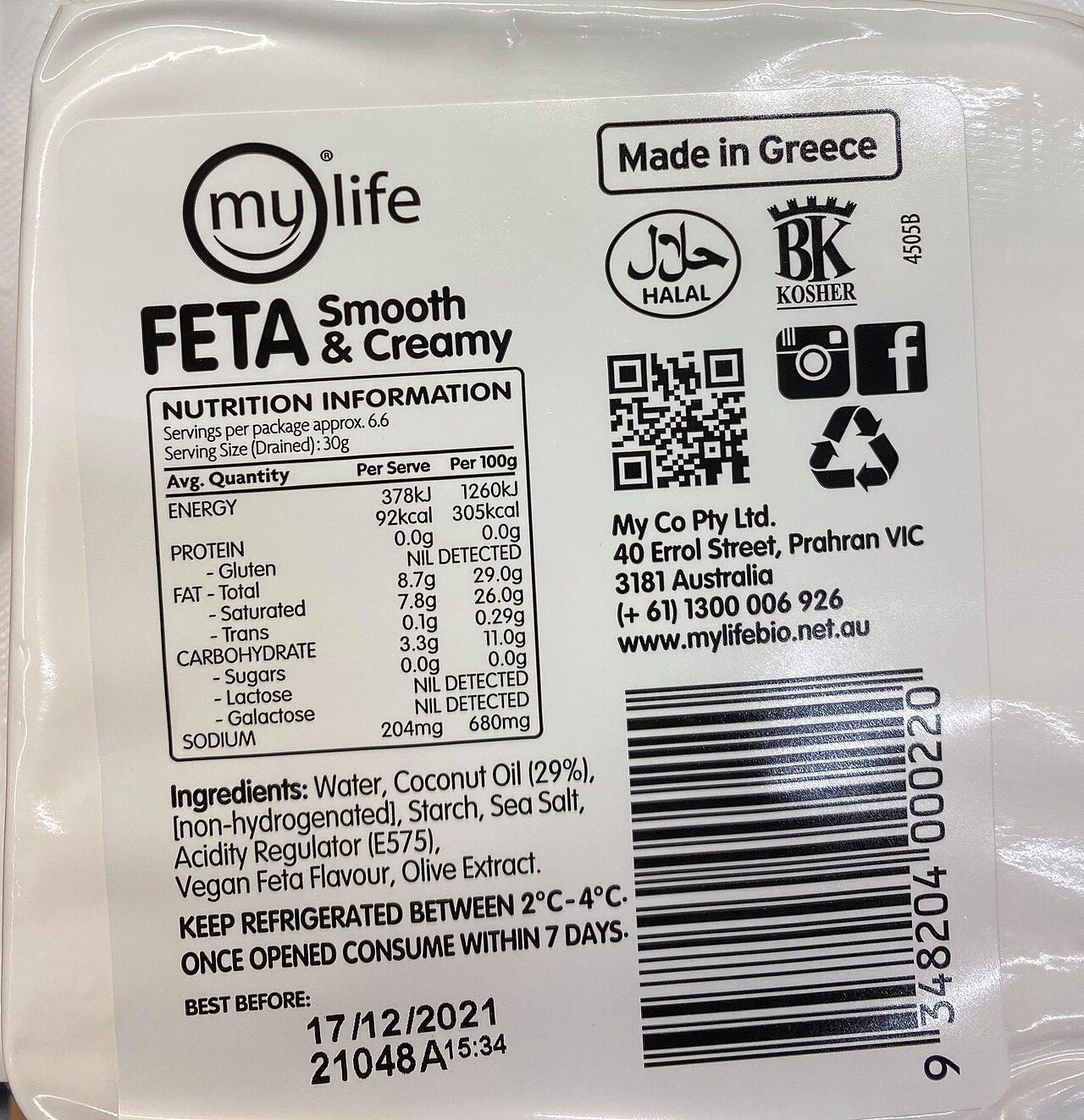
That matters at the store. A product can carry an OU symbol and still contain alcohol, vanilla extract being a common case. A Muslim shopper should check the ingredients and not rely on the kosher symbol alone.
Meat and Dairy: A Kosher Rule With No Halal Twin
Kosher law keeps meat and milk apart. Chabad.org lists three Torah prohibitions: eating them together, cooking them together, and benefiting from the mixture. Observant kitchens keep two sets of dishes and wait between meat and dairy, in many homes six hours after meat. The sources are Exodus 23:19 and Deuteronomy 14:21, which forbid boiling a kid in its mother’s milk. Halal has no matching rule, so a halal cheeseburger is fine and a kosher one is not. We cover the waiting times in our post on eating meat and dairy together.
Seafood and Fish: Where KosherFish Comes In
Kosher fish must have fins and scales. That comes from Leviticus 11:9-12 and Deuteronomy 14:9-10, and it rules out shrimp, crab, lobster, clams, oysters, and eels. Chabad.org lists shellfish, prawns, crab, and eels as not kosher. Halal is looser here, and the schools differ. Reference works on the topic report that most Sunni schools accept all sea creatures as halal, while the Hanafi school limits it to fish, and Twelver Shia accept only scaled sea creatures with an exception for shrimp and prawns.
So a halal-friendly seafood dish is often not kosher. Shrimp is the classic case. A kosher fish has fins and scales, so it also passes the Hanafi fish-only rule and the Shia scales rule. Ask an imam about any other halal condition. Fish is what this site knows best, and you’ll find 290+ species on the kosher fish list.
Gelatin, Cheese, and Hidden Ingredients
Both systems care what goes into a food, and both watch gelatin closely. Kosher-certified gelatin comes from kosher fish or kosher-slaughtered cattle, and some makers use a plant gel such as agar instead. The American Halal Foundation says halal gelatin “must be sourced from a Halal-harvested animal.” It also warns that marshmallows and yogurts with kosher symbols are not automatically halal. For the kosher side, read our gelatin guide.
Cheese is another split. OK Kosher requires kosher rennet and a Shabbat-observant Jew taking part in making the cheese, even when the rennet is microbial. Muslim shoppers check where the cheese enzymes come from, and the American Halal Foundation treats an enzyme from pigs as haram. We cover the kosher details in our guide to kosher cheese.
Check Any Fish with KosherFish
If you keep kosher and you shop for fish, you do not have to memorize any of this. You can look up any fish and 290+ others on the KosherFish list, or check a fish at the counter with the iOS app or the Android app. Use the lookup tool for the kosher question only. For halal status, ask a halal certifier.
Frequently Asked Questions
Is kosher the same as halal?
No. Kosher follows Jewish law and halal follows Islamic law. Both ban pork and require ritual slaughter, but they differ on alcohol, meat and dairy, and seafood. The American Halal Foundation states that kosher certification is not a proxy for halal status.
Can Muslims eat kosher food?
Often, but not always. Quran 5:5 permits the food of the People of the Book, and scholars like Yusuf al-Qaradawi accept kosher meat. Others, including Maududi, add conditions about God’s name at slaughter. Kosher food with alcohol is never halal. Ask your own scholar about any case you doubt.
Can Jews eat halal food?
No, not unless it is also kosher. Halal slaughter by a Muslim is not shechita, which needs a Jewish shochet. Halal food also has no meat and dairy separation. An observant Jew needs a reliable kosher certification such as the OU, cRc, or Star-K.
Is kosher meat halal?
Many Muslims accept it, and some do not. Scholars disagree about whether Jewish slaughter meets halal conditions. Sound Vision lists views from Qaradawi, who permits it, to Jobe, who says supermarket meat is not halal unless a Muslim slaughters it the Islamic way. Check with your own imam.
Is seafood kosher and halal?
Not always both. Kosher requires fins and scales, so shrimp, crab, and lobster are out. Most Sunni schools accept all sea creatures as halal, the Hanafi school limits it to fish, and Twelver Shia accept scaled sea creatures with an exception for shrimp and prawns.
Is wine kosher but not halal?
Yes. Jews drink kosher wine for Kiddush on Shabbat and holidays, while Islam forbids all intoxicants (Quran 5:90). Chabad.org says wine needs rabbinical supervision and a hechsher to be kosher. A kosher wine is therefore never halal, and neither is kosher beer or whiskey.
Which is stricter, kosher or halal?
Neither is simply stricter. Kosher is stricter on animals, shellfish, and meat with dairy. Halal is stricter on alcohol. Slaughter rules are strict in both, which is why people ask the question. Pick the certification that matches your own religious law.
The Bottom Line
Kosher vs halal comes down to two separate legal systems that share a few rules. Both ban pork and demand ritual slaughter. Kosher adds the meat and dairy rule and a fins-and-scales test for fish, and halal bans alcohol. Neither label proves the other. For fish, start with the kosher fish list and the lookup tool, keep the iOS or Android app handy, and read our guides to kosher dietary laws and what the OU symbol means. For anything you are unsure about, ask your own rabbi, imam, or a reliable certifier.