
Is bream kosher? Yes, in most cases. Both the freshwater bream and the saltwater sea breams have fins and scales that lift off without tearing the skin, which meets the Torah’s test. The catch is that “bream” names several unrelated fish, and one major certifier, Star-K, tells consumers not to use bream or porgy because of Anisakis worms, even though the fish pass the scales test. You can look up bream or any of 290+ other species before you buy, or browse the full kosher fish list.
Why Bream Passes the Fins-and-Scales Test
The Torah sets one test for fish. A kosher fish needs both fins and scales, as Leviticus 11:9-12 and Deuteronomy 14:9-10 lay out. The Orthodox Union (OU) adds the practical detail: the scales must come off easily by hand or with a knife, without tearing the skin. Scales embedded in the skin, or too small to see, don’t count.
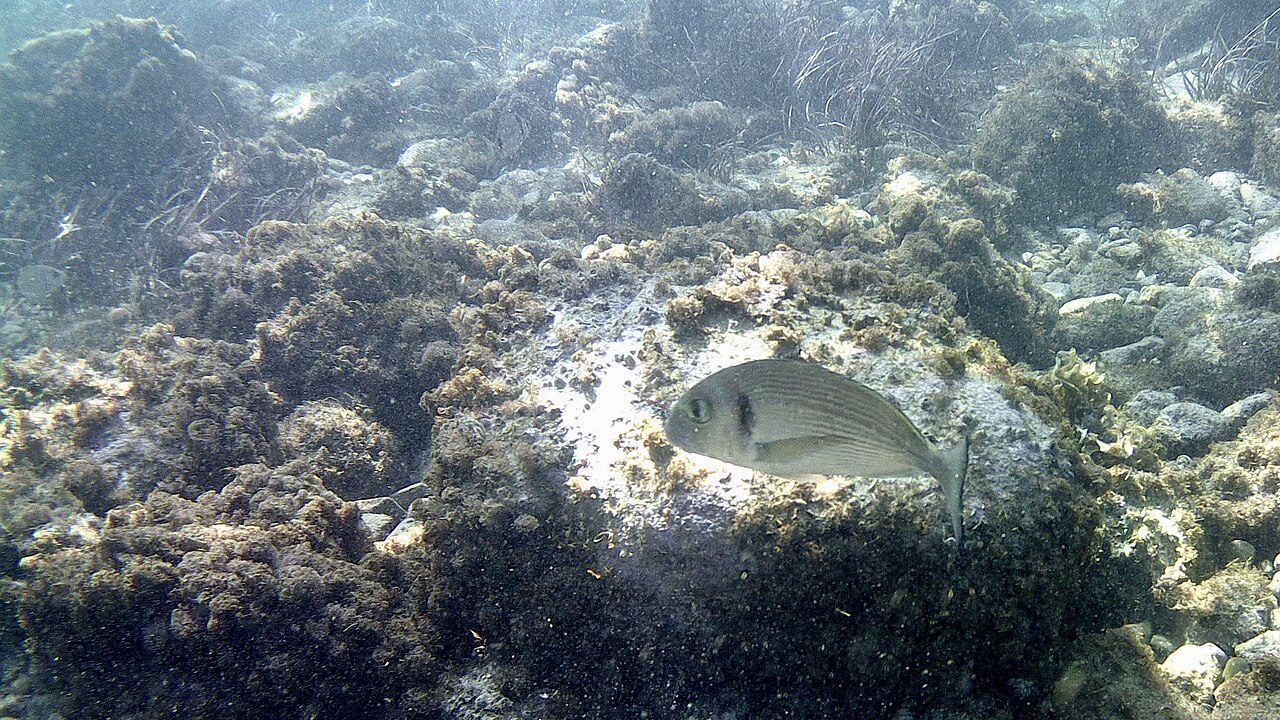
Bream fits that rule. The common bream (Abramis brama) is a European freshwater fish in the carp order, and carp have the removable scales the rule asks for. The saltwater breams belong to the family Sparidae, which fish guides call “porgies and sea breams.” Chabad.org’s Kosher Fish List, which Chabad reprints with permission of the Orthodox Union, includes that whole family. On KosherFish, we list both the bream and the sea bream as having fins and scales.
What the Kosher Authorities Say About Bream
Chabad.org doesn’t give bream a verdict of its own on its Kosher Fish List, which it reprints from the Orthodox Union. Under “Bream,” Chabad sends you to three groups: carps, Atlantic pomfret (also called Ray’s bream), and porgies. All three sit on the kosher list. The carps entry names the freshwater breams (Abramis and Blicca species), and the porgies entry covers “porgies and sea breams (Family Sparidae).” In its editor’s note, Chabad says it wants to give readers “an idea” of which fish most authorities hold kosher, and it calls common fish names “very inaccurate.” Use it as a starting point, not a ruling.
Star-K gives a narrower answer. In its Anisakis fish policy, updated July 16, 2025, Star-K tells consumers not to use bream or porgy, fresh, frozen, or canned, “even with hashgacha.” Star-K says the lists only clarify its policy on fish that may carry Anisakis worms. That makes it a parasite rule, and it leaves the scales question alone. The same policy approves farm-raised “Dorado/Sea Bram” without inspection. Star-K also accepts all fish under the Volover Rov (the Gefen brand) and several brands under the cRc.
So the authorities don’t disagree about the scales. They differ on which fish you can use once parasites enter the picture. If your household follows Star-K, skip bream and porgy unless the fish is farm-raised sea bream or comes from one of the brands Star-K accepts. If you follow another authority, ask which standard it applies. Your own rabbi has the final say.
Is Bream Kosher in Every Form? A Quick Status Table
| Fish | Kosher? | Why |
|---|---|---|
| Common bream (freshwater) | Yes | Carp-order fish with fins and removable scales. Chabad.org’s list points bream to the carps. |
| Sea bream and porgies (Sparidae) | Yes | Chabad.org’s list includes the family. Star-K bars bream and porgy over Anisakis, except farm-raised sea bream. |
| Farm-raised dorado (sea bream) | Yes | Star-K lists farm-raised “Dorado/Sea Bram” as approved without inspection. |
| Ray’s bream (Atlantic pomfret) | Yes | A different family (the pomfrets), but Chabad.org’s list includes Atlantic pomfret. |
| Fillets with no skin | Check | You can’t verify the species or scales once the skin is gone. Look for certification. |
Freshwater Bream vs Sea Bream: Two Different Fish
The word “bream” covers two groups that share a name and little else. The common bream lives in lakes and slow rivers across Europe and sits in the carp order. Sea breams live in coastal salt water, and the gilt-head bream is the one you’re most likely to see at a fish counter. Both groups carry true scales, so both pass the Torah’s test. Still, know which one you’re holding. Chabad.org files them under different entries, and Star-K treats farmed sea bream differently from other bream.
The overlap with carp matters if you cook Ashkenazi dishes. Readers who already know that carp is kosher can apply the same reasoning to the common bream. Chabad.org lists the freshwater breams right inside its carps entry.
How to Check the Scales Yourself at the Counter
Ask to see the whole fish and look for scales across the body. Then press a thumbnail against one near the tail and lift. A kosher scale peels away without tearing the skin, as the OU describes. If the fishmonger has already scaled it, ask to see a piece of skin with scales still attached. If you buy fillets, ask the fishmonger to leave a patch of scaled skin on each piece so you can still show the fish was kosher.
Take a moment to ask the seller for the species name, not only the market label. A good fishmonger will give you the Latin name, such as Sparus aurata, and with it you can sort out most look-alikes.
Market Names and Look-Alikes to Watch
Shoppers meet bream under many labels. Dorade, daurade, and orata usually mean the gilt-head bream (Sparus aurata), a sea bream. Porgy and scup are other sea breams. Sargo and the Atlantic sheepshead are also porgies, though Chabad.org points “sheepshead” to both porgies and wrasses, so ask which fish you have. KosherFish lists them on the porgies and sea breams page.
Ray’s bream sounds like a sea bream but belongs to a different family, the pomfrets. Chabad.org’s list still includes it, as Atlantic pomfret. The bigger trap is the bare word “bream” on a label, since it could mean a carp relative, a pomfret, or a porgy. The Chabad.org editor’s warning about inaccurate common names fits bream better than most fish. When the name is all you have, ask for the scientific name.
Does Bream Need a Hechsher?
Whole bream with the skin and scales attached generally doesn’t need a hechsher, because you can see the signs yourself. A fillet is another story. Once the skin comes off, nobody can confirm the species, and a buyer has to trust the label. With smoked, canned, or marinated bream, you’re back to the usual processing questions about shared equipment and additives. Read more about when fish needs a hechsher. For fillets, look for a hechsher from an agency you trust.
At a restaurant, ask for the fish whole or look for certification on the menu. “Dorade” on a menu is usually a sea bream, and a Star-K household would want to know if it’s farm-raised.
Buying and Cooking Kosher Bream
Ask the fishmonger to leave the skin on and scale the fish in front of you. Whole gilt-head bream roasts well with lemon and herbs, and it suits a Shabbat table. Fish is pareve, so you can serve it at a dairy or meatless meal. Jewish law does draw one line. Star-K explains that the Talmud (Pesachim 76b) calls eating fish and meat together unhealthy, so kosher homes serve fish as its own course. Star-K permits both on the same table at the same time. See our guide to the best kosher fish for a Shabbat dinner.
Check Any Fish with KosherFish
If a label says bream and you aren’t sure which fish it means, check it. You can search bream and 290+ other species with the KosherFish lookup tool, or scan the kosher fish list for each one’s fins and scales status. At the counter, you can run the same lookup in the iOS app or the Android app. KosherFish is a lookup tool, not a posek, so bring any doubt to your rabbi.
Is Bream Kosher? Your Questions Answered
Is bream kosher?
Bream is generally kosher. Both the freshwater bream and the saltwater sea breams have fins and scales that lift off without tearing the skin. Chabad.org’s Kosher Fish List, reprinted from the OU, includes them. Star-K tells consumers not to use bream or porgy because of Anisakis worms, so check your own certifier’s standard.
Is sea bream kosher?
Sea bream is kosher by the fins-and-scales test. These fish belong to the family Sparidae, which Chabad.org’s Kosher Fish List includes. Star-K approves farm-raised dorado, also called sea bream, without inspection, but it bars other bream and porgy over Anisakis worms.
Is dorade kosher?
Menus use dorade for the gilt-head sea bream, which has fins and scales. It passes that test. Star-K lists farm-raised Dorado as approved without inspection. Confirm the species and whether the fish is farm-raised, because a Star-K household treats the two differently.
Why does Star-K say not to use bream?
Star-K bars bream for parasites, not scales. In its Anisakis policy, Star-K tells consumers not to use bream or porgy, “even with hashgacha,” because those fish may carry Anisakis worms. Star-K says the policy covers only that parasite question. None of the sources here says bream lacks kosher scales, and Star-K still approves farm-raised sea bream.
Is Atlantic pomfret a true bream?
No. Atlantic pomfret, sold as Ray’s bream, belongs to a different family from the sea breams. Chabad.org’s Kosher Fish List gives it a separate entry and includes it among kosher fish. Because “bream” covers so many species, confirm the scientific name before you buy.
Does bream need a kosher certification?
Whole bream with skin and scales attached generally needs none. You can inspect the fins and scales yourself. Fillets, smoked fish, and restaurant dishes are different. Once the skin is gone you can’t verify the species, so look for a trusted certification.
Is bream pareve?
Kosher fish like bream is pareve. That makes it neither meat nor dairy, so you can serve it with a dairy meal. Fish and meat are different. Star-K explains that the Talmud calls eating them together unhealthy, so kosher homes serve fish as a separate course. Ask your rabbi about your own household’s practice.
The Bottom Line
Is bream kosher? Yes. Bream and sea bream have fins and removable scales, and Chabad.org’s Kosher Fish List includes them. Star-K bars bream and porgy because of Anisakis worms, though it approves farm-raised dorado. Watch the look-alikes. Buy whole when you can. Ask your rabbi about anything you’re unsure of.
Browse the full kosher fish list, read the bream species page, or use the lookup tool. Get the iOS or Android app for the fish counter. Related reading: what makes a fish kosher, is sea bass kosher, and is carp kosher.