Is hoki kosher? It depends which source you ask. One certifying agency lists hoki as kosher. A widely used kosher-fish reference lists it as not kosher. So the honest answer is that the sources disagree, though both sides agree on the fins. The dispute is over hoki’s scales, tiny and deciduous, meaning the fish sheds them as it grows. You can look up hoki and 290+ other species with the KosherFish tool to see where it stands, and the rest of this guide explains why the answer isn’t a clean yes or no.
The Fins and Scales Rule
Leviticus 11:9-12 sets the test for kosher fish, repeated in Deuteronomy 14:9-10: a fish needs both fins and scales. In practice this is a two-part check, and the scales part is the stricter one. Halacha requires kaskeset, scales that can be peeled off the skin by hand or with a knife without tearing it. A shark’s placoid denticles don’t count. Neither do a sturgeon’s embedded ganoid plates, or catfish skin, which has no scales at all. KosherFish’s what makes a fish kosher guide covers the full rule and how it applies across species.
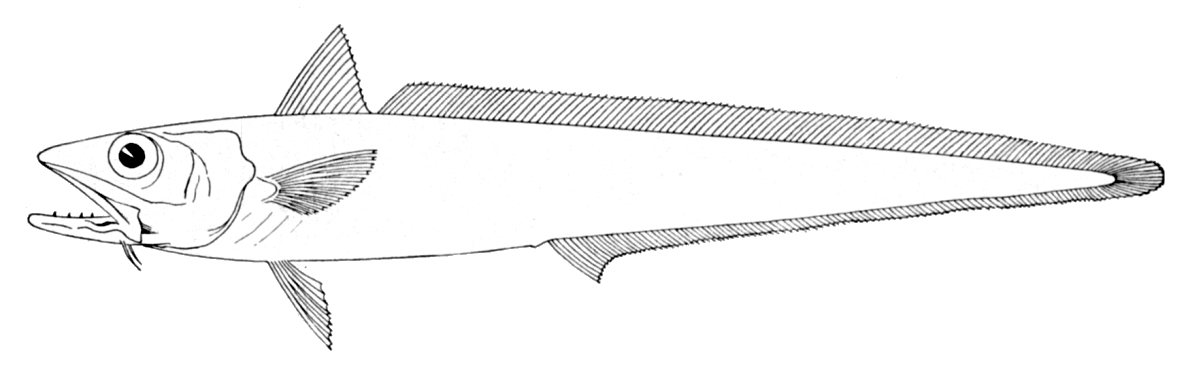
Hoki (Macruronus novaezelandiae) clears the fins half easily. It has a short spiked first dorsal fin, plus long second dorsal and anal fins that run to the tip of its tail. Scales are where the case gets complicated.
Why Hoki’s Scales Are the Problem
Hoki has scales, but they’re tiny and deciduous. Ichthyology sources describe its skin as smooth and shiny, covered in scales small enough that the fish reads as nearly bare. Those scales shed over the fish’s life instead of staying fixed in place the way a salmon’s or a carp’s do. That single fact is why “is hoki kosher” isn’t a simple checkbox question.
A fish whose scales come and go raises a question that shows up with a handful of other borderline species. Does the halachic test look at the scales a fish is born with? The scales it has at some point in its life? Or only the scales actually present on the fish in your hand? Credentialed authorities land in different places on that question, and hoki is one of the species where the split shows.
Who Says Hoki Is Kosher
The Kashrut Authority, the Orthodox certification body serving Australia and New Zealand, lists both “Hoki” and “New Zealand Hoki” on its published fish list, with “Blue Grenadier” as a separate entry for the same species. This matters because hoki is a major commercial catch in Australian and New Zealand waters. The certifying body closest to where the fish is actually caught and sold has already weighed in with a kosher ruling.
Who Says Hoki Is Not Kosher
The other half of this question comes from a source that says no. Kashrut.com, a long-maintained consumer kosher-fish reference, places hoki (listed under its other common name, blue hake) on its list of non-kosher fish. Its own editorial note on that entry flags the disagreement directly, pointing out that Kosher Australia classifies the same fish as kosher. That’s a rare case of a source documenting the machloket in its own listing instead of picking a side silently.
No specific published ruling on hoki turned up from the Orthodox Union, the Chicago Rabbinical Council (cRc), Star-K, OK Kosher, or Kof-K. Hoki is mostly sold in Australia, New Zealand, the UK, and continental Europe rather than the United States. That likely explains why the US-based agencies haven’t published a specific call on it.
Given a genuine split between a recognized certifying agency and a widely used reference list, and no ruling yet from the major US agencies, naming both positions is the responsible answer here, not picking one. Households that follow Kosher Australia’s hashgacha can treat hoki as kosher. A stricter reading, or a certification that treats deciduous scales as disqualifying, points the other way, so check with your own rabbi or hechsher before you decide either way.
Blue Grenadier, Blue Hake, and the Other Names on the Label
Hoki sells under more names than almost any fish on this site. New Zealand and most export markets call it “hoki.” Australia usually calls it “blue grenadier.” Older references and some European labels use “blue hake” or “New Zealand whiptail.” All four names point to the same species, Macruronus novaezelandiae, so the kosher question and the answer above apply no matter which one is on the package. Check the species carefully, because an unfamiliar name is exactly the kind of thing that leads a shopper to assume they’re looking at a different fish entirely.
A whole hoki you could inspect yourself rarely reaches a home kitchen. This is one of the most heavily fished whitefish species in the world, and most of the catch goes into frozen fillets, breaded fish fingers, fast-food fish sandwiches, and surimi, the processed base for crab-style seafood sticks and other formed products. None of those forms let you see fins or scales at all, so “checking” a hoki product means something different than checking a fish on ice.
Buying Hoki: Why Certification Does the Real Work Here
Whole fresh fish with the skin and scales visible lets you apply the fins-and-scales test yourself. Hoki almost never gives you that option, since it’s sold as fillets, frozen blocks, fish fingers, or surimi far more often than whole. Once the fish is processed, you’re trusting a label and a supervision mark, not your own eyes, and that’s true even before the underlying scales dispute enters the picture.
Put those two facts together and hoki becomes a species where a hechsher, not a personal read of whether hoki is kosher, does the real work. A hoki product with a reliable kosher certification already has that call made for its own standard. Without one, you’re relying on species identification and a scales debate you can’t verify from a fish stick.
Hoki isn’t alone in being sold this way. Alaska pollock fills a similar role in frozen fillets and surimi, and every major kosher agency lists it as kosher without dispute. KosherFish’s is pollock kosher guide covers why it’s the safer, uncontested choice for the same kind of mild whitefish product, minus the hoki question.
Hoki and Common Whitefish Substitutes, Compared
| Fish | Kosher? | Why |
|---|---|---|
| Hoki / Blue Grenadier | ⚠️ Check | Fins yes, but tiny deciduous scales split the authorities. Kosher Australia says kosher, kashrut.com’s list says not, no major US agency has published a ruling |
| Alaska Pollock | ✅ Yes | Standard fins and removable scales, listed kosher by the OU and cRc, no dispute |
| Atlantic Cod | ✅ Yes | Standard fins and removable scales, a classic uncontested kosher whitefish |
| Haddock | ✅ Yes | Same cod family, fins and removable scales, uncontested |
| Swordfish | ⚠️ Contested | Has scales only as a juvenile, adults lose them. Orthodox agencies (OU, cRc, Star-K) rule not kosher, the Conservative movement’s 1966 ruling permits it |
Check Any Fish with KosherFish
A genuine dispute like hoki’s is exactly why it helps to check before you buy instead of guessing from the label. Look up hoki, its 290-plus relatives on the full kosher fish list, or any fish in front of you with the KosherFish lookup tool. The iOS app and Android app put the same lookup in your pocket for the fish counter or the freezer aisle, right where a name like “blue grenadier” is most likely to catch you off guard.
Frequently Asked Questions
Is hoki kosher?
It depends which source you follow. The Kashrut Authority (Kosher Australia) lists hoki as kosher. Kashrut.com’s kosher-fish list places it among non-kosher fish, while its own editor’s note acknowledges Kosher Australia’s opposite ruling. Both sides agree hoki has fins, and the disagreement is over its tiny, deciduous scales, which shed as the fish grows. No major US kosher agency (OU, cRc, Star-K, OK, Kof-K) appears to have published a specific ruling on it.
Is blue grenadier the same fish as hoki?
Yes, blue grenadier and hoki are the same species, Macruronus novaezelandiae. New Zealand and export markets favor “hoki,” while Australia uses “blue grenadier” more often. Older references sometimes call it “blue hake” or “New Zealand whiptail.” Whatever name is on the package, the kosher question and the same disagreement between authorities apply.
Why do kosher authorities disagree about hoki?
The disagreement comes down to hoki’s scales. They’re real scales, small and easily shed, and the fish loses them as it grows instead of keeping a fixed set the way most kosher fish do. Credentialed authorities answer a related question differently: does the halachic scales test look at the scales present on the fish at hand, or does having had valid scales at some point in the fish’s life count too? Kosher Australia and kashrut.com land on opposite sides of that question for hoki specifically.
Does hoki need a kosher certification?
More than most fish, yes. Hoki is almost always sold as fillets, frozen blocks, fish fingers, or surimi rather than whole, so you can’t inspect fins or scales yourself. Add the underlying dispute over whether hoki’s scales even qualify, and a reliable hechsher is doing real work here, not just confirming what you could already see.
Is hoki used in fish sticks or crab-style surimi?
Yes. This is one of the world’s most heavily fished whitefish species, and a large share of the catch is processed into breaded fish fingers, fast-food fish sandwiches, and surimi, the crab-style seafood-stick base. Alaska pollock fills the same role and is kosher without dispute, so a product’s ingredient list matters as much as the marketing name.
What’s a safer whitefish to buy if I want to avoid the hoki question entirely?
Alaska pollock, Atlantic cod, and haddock are all uncontested kosher whitefish that show up in the same kinds of products as hoki: fillets, fish sticks, and surimi. All three have standard fins and removable scales, and every major kosher agency lists them as kosher, a straightforward substitute if you’d rather not weigh in on the hoki dispute yourself.
The Bottom Line
So, is hoki kosher? This fish, also sold as blue grenadier, blue hake, or New Zealand whiptail, has fins but tiny, deciduous scales that split the authorities. Kosher Australia lists it kosher. Kashrut.com’s reference list doesn’t, while noting the disagreement outright, and no major US agency has weighed in. A hechsher you trust, or your own rabbi, is what should settle this for your kitchen. Treat hoki the way you’d treat any genuinely contested species: check the certification on the specific product in front of you rather than assuming either way.
For a fish without hoki’s open question, Alaska pollock and the rest of the whitefish family are on the full kosher fish list. The fins-and-scales rule in general is covered on what makes a fish kosher, and a similar scales dispute plays out for a much better-known species on is swordfish kosher. Look up hoki or any other fish in seconds with the KosherFish tool, the iOS app, or Android.