No, uni is not kosher. Uni is sea urchin roe. The sea urchin is an echinoderm covered in spines. It has no fins and no scales, so it fails the Torah’s kosher-fish test right away. You can check uni and 290 other species with the KosherFish lookup tool in seconds. But the short answer is simple: sea urchin sits in the same non-kosher bucket as shellfish and squid, no matter how it lands on the plate.
Is Uni Kosher? Why Sea Urchin Fails the Fins and Scales Rule
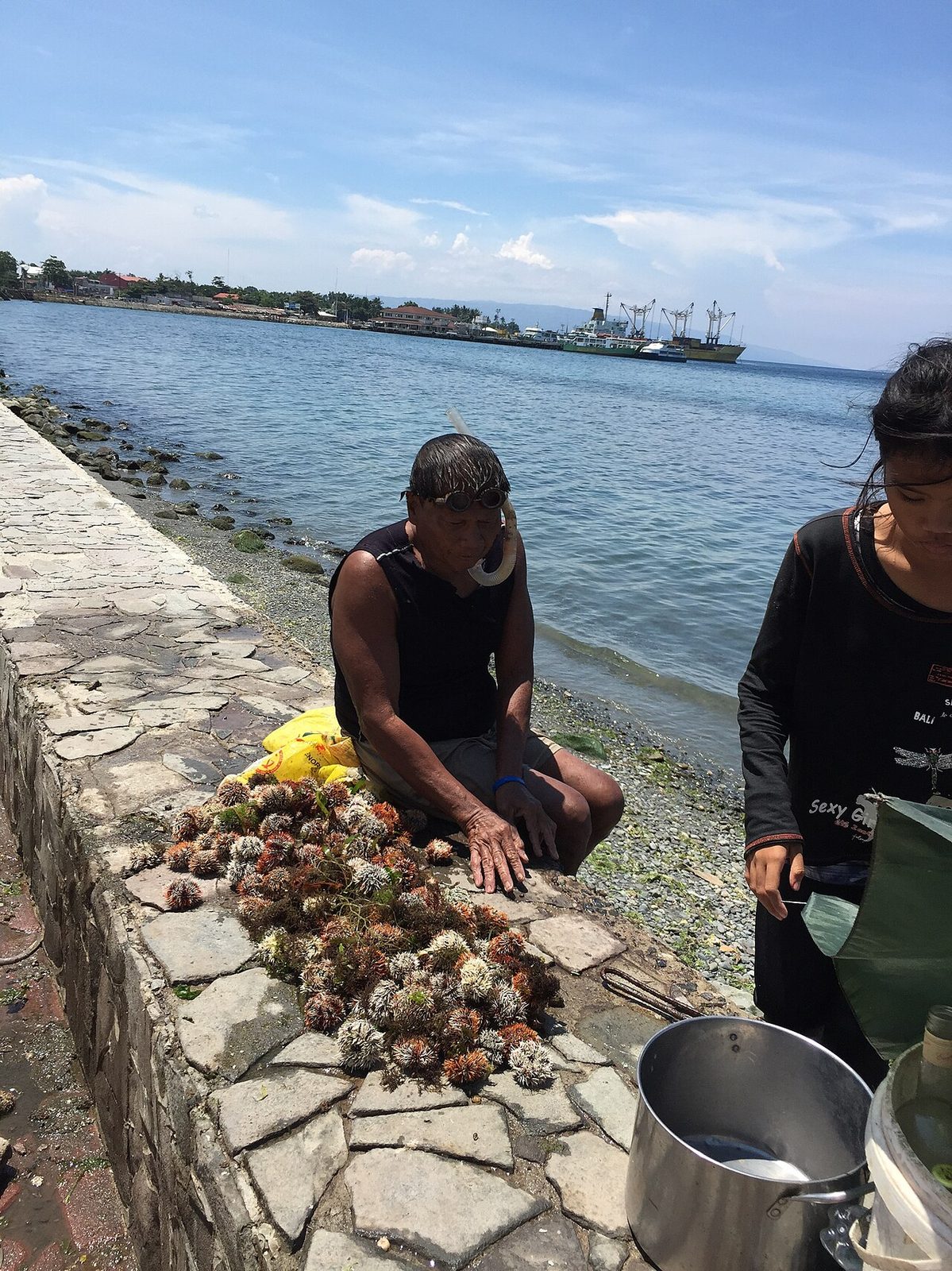
The Torah gives one test for sea creatures, stated twice: Leviticus 11:9-12 and Deuteronomy 14:9-10. A fish counts as kosher only if it has fins and scales. Those scales also have to peel off without tearing the skin underneath. Sea urchin never clears that bar. It isn’t a fish at all. It’s an echinoderm, the same broad group as starfish and sea cucumbers. Its body is a hard, globe-shaped shell called a test, and it moves on tiny tube feet instead of fins.
What people eat as uni is the sea urchin’s gonads, soft orange or yellow lobes inside the shell. Some menus call it “roe,” though it isn’t fish eggs in the halachic sense. That distinction matters less than it sounds. Kosher status runs on the fins-and-scales rule, and that rule applies to the whole animal, not to one part of it. A sea urchin has no fins anywhere on its body. It has no scales either, embedded or removable. Nothing about which part you eat changes that. Is uni kosher because it’s technically a form of roe? No. The animal it comes from was never a fish.
Jewish dietary law sorts animals into separate tracks. One rule covers land animals (a split hoof and chewing the cud). A separate list covers birds. The fins-and-scales test covers anything living in the water. Fish needs no ritual slaughter and no blessing before eating, unlike meat. Its kosher status is fixed at the species level by that one pair of features. Sea urchin was never in the running the way a borderline fish like swordfish is. The question never gets past step one: it isn’t a fish, and it has neither fins nor scales.
What the OU and cRc Say About Sea Urchin and Other Invertebrates
The fins-and-scales rule isn’t something you apply on your own from biology. A recognized authority confirms the status case by case. Every major kosher agency treats non-fish sea creatures the same way. The Orthodox Union (OU) and the Chicago Rabbinical Council (cRc) both classify sea urchin as non-kosher, right alongside shrimp, crab, lobster, clams, oysters, scallops, squid, and octopus. None of them have fins and removable scales. None of them qualify. The cRc’s published fish list includes only true fish species for exactly this reason. KosherFish’s own species entry for sea urchin reaches the same conclusion.
Swordfish carries a documented historical dispute among poskim over whether its scales count. Sea urchin doesn’t. There’s no machloket here and no split ruling between agencies to track. Is uni kosher under any recognized certification, from any hechsher? None of them treat it that way. A kosher symbol on uni or uni-topped sushi would be a labeling error, not a genuine certification. If you ever see one, flag it to the certifying agency directly rather than assume it’s correct.
Uni vs Fish Roe: The Confusion at the Sushi Counter
Uni gets lumped in with fish roe constantly. The confusion makes sense, since they often sit side by side in the same sushi case. Ikura, the large orange beads of salmon roe, and tobiko or masago, the crunchy roe from flying fish or capelin, both come from true fish with fins and removable scales. That means the roe itself can be kosher, the same way the fish’s flesh is. A packaged product still needs a hechsher, though, to confirm no non-kosher additives, dyes, or shared equipment slipped in during processing.
Real caviar is a different case, and it trips people up for the opposite reason. Traditional caviar comes from sturgeon. Sturgeon has embedded, non-removable scales, and it fails the same test sea urchin fails, just for a different biological reason. So ikura and tobiko can be kosher fish roe, but sturgeon caviar generally is not. Our is caviar kosher guide covers that case in more depth. Uni sits outside all of it. It was never fish roe to begin with. It’s an echinoderm’s reproductive organ, so it doesn’t get the benefit of the doubt ikura and tobiko get from coming from a kosher species.
Some restaurants serve a uni substitute instead, often cream or butter blended with a touch of real uni. That doesn’t clear the bar either. Any real sea urchin in the mix keeps the same ruling in place. A dairy-based substitute also raises a separate meat-and-dairy question at a fish-and-meat meal. Ask what’s actually in a dish before assuming a substitute solves the problem.
Ordering Kosher Sushi Without Uni
Skipping uni is easy. Most sushi menus lean heavily on true fish anyway. Salmon, tuna, yellowtail, and mackerel sashimi and nigiri are all built around kosher fish. Keeping kosher at a sushi restaurant takes more than picking the right fish, though. Shared knives, cutting boards, and rice vinegar can be a problem. So can other non-kosher items prepared in the same kitchen. An unsupervised sushi restaurant is rarely a fully kosher option, even when every fish on the menu would pass on its own. Our kosher sushi guide walks through what to look for, including certified restaurants and at-home options.
At home, swap in ikura or tobiko for uni. Both keep the same briny, oceanic flavor most people are chasing, and both come from kosher species. Look for a hechsher on packaged roe rather than assuming it’s fine because the fish itself is kosher. Processing and additives are exactly where a fish-based product can pick up a non-kosher ingredient.
| Sushi item | Kosher? | Why |
|---|---|---|
| Uni (sea urchin) | ❌ No | Echinoderm, no fins or scales at all (OU and cRc list it non-kosher) |
| Ikura (salmon roe) | ✅ Yes, if certified | Roe from a true fish with fins and removable scales, needs a hechsher for processing |
| Tobiko / masago (flying fish or capelin roe) | ✅ Yes, if certified | Same fins-and-scales test as ikura, check for added dye or flavoring |
| Caviar (sturgeon roe) | ❌ Generally no | Sturgeon has embedded, non-removable scales and fails the test itself |
| Ebi (shrimp) | ❌ No | Crustacean, no fins or scales of any kind |
| Unagi (eel) | ❌ No | Lacks true removable scales under most agencies’ rulings |
| Salmon or tuna sashimi | ✅ Yes, if certified | True fish with fins and easily removable scales, still needs supervised prep |
Check Any Fish with KosherFish
Is uni kosher? That one settles cleanly as a no. But a sushi case rarely stops at one item. Wondering about the roe next to it, or the fish two trays over? The KosherFish tool lets you look up any of the 291 species on the full kosher fish list, or search a name directly on the KosherFish homepage. Want the answer without pulling out your phone at the sushi counter? The iOS app and the Android app put the same lookup in your pocket.
Frequently Asked Questions
Is uni kosher?
No, uni is not kosher. It’s sea urchin roe, and the sea urchin is an echinoderm with no fins and no scales. That fails the Torah’s test in Leviticus 11:9-12 and Deuteronomy 14:9-10. The Orthodox Union and the Chicago Rabbinical Council both classify sea urchin as non-kosher, in the same category as shellfish and squid.
Why isn’t sea urchin kosher if part of it is called roe?
The fins-and-scales rule judges the whole animal, not the edible part. Uni is the sea urchin’s gonads. But the sea urchin itself is an invertebrate with no fins or scales anywhere on its body, so it fails the kosher test regardless of what the edible part is called.
Is ikura (salmon roe) or tobiko kosher, unlike uni?
Yes, ikura and tobiko can be kosher. They come from salmon and flying fish, both true fish with fins and removable scales. A packaged product still needs a hechsher, though, to confirm the processing, any added color, and the equipment didn’t introduce a non-kosher ingredient.
Is caviar kosher the way ikura is?
Generally, no. Traditional caviar comes from sturgeon, and sturgeon has embedded, non-removable scales. That fails the same fins-and-scales test sea urchin fails, for a different biological reason. Salmon roe and flying fish roe don’t share that problem, since their source fish do have valid scales.
Can uni ever be certified kosher?
No. A hechsher confirms an already-kosher ingredient was processed to kosher standards. It can’t make a non-kosher animal kosher. Sea urchin fails the fins-and-scales test at the species level, so no agency, including the OU or the cRc, would ever put a kosher symbol on real uni.
What should I order at a sushi restaurant instead of uni?
Ikura or tobiko gives a similar briny, ocean-forward flavor, and both come from kosher fish species. Salmon, tuna, and yellowtail nigiri are other reliable swaps. Keep in mind an unsupervised sushi restaurant can still raise separate kosher concerns, like shared knives and cutting boards.
Are all invertebrates like sea urchin, squid, and shellfish non-kosher?
Yes. Sea urchin, squid, octopus, shrimp, crab, lobster, clams, oysters, and scallops are all non-kosher. None of them have true fins or removable scales under Leviticus 11:9-12. The Orthodox Union and the Chicago Rabbinical Council treat this as settled, with no contested cases among any of them.
The Bottom Line
Uni is not kosher. Sea urchin is an echinoderm, not a fish, and it has no fins or scales. It fails the Torah’s kosher test the same way shellfish and squid do, with no dispute among the major kosher authorities. Ikura and tobiko are the closer kosher swaps at a sushi counter. True caviar from sturgeon carries its own separate non-kosher ruling. Look up uni, ikura, sturgeon, or any of the other 291 species on the kosher fish list, browse the sea urchin species page, or search a name on the KosherFish homepage. For the rule behind all of this, read what makes a fish kosher. For the full sushi-night rundown, see the kosher sushi guide. Grab the iOS app or the Android app to check any fish on the go.