
Yes, the croaker fish kosher answer is a clean one. It has fins and small, easily removable scales, the two signs the Torah requires in Leviticus 11:9-12, and Chabad.org’s kosher fish list names the entire drum and croaker family, Sciaenidae, as kosher. If you caught one, bought one, or saw one on a menu and want the short croaker fish kosher verdict, that’s it. Here’s the full picture, plus a way to look up any other fish in seconds.
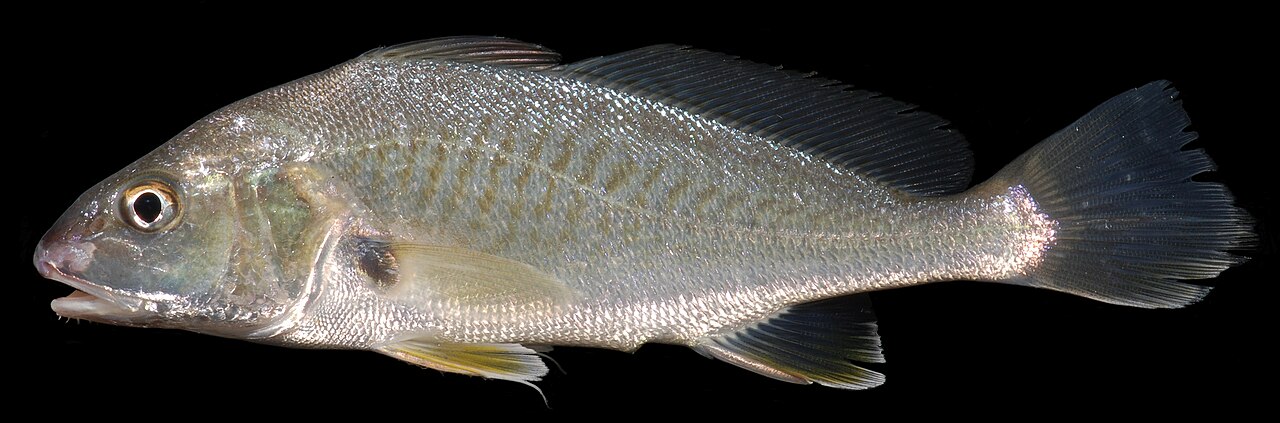
Why Croaker Is Kosher
A fish is kosher only when it has fins and scales of the kind that lift off without tearing the skin, the rule set out in Leviticus 11:9-12 and repeated in Deuteronomy 14:9-10. Atlantic croaker (Micropogonias undulatus), the most common species people mean, belongs to Sciaenidae, the drum and croaker family. Small, tightly overlapping cycloid scales cover its body and come off cleanly with a scaler or the dull edge of a knife. That’s the valid, removable kind of scale Jewish law requires, the opposite of the embedded ganoid plates on a sturgeon or the sandpaper-rough placoid denticles on a shark, neither type lifts off at all. That single test is what settles the croaker fish kosher question before anything else about the species matters.
The fins matter too: a dorsal fin, a caudal fin, and the paired pectoral and pelvic fins typical of a bony fish. Between the fins and the scales, croaker checks both boxes cleanly, and no major kosher authority disputes the family’s status. Atlantic croaker runs small and grows fast, typically a foot or less and under two pounds, part of why the croaker fish kosher case comes up so often at mid-Atlantic and Gulf Coast fish counters from spring through fall.
What the Kosher Authorities Say
The Orthodox Union states the general standard plainly: a kosher fish needs kaskeset, the Torah’s word for scales, and those scales “must be easily removed by hand or with a knife without tearing skin to be kosher.” Croaker’s cycloid scales meet that test without ambiguity.
Chabad.org’s kosher fish list, a rabbinically compiled reference used alongside the OU and cRc lists, names the drum and croaker family directly as kosher and lists several species by name: the white or king croaker (Genyonemus lineatus), the black croaker, the spotfin croaker, and the yellowfin croaker (Umbrina roncador), on top of the Atlantic croaker most people mean when they ask the question. KosherFish.co’s own drums and croakers entry and species page reflect that same listing. There’s no genuine machloket on this species, unlike sturgeon or swordfish, so you can treat the ruling as settled. Checking your own hechsher’s fish list is still worth doing, since presentation varies agency to agency even when the underlying ruling agrees. That listing is what settles the croaker fish kosher status for the Atlantic croaker and its named relatives alike.
Croaker’s Other Names, and Why It’s Called That
The name is earned honestly, since croaker is one of the loudest members of the drum family, vibrating special muscles against its swim bladder to make a drumming or croaking sound, especially during spawning season. Around the Chesapeake Bay and the mid-Atlantic coast, anglers and seafood counters often call it “hardhead,” a nod to the bony ridges on its skull, with smaller fish sometimes called “pin heads.” None of these names point to a different species. They’re all the same kosher fish under a regional nickname.
Plenty of kosher relatives share croaker’s family tree. Weakfish, also called sea trout or corvina, kingfish, or king whiting, and red drum are all Sciaenidae members that pass the same fins-and-scales test. On the West Coast, white croaker is sometimes sold as Pacific croaker, and California corbina, another drum-family regular, shows up under its own name along the same beaches. If a recipe or a market swaps one for another, the kosher status carries across the family, even though the flavor and size differ.
Where Croaker Fits Among Kosher Fish
The drum and croaker family is one branch on a much wider tree of kosher species built the same way: fins, plus scales that lift off cleanly. Striped bass, temperate bass, and black sea bass all pass the same test, each name covering several closely related species within its own family. Snapper, halibut, and sole check out too, flatfish included, even though halibut and sole lie flat on the sea floor and look nothing like a croaker. Salmon, pike, perch, and tilapia cover the freshwater side of the same rule, alongside cod and herring on the everyday saltwater side. Pomfret, turbot, and porgies round out the list from other regions and other family trees, all landing on the kosher side of the ledger for the identical reason: visible fins and scales you can lift with a knife.
Not every fish clears that bar. European eels have no true scales at all, which puts them in the same non-kosher category as sturgeon, shark, and catfish. Fins plus scales that lift off cleanly is a strong, quick check at the fish counter, and croaker is a clean, well-documented example of that rule working exactly as written.
Does Croaker Need Kosher Certification?
Fresh croaker sold whole, with its skin and scales intact, doesn’t need a hechsher. You can see the fins and the scales yourself, and that visual check satisfies Jewish law. Skin-on fillets work the same way, as long as some scale patches are still visible and you trust the seller’s species label.
Processing changes the picture. Once a processor breads, cans, smokes, or pre-seasons croaker, you can no longer verify the species by sight, and the equipment or seasoning blend may not be kosher even when the fish itself is. Our guide on when fish needs a hechsher covers the distinction in more depth.
- Whole fish or skin-on fillets: no certification needed, the scales confirm the species
- Breaded, canned, or smoked croaker: needs certification, since the species and equipment can no longer be verified once it is processed
- Restaurant or prepared croaker dishes: needs certification, because shared pans, breading, and sauces can introduce non-kosher ingredients
The table below sums up the croaker fish kosher verdict next to its closest look-alikes.
| Fish | Kosher? | Why |
|---|---|---|
| Croaker (Micropogonias undulatus) | ✅ Yes | Fins and removable cycloid scales, named on Chabad’s kosher fish list |
| Weakfish / Sea trout | ✅ Yes | Same Sciaenidae family, same removable scale type |
| Kingfish / King whiting | ✅ Yes | Same family, fins and removable scales |
| Sturgeon | ❌ No | Ganoid scales are embedded and cannot be removed without tearing the skin |
| Imitation crab | ⚠️ Check | Usually made from kosher fish like pollock, but needs a hechsher to confirm the ingredients |
Buying and Cooking Croaker
Size stays modest, usually under a pound and a half, with mild, sweet, white flesh that holds together well in a pan. Southern and mid-Atlantic kitchens treat it as a staple, typically scaled, gutted, and pan-fried or fried whole with a light cornmeal dredge. Because it’s small and bony, whole croaker rewards a hot pan and a short cook time rather than a slow braise.
Buying it whole and skin-on is also the easiest way to confirm the croaker fish kosher status yourself instead of relying on a fish counter label, especially since “croaker” covers several closely related species sold under the same name. Look for firm flesh, clear eyes, and skin that still shows its scales, the same checks that matter for any fresh fish, kosher or not.
Croaker for Kosher Meals
Neither meat nor dairy, croaker is pareve, so the croaker fish kosher status carries over cleanly to a dairy meal under the basic kosher rules. A custom in many communities is to avoid eating fish and meat on the same plate or with shared utensils, so plan the courses accordingly if you’re serving it at a meat meal. For more seasonal ideas built around kosher fish, see our guide to the best kosher fish for Shabbat dinner.
Check Any Fish with KosherFish
Croaker settles one question, but the fish counter keeps raising new ones. Look up croaker and 290+ other species on the KosherFish homepage, or scan the full kosher fish list before you buy. Download the KosherFish app for the same lookup from your phone, at the market or the dock, on iOS and Android.
Frequently Asked Questions
Is croaker kosher?
Yes, croaker has fins and small cycloid scales that lift off without tearing the skin, the standard Leviticus 11:9-12 sets. Chabad.org’s kosher fish list names the whole drum and croaker family, Sciaenidae, as kosher, and there’s no real dispute on the species. That’s the full croaker fish kosher answer, with no exceptions to watch for.
What family of fish is croaker?
Croaker belongs to Sciaenidae, the drum and croaker family, which also includes weakfish, kingfish, and red drum. Every member of the family that keeps the standard fins and removable scales passes the same kosher test croaker does.
Why is croaker also called hardhead?
Hardhead is a regional nickname for Atlantic croaker, common around the Chesapeake Bay, that points to the bony ridges on its skull. Smaller croaker are sometimes called pin heads. Both names refer to the same kosher species, not a different fish.
Does croaker need kosher certification?
Fresh croaker sold whole, with the skin and scales attached, doesn’t need a hechsher, since you can verify the species yourself by sight. Breaded, canned, or otherwise processed croaker does need certification, because the scales are gone and the processing itself may not be kosher.
Is croaker pareve?
Yes, like all kosher fish, croaker is pareve, counting as neither meat nor dairy, so you can serve it alongside dairy dishes under the basic kosher rules. Many communities still keep a custom against eating fish and meat on the same plate, so check your own practice before a meat meal.
Why does croaker make a sound?
Special muscles vibrating against its swim bladder produce the sound, working like a drum and giving the whole family its name. It ranks among the loudest members of that family, especially during spawning season. The sound has no bearing on its kosher status.
The Bottom Line
For anyone still asking about the croaker fish kosher status, the answer is yes. It has fins and removable cycloid scales, the standard Leviticus 11:9-12 sets, and Chabad.org’s kosher fish list names the drum and croaker family directly. Buy it whole or skin-on to confirm the scales yourself, and look for real certification once it’s breaded, canned, or otherwise processed. Your own rabbi or a reliable hechsher has the final word on anything genuinely in doubt.
Check croaker or any of the other 290+ species on the full kosher fish list, visit the croaker species page directly, or use the homepage lookup tool for your next question. For the rule behind every one of these verdicts, see what makes a fish kosher, or browse the most common kosher fish. To keep the answer with you at the store, download the KosherFish app on iOS or Android.