
Drum fish is kosher. Red drum, black drum, and freshwater drum all belong to Sciaenidae, the drum and croaker family, and every member of that family carries the fins and the removable scales the Torah requires. If you saw drum on a menu, caught one off a Gulf Coast pier, or want to check before you buy, that’s the short answer. You can look up drum or any of 290+ other species in seconds if you want to confirm a specific catch.
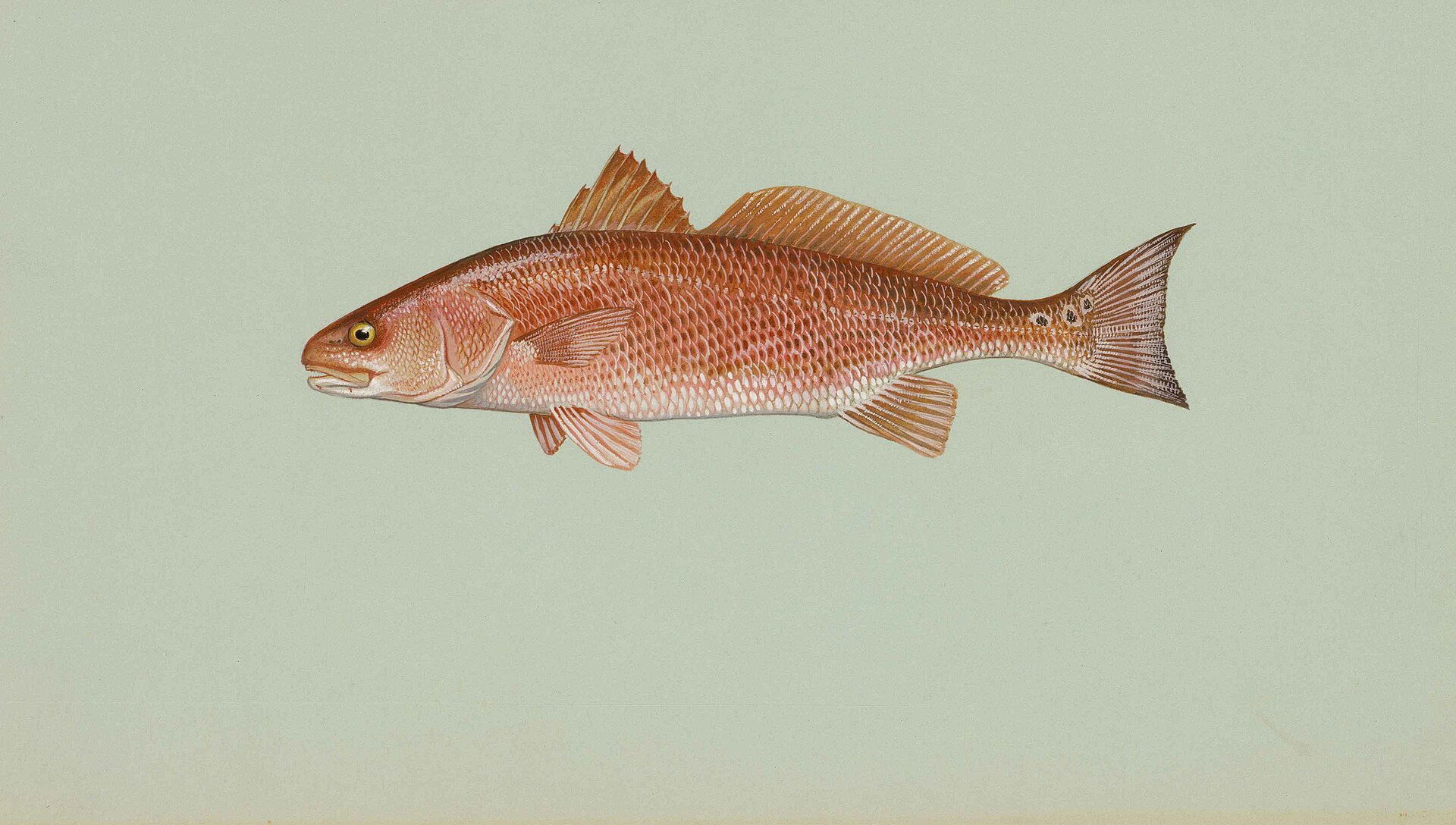
Why Drum Fish Is Kosher
The drum fish kosher answer comes down to two things every kosher fish needs: fins, and scales of the kind that lift off without tearing the skin, the standard set out in Leviticus 11:9-12 and repeated in Deuteronomy 14:9-10. Drum fish, the common name for the Sciaenidae family, carry standard ctenoid scales, small and firmly overlapping, that come off cleanly with a scaler or the back edge of a knife. That’s the valid, halachically removable kind, nothing like the embedded ganoid plates on a sturgeon or a gar, which stay fused to the skin no matter how hard you scrape.
The fins check out too. Red drum, black drum, and freshwater drum all carry the dorsal, caudal, and paired pectoral and pelvic fins typical of a bony fish. Between the fins and the scales, drum fish clears both parts of the test cleanly, and no major kosher authority disputes the family’s status. That’s also why croaker, drum’s closest relative and frequent counter-mate at the fish market, gets the same yes.
Which Drum Fish Are We Talking About?
“Drum” isn’t one fish. It’s a family name covering several species that get lumped together at the seafood counter because they all make the same low drumming sound with muscles vibrating against the swim bladder, most of it during spawning season. The three you’ll actually run into:
- Red drum (Sciaenops ocellatus), also sold as redfish, known by the dark marking near its tail. It’s the fish behind blackened redfish, and a small one is often called a “puppy drum.”
- Black drum (Pogonias cromis), a heavier-bodied cousin with chin barbels it uses to feel for shellfish on the bottom. Small black drum eat like red drum, large ones (past 15 pounds or so) turn coarse and are more often smoked or used in stews.
- Freshwater drum (Aplodinotus grunniens), the only drum family member that lives its whole life in rivers and lakes rather than the coast, common through the Mississippi and Great Lakes watersheds.
All three carry the same fins-and-scales profile, so all three land on the kosher side of the rule. The species doesn’t change the verdict, only the name on the label does.
What the Kosher Authorities Say
The Orthodox Union states the general standard plainly: a kosher fish needs kaskeset, the Torah’s word for scales, and those scales “must be easily removed by hand or with a knife without tearing skin to be kosher.” Drum fish’s ctenoid scales meet that test without ambiguity, the same way croaker’s do.
Chabad.org’s kosher fish list, a rabbinically compiled reference used alongside the OU and cRc lists, names the drum and croaker family, Sciaenidae, directly as kosher. KosherFish’s own kosher fish list lists “Drum” as kosher in both freshwater and saltwater. It notes the same fish sells as croaker, seatrout, corvina, weakfish, red drum, and kingfish. The drums and croakers species entry extends that ruling to every genus in Sciaenidae, Pogonias included, the genus that covers black drum. No genuine machloket touches this family, unlike sturgeon or swordfish, so the drum fish kosher question can be treated as settled. Checking your own hechsher’s fish list is still worth doing, since presentation varies agency to agency even when the underlying ruling agrees.
Market Names and Look-Alikes to Know
Regional nicknames pile up around freshwater drum: gaspergou (or just “gou” around Louisiana), grunt, grinnel, and in parts of the Great Lakes, “sheepshead.” That last one is worth pausing on. The ocean fish properly called sheepshead (Archosargus probatocephalus, a porgy with the same fins-and-scales profile) is a different species entirely. Both happen to be kosher, so a shopper who mixes up the two names still ends up with a kosher fish. The confusion still matters for accuracy, and it’s worth knowing which one is actually on ice in front of you.
Confusion between red drum and black drum comes up more than with anything outside the family, since both show up under “redfish” in some markets regardless of which species it actually is. Neither mix-up changes the drum fish kosher answer, since both species pass the same test. Market names matter more when a completely different, non-kosher fish borrows a similar-sounding name, the kind of trap covered in what makes a fish kosher.
Does Drum Fish Need Kosher Certification?
Fresh drum sold whole, with the skin and scales intact, doesn’t need a hechsher. The scales are the proof, and seeing them yourself is enough to confirm drum fish kosher status on the spot. Skin-on fillets work the same way, as long as scale patches are still visible and you trust the counter’s species label.
Processing changes that. Breaded for a fish fry, smoked, canned, or blackened with a pre-made seasoning blend at a restaurant, drum can no longer be verified by sight. The equipment or seasoning may not be kosher even when the fish itself is. Our guide on when fish needs a hechsher covers the distinction in more depth.
- Whole fish or skin-on fillets: no certification needed. The scales confirm the species.
- Breaded, blackened, smoked, or canned drum: needs certification. The species and equipment can no longer be verified once processed.
- Restaurant drum dishes: needs certification. Shared fryers, breading, and sauces can introduce non-kosher ingredients.
Where Drum Fish Fits Among Kosher Species
Sciaenidae is one branch on a much wider tree of kosher species built on the identical rule under Jewish law: fins, plus scales, cycloid or ctenoid, that lift off cleanly. Redfish and the rest of the drum family, common along the Atlantic and Gulf coasts, sit alongside haddock, tuna, and turbot on the coasts, and freshwater relatives like perch and pike on the rivers and lakes side. Salmon, trout, and tilapia cover the everyday farmed side of the same rule, and cod, halibut, and sole round it out among the flatfish and groundfish, even though a flounder looks nothing like a drum swimming past it. Rockfish works the same way drum does, one common market name covering a long list of related, individually kosher species. It’s a useful contrast with a fish like uni, which fails the test outright since sea urchin has no fins or scales at all.
Not every fish, or every sea creature, clears the bar. Sturgeon, shark, and catfish all fail it for the same reason drum passes, their scales are either embedded, absent, or the wrong halachic type. Eel has no true scales at all, and shrimp, lobster, crab, and other shellfish fail a different way, since they have no fins or scales to begin with. Fins plus scales that lift off cleanly is a fast, reliable check at the fish counter, and drum fish kosher status is a clean, commonly cited example of the rule working exactly as written.
| Fish | Kosher? | Why |
|---|---|---|
| Red drum / redfish (Sciaenops ocellatus) | ✅ Yes | Fins and removable ctenoid scales, named on Chabad’s kosher fish list. |
| Black drum (Pogonias cromis) | ✅ Yes | Same family, same scale type, larger and coarser at size. |
| Freshwater drum (Aplodinotus grunniens) | ✅ Yes | Same Sciaenidae family, sometimes sold as “sheepshead” in the Great Lakes region. |
| Croaker | ✅ Yes | Drum’s closest relative, same family and scale type. |
| Sturgeon | ❌ No | Ganoid scales are embedded and cannot be removed without tearing the skin. |
Buying and Cooking Drum Fish
Size drives the kitchen decision more than species does. A “puppy drum,” a red drum under about five pounds, has firm, white, mild flesh that takes well to a hot pan or a blackening crust. Large black drum, past 15 or 20 pounds, gets tougher and often carries small parasitic worms that are harmless once cooked but off-putting to see, so most cooks reserve big ones for stews, chowder, or smoking rather than a quick sear. Milder and flakier, freshwater drum shows up most in Midwestern and Southern kitchens fried or blackened.
Buying whole and skin-on is the simplest way to check drum fish kosher status for yourself rather than trust a counter label, especially since “drum” and “redfish” both cover more than one species. Look for firm flesh, clear eyes, and skin that still shows its scales, the same checks that apply to any fresh fish.
Drum Fish for Kosher Meals
Drum fish is pareve, neither meat nor dairy, so it fits comfortably alongside a dairy meal under the basic kosher rules. A custom in many communities is to avoid eating fish and meat on the same plate or with shared utensils, so plan the courses accordingly if you’re serving it at a meat meal. A whole cooked drum also works for the whole-fish customs some families keep at Rosh Hashanah, standing in for the more traditional carp or whitefish where it’s easier to find fresh, and it’s one more everyday case where drum fish kosher status matters at the table, not just at the counter.
Check Any Fish with KosherFish
That settles drum fish kosher status, but the fish counter keeps raising new ones. Look up drum and 290+ other species on the KosherFish homepage, or scan the full kosher fish list before you buy. Download the KosherFish app for the same lookup from your phone, at the market or the dock, on iOS and Android.
Frequently Asked Questions
Is drum fish kosher?
Yes, the drum fish kosher verdict is clean. Drum, the common name for the Sciaenidae family, has fins and removable ctenoid scales, the standard Leviticus 11:9-12 sets. The Orthodox Union’s kosher fish list, reprinted on Chabad.org, names the drum and croaker family directly as kosher, and no major authority disputes it.
Is red drum the same as black drum?
No, they’re related but separate species. Red drum (Sciaenops ocellatus) has a dark marking near its tail and is often sold as redfish. Black drum (Pogonias cromis) is heavier-bodied with chin barbels. Both belong to Sciaenidae and both are kosher for the same reason, fins plus removable scales.
Is freshwater drum the same fish as sheepshead?
Not exactly. Freshwater drum (Aplodinotus grunniens) picks up the nickname sheepshead in parts of the Great Lakes region, but the ocean fish properly called sheepshead (Archosargus probatocephalus) is a different species. Both are kosher, so the name mix-up doesn’t change the answer, but they’re not the same fish.
Does drum fish need kosher certification?
Fresh drum sold whole or as skin-on fillets doesn’t need a hechsher, since you can confirm the scales yourself. Breaded, blackened at a restaurant, smoked, or canned drum needs certification, because the species can no longer be verified once processed and the equipment or seasoning may not be kosher.
Why is it called drum fish?
Drum fish vibrate special muscles against their swim bladder to make a low drumming or croaking sound, especially during spawning season. The whole Sciaenidae family, including croaker, gets its common names from that sound. It has no bearing on kosher status either way.
Is drum fish pareve?
Yes. Like all kosher fish, drum is pareve, counting as neither meat nor dairy, so it can be served alongside dairy dishes under the basic kosher rules. Many communities keep a custom against eating fish and meat on the same plate, so check your own practice before a meat meal.
The Bottom Line
The drum fish kosher answer stays yes for anyone still checking, whether it’s red drum, black drum, or freshwater drum on the ice in front of you. All three carry fins and removable ctenoid scales, the standard Leviticus 11:9-12 sets, and Chabad’s kosher fish list names the family directly. Buy it whole or skin-on to confirm the scales yourself, and look for real certification once it’s breaded, blackened, or otherwise processed. Your own rabbi or a reliable hechsher has the final word on anything genuinely in doubt.
Check drum or any of the other 290+ species on the full kosher fish list, visit the drums and croakers species page directly, or use the homepage lookup tool for your next question. For the rule behind every one of these verdicts, see what makes a fish kosher, or browse the most common kosher fish. To keep the answer with you at the store, download the KosherFish app on iOS or Android.